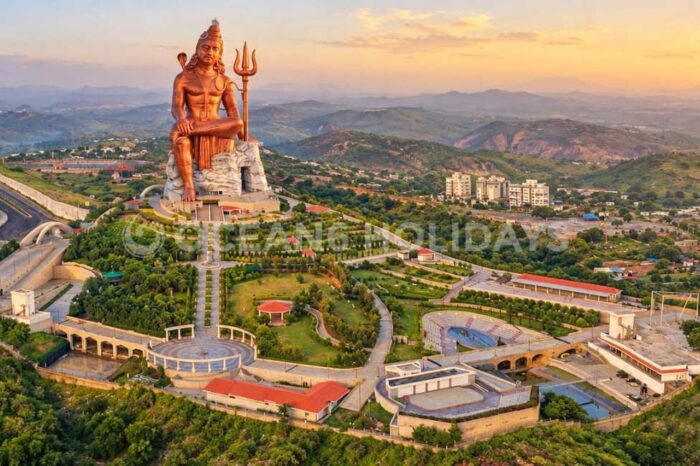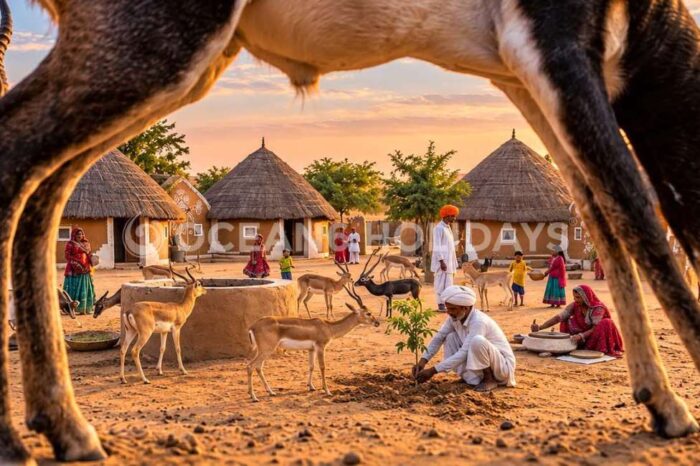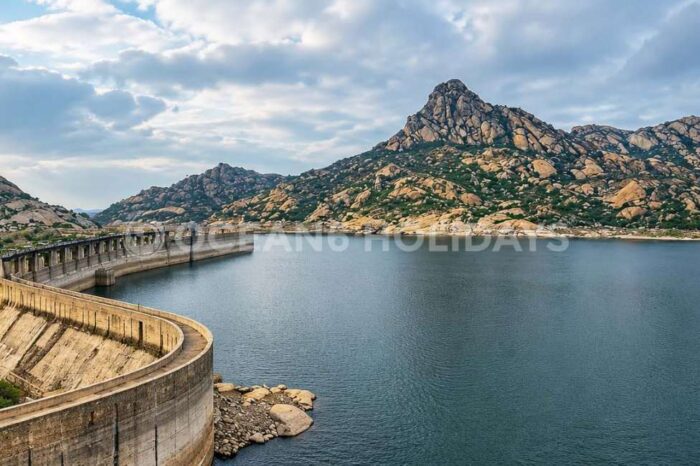
Lake, Hills, Wildlife, Blackbuck, Chinkara, carpet weaving & Singhasni
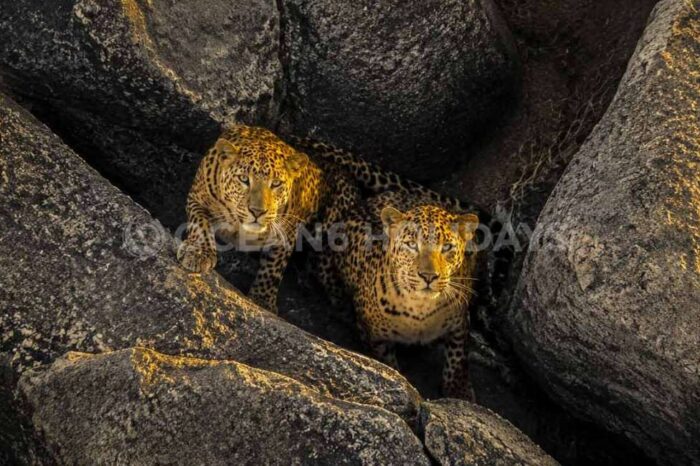
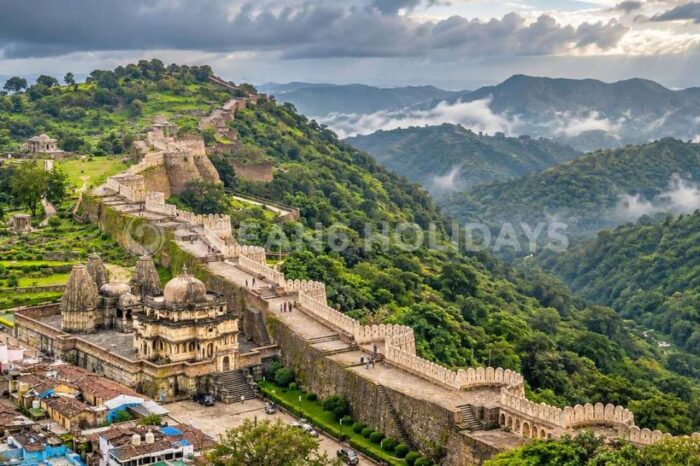
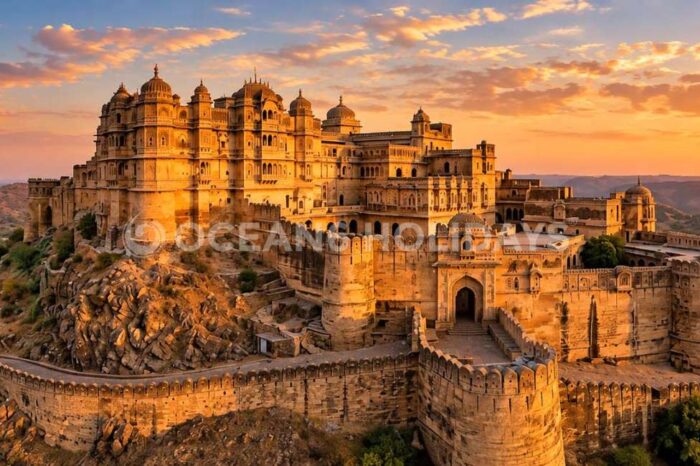
Hills, Birdlife, Forts, Wildlife, Historic Forests & Jeep Safaris
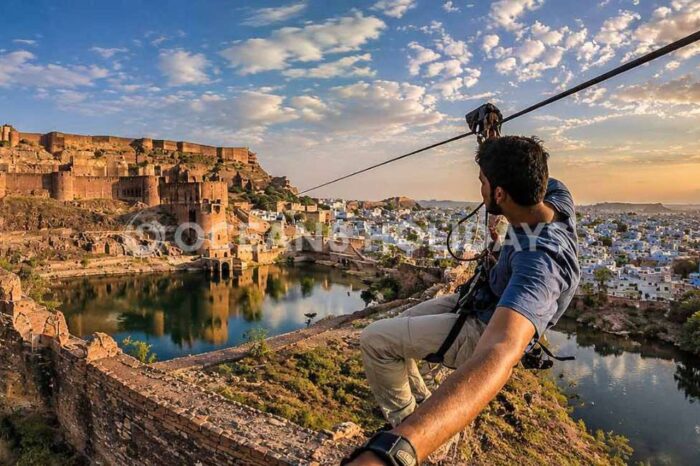
Leopard Safari, Hills, Lakes, Birdlife, Crocodile Spotting, Museum, Deco Design
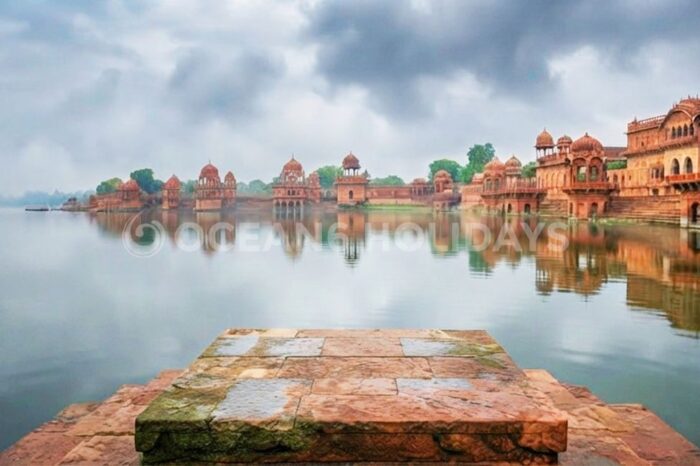
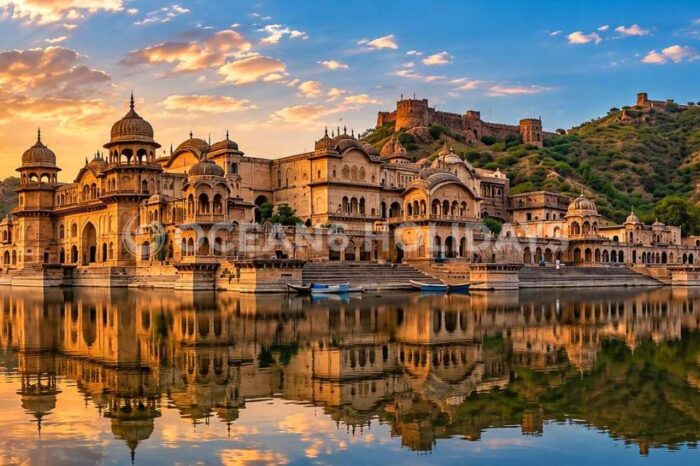
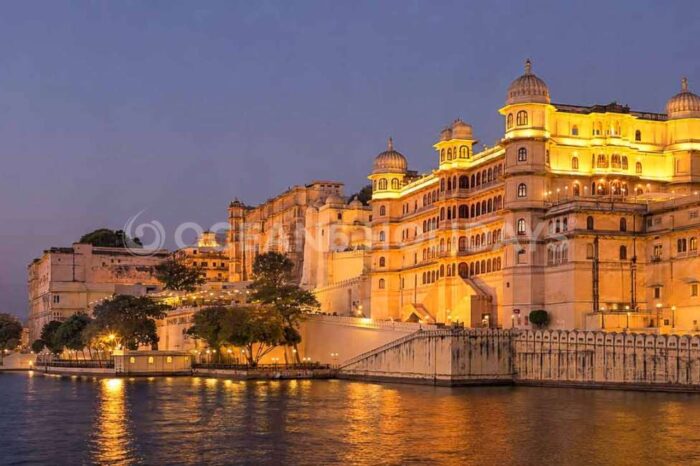
Lake, Haveli, Fort, Wildlife, Dharohar Show, Painting Stalls, Marble Ghats
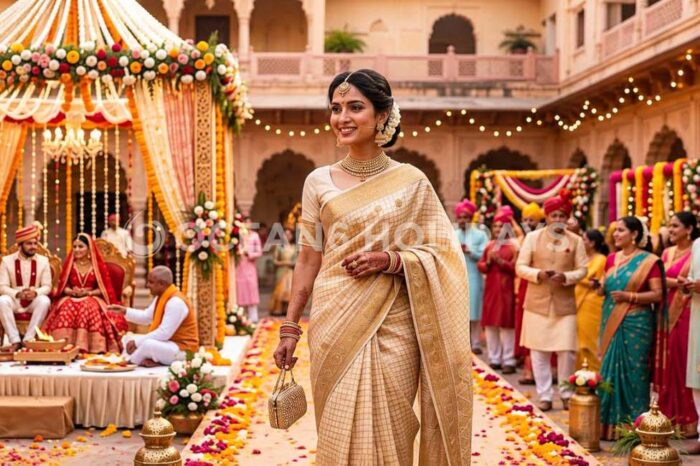
Haveli, Bari, Dams, Hills, Forts, Leopard Safari & Village Visit
Offbeat Rajasthan Tours The Rajasthan most itineraries skip – and who it’s actually for Most people arrive in Rajasthan through the same door: Jaipur, Jodhpur, Udaipur, Jaisalmer. Four cities, one photograph everyone already owns before they land. That circuit exists […]
Most people arrive in Rajasthan through the same door: Jaipur, Jodhpur, Udaipur, Jaisalmer. Four cities, one photograph everyone already owns before they land. That circuit exists for a reason – it’s genuinely magnificent – but it’s also the most crowded, most-priced, most-predictable version of a state that is far larger and far stranger than its postcards.
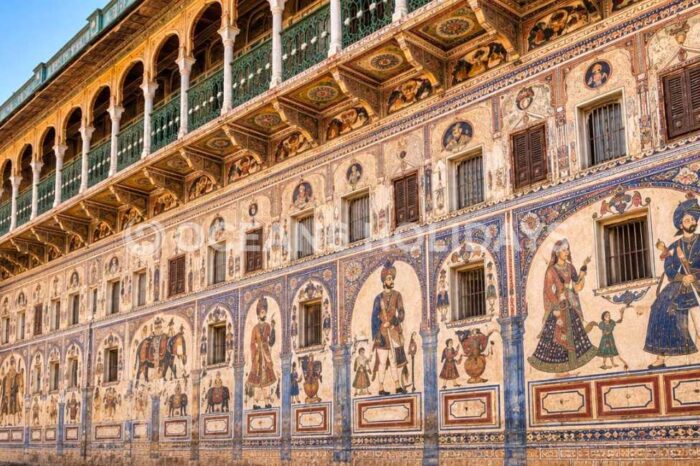
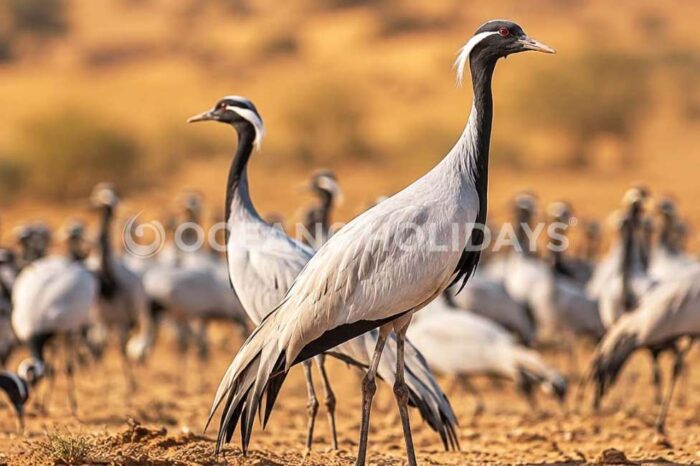
Offbeat Rajasthan is the rest of it. The painted merchant towns of Shekhawati, where an open-air gallery of frescoes sits mostly unvisited. The leopards of Jawai that sleep on granite hills above villages that have never hunted them. Ten thousand cranes descending on a Thar Desert village each winter. Weavers in Kota tying zari by hand into saris that take days per metre. These are not lesser destinations. They are simply the ones the standard package has no room for.
This page exists to help you choose well. Below, we’ve grouped our offbeat Rajasthan tours by what they’re really for – wildlife, craft and textile, heritage and painted towns, and desert and village life – with an honest note on who each suits and who it doesn’t. Rajasthan is not a single trip. It’s a wardrobe of very different holidays wearing the same name.
A word before you scroll: offbeat does not mean rough. Most of these routes use heritage hotels, restored havelis, and tented camps with proper beds and plumbing. It does mean fewer crowds, more driving between places, and experiences that reward curiosity over box-ticking. If that sounds right, read on. If you want maximum sights in minimum days, the classic Golden Triangle may serve you better – and we’ll tell you so honestly.
Rajasthan runs on a simple calendar. October to March is the season – daytime temperatures that let you walk a fort at noon, and the window when desert birds, safaris, and festivals all align. April to June is fierce heat, above 40°C, thin on wildlife and hard on comfort, though it does bring lower rates and near-empty sites for travellers who genuinely don’t mind the sun. July to September is the monsoon – greener, cheaper, atmospheric around the lakes of Udaipur and Deogarh, but unreliable for safaris and birding.
The trade-off that defines offbeat Rajasthan is distance. These places are spread out, and the roads between them are the experience as much as the destinations. A Jawai-and-Jodhpur pairing means real hours in the car. We build our routes to minimise backtracking and avoid the exhausting “two long drives in one day” mistake – but if long transfers wear you down, tell your advisor upfront. It changes which tour we’d recommend.
Think of the classic circuit as a highway and offbeat Rajasthan as the side roads. The highway is faster. The side roads are where the state actually lives.
Rajasthan’s wildlife is its most underrated asset – and the one area where the offbeat routes clearly beat the famous ones.
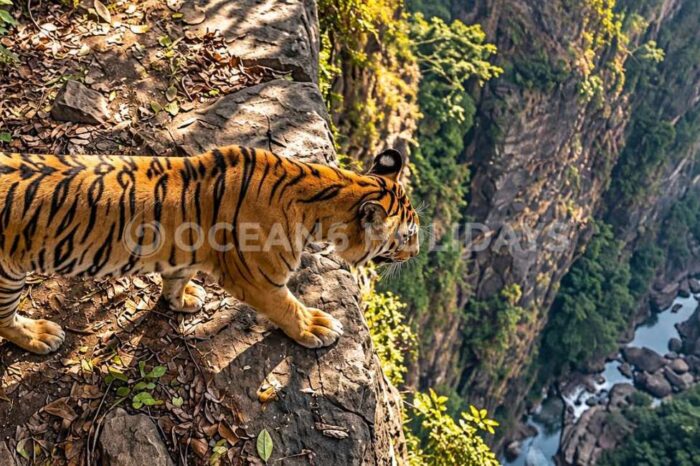
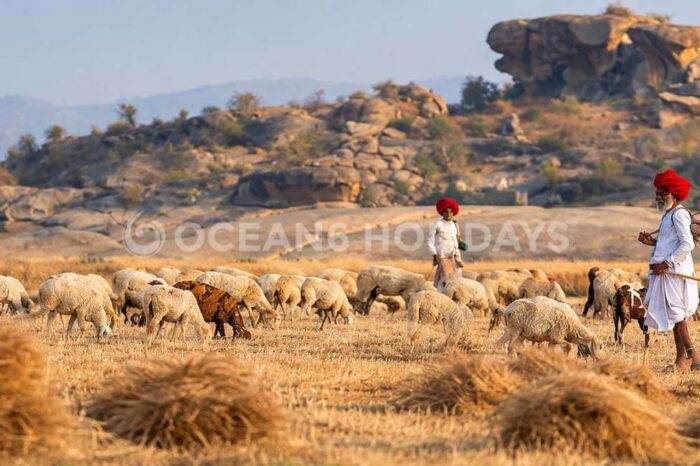
Jawai is the quiet triumph of Rajasthan wildlife. Leopards live openly among ancient granite hills and share the landscape with Rabari herders who don’t fear them – a rare human-predator coexistence you won’t see elsewhere in India. Sighting rates are high because the terrain is open and the cats den in known caves. Why it fits: better leopard odds than most tiger parks give you for tigers, in far smaller crowds. The trade-off: it’s a single-theme destination – you come for the cats and the landscape, not for monuments. Who it suits: photographers, wildlife-first travellers, couples wanting stillness. Who it may not: anyone expecting forts and shopping between drives. Choose the 2N/3D for a focused first taste; the 3N/4D if you want extra safari drives to improve your odds and unwind properly.
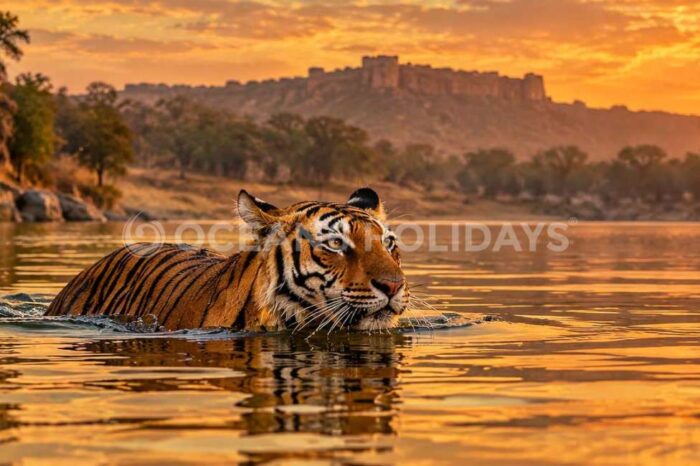
Sariska is the closer, quieter tiger reserve – reachable from Delhi, wrapped around the Kankwari Fort, and far less booked than Ranthambore. Tiger sightings here are genuinely offbeat: harder to guarantee, but the reward is a forest you may share with almost no one. The 4N/5D pairs it with Ranthambore, where sighting probability rises sharply and the ruined fort inside the park is a destination in its own right. The honest trade-off on all tiger safaris: no sighting is ever guaranteed – we will never promise you a tiger. What we can promise is well-timed drives and good zones. Who the pairing suits: travellers who want the best realistic tiger odds and don’t mind more driving. Who Sariska-alone suits: those short on time near Delhi who value solitude over certainty.
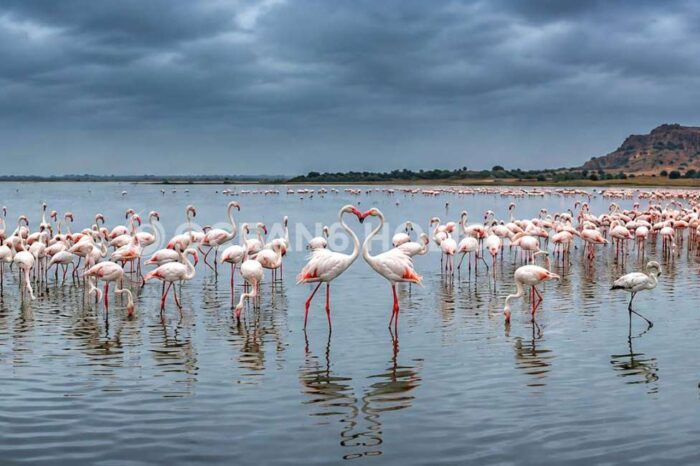
Each winter, thousands of Demoiselle cranes descend on the desert village of Khichan, fed and protected by the local Jain community – one of the great wildlife gatherings in India, and almost unknown to mainstream tourism. Why it fits: a genuinely rare spectacle plus the atmospheric old town of Phalodi and its havelis. The trade-off: it’s strictly seasonal – roughly late August to March, peaking in winter. Come in summer and there are no cranes. Who it suits: birders, photographers, unhurried travellers. Who it may not: anyone travelling outside the crane window, or expecting fast-paced sightseeing.
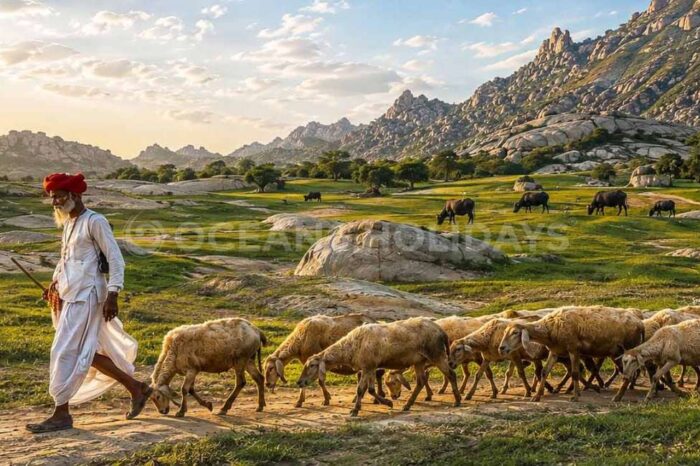
The Bishnoi villages near Jodhpur offer the counterpoint to a safari: a community famous for protecting blackbuck and chinkara for centuries, alongside carpet weavers and desert crafts. It’s short, humane, and grounding. The multi-destination pairings are for travellers who want both – the leopards of Jawai and the culture of a heritage city, without choosing. Why they fit: they solve the single-theme limitation of a wildlife-only trip. The trade-off: more ground to cover means more time in transit – the 6N/7D especially is a three-base route. Who they suit: travellers who want a complete, varied Rajasthan and have the days for it. The 4N/5D pairings are the sweet spot – enough range, without the fatigue of the full seven-day loop.
If you buy one thing in Rajasthan, buy it where it’s made – and understand what your money is keeping alive. These tours are built around living craft, not shopping.
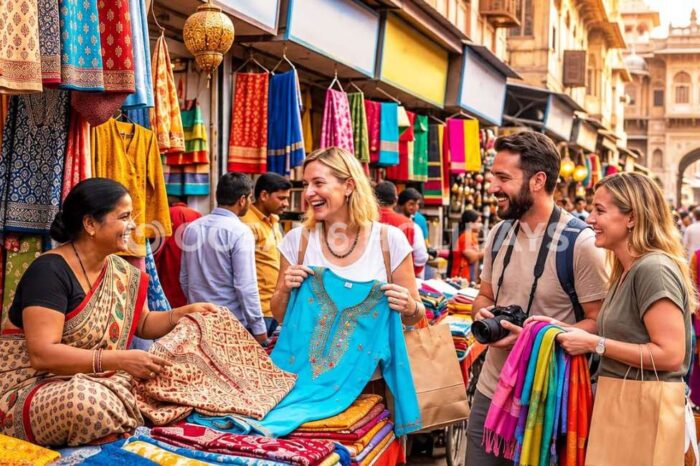
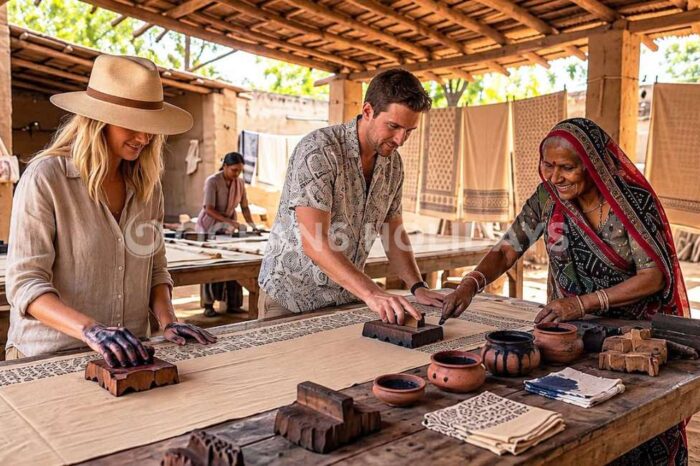
Kota Doria is the featherweight cotton-and-silk sari woven in a signature square khat check – a Geographical Indication craft made in villages around Kota, where you watch zari worked by hand at looms that have run for generations. The Jaipur Textile Tour is the hands-on cousin: block printing and tie-dye (bandhani) workshops where you don’t just watch, you make. Why they fit: they turn a souvenir into a story you understand. The trade-off: these are slow, immersive days – the pleasure is in the process, not in covering ground. Who they suit: makers, textile lovers, travellers who value depth over sights. Who they may not: anyone wanting a packed monument itinerary.
For travellers who want craft woven into a broader trip, the 3N/4D Offbeat Jaipur Tour (Village Safari, Printing, Leopard Safari, Temple & Textile Traditions) blends printing traditions with a village and wildlife layer – a well-balanced introduction to the offbeat side of a familiar city.
This is where offbeat Rajasthan is at its most surprising – merchant art, miniature painting, and forts that most visitors never reach.
Shekhawati’s towns are covered in frescoes – merchant mansions painted inside and out, a region sometimes called the world’s largest open-air art gallery. It sits off the main circuit, so you often walk these streets nearly alone. Why it fits: unmatched density of painted heritage, minimal crowds. The trade-off: many havelis are faded or under restoration – this is authentic decay, not a polished museum. Who it suits: art and history lovers, photographers, slow travellers. Who it may not: anyone expecting pristine palaces.
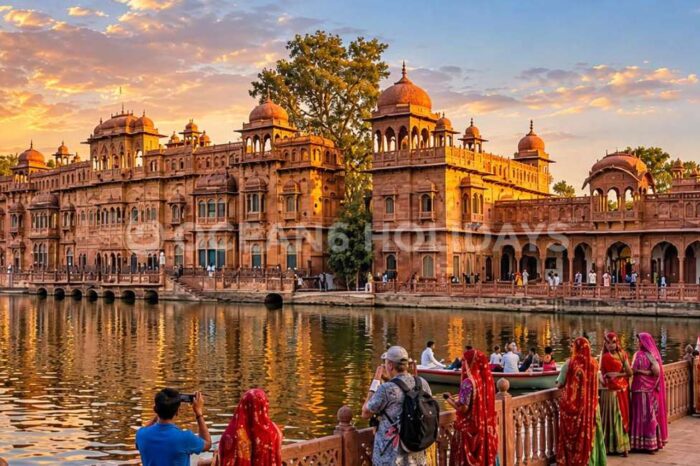
Nathdwara is a major pilgrimage town built around the Shrinathji temple, and the home of Pichwai painting – devotional cloth art of extraordinary detail. Deogarh is its quieter counterpart: a small town with a heritage fort-palace, lakes, and its own miniature-painting school. Why they fit: living painting traditions you can watch and buy at source. The trade-off: Nathdwara is a devotional town first and can be crowded around temple hours; Deogarh is genuinely sleepy – that’s the point. Who Nathdwara suits: those drawn to temples and religious art. Who Deogarh suits: travellers wanting calm, a lakeside fort stay, and unhurried days.
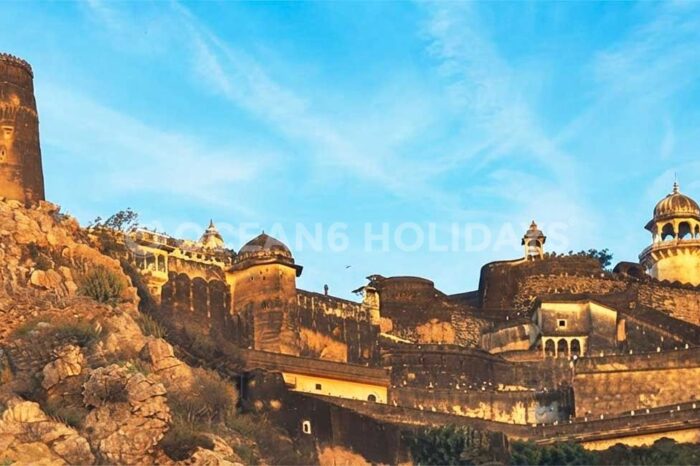
Alwar pairs a hilltop fort and lake with Mughal-influenced architecture, an easy heritage break near Delhi. The Kumbhalgarh & Udaipur route joins the epic wall of Kumbhalgarh fort to the lakes and craft stalls of Udaipur – a strong all-rounder. Offbeat Udaipur takes the famous lake city and turns it sideways, toward its bird village, wildlife, and the ancient Ahar site most visitors never see. Who these suit: travellers who want heritage with variety and comfortable bases. The trade-off: the multi-day routes trade depth-in-one-place for range – ideal if you’d rather see more than settle in.
For travellers who want scale, drama, and a bit of adrenaline.
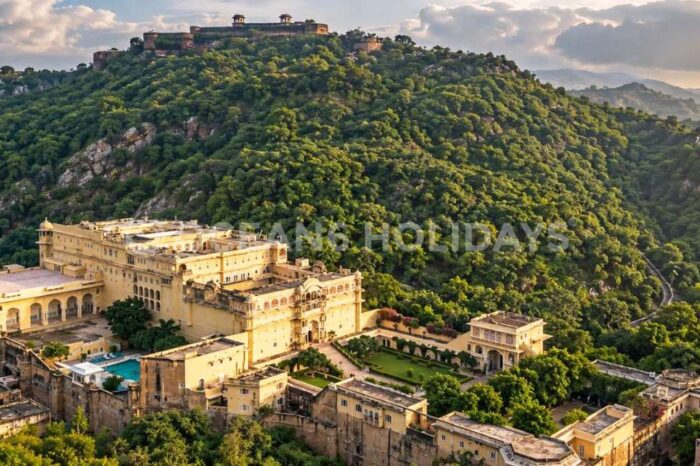
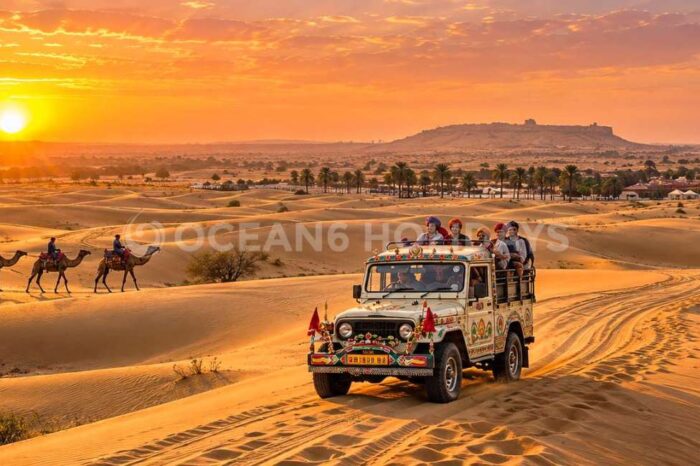
Kumbhalgarh guards the second-longest continuous wall in the world after China’s – a fort that genuinely earns the superlative – with a wildlife sanctuary at its feet and an evening sound-and-light show. Samod is a heritage-fort base near Jaipur that layers in jeep and camel safari and, weather permitting, a hot-air balloon over the Aravallis. Offbeat Jaisalmer skips the tourist-heavy dunes for a fossil park, quieter desert camps, and Jain temple architecture. Why they fit: the sense of scale you came to Rajasthan for, with fewer crowds. The trade-off: the balloon and some safaris are weather- and season-dependent – we’ll always tell you what’s realistic for your dates. Who they suit: first-time-to-Rajasthan travellers wanting the “wow” without the queues, and families.
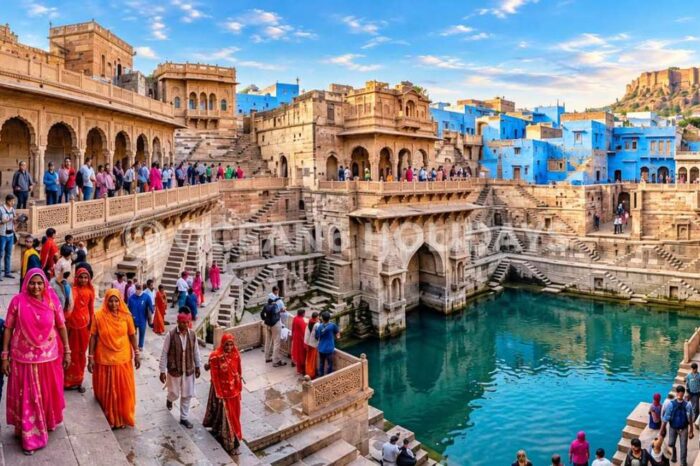
These take two well-known cities and lead you out of them – to stepwells (jhalras), desert villages, and, in Bikaner’s case, the government camel research centre and its lesser-visited havelis. Why they fit: you get the famous fort and the countryside most tours ignore. The trade-off: village safaris are gentle and cultural, not thrill-seeking. Who they suit: repeat visitors to Rajasthan, and travellers who felt the classic cities were too rushed the first time.
| If you want… | Look at |
|---|---|
| The best realistic wildlife sighting odds | Jawai (leopards), Sariska & Ranthambore (tigers) |
| A rare natural spectacle | Khichan cranes (winter only) |
| To make something with your hands | Kota Doria, Jaipur Textile |
| Art, frescoes, and painted heritage | Shekhawati, Nathdwara, Deogarh |
| Scale, forts, and a little adrenaline | Kumbhalgarh, Samod, Offbeat Jaisalmer |
| One trip that does a bit of everything | 4N/5D or 6N/7D Jawai pairings |
| A short escape near Delhi | Alwar, Sariska |
There is no single “best” offbeat Rajasthan tour – only the one that fits you. The difference between a good holiday and the right one usually comes down to matching pace, interests, and time to the route before you book, not after.
That’s the part we’re here for. Ask Ocean6 Holidays Before You Book – tell us who’s travelling, your dates, and what you most want from Rajasthan, and we’ll tell you honestly which of these routes fits, which doesn’t, and why.
98742 84569
98743 61951
Mon-Sat 11.00AM-07.30PM