
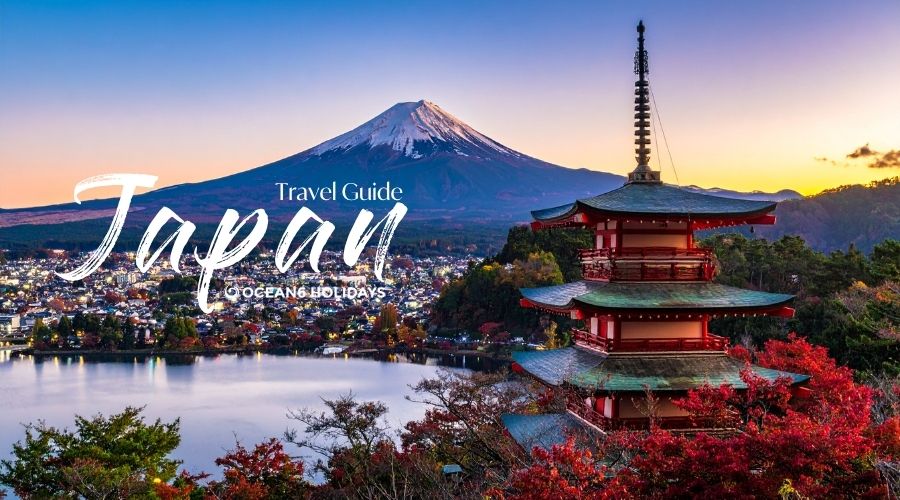
Japan offers an unparalleled blend of ancient tradition and futuristic innovation. This guide covers the 17 most significant landmarks across the country, detailing exactly how to experience them.
Osaka: The Kitchen of Japan
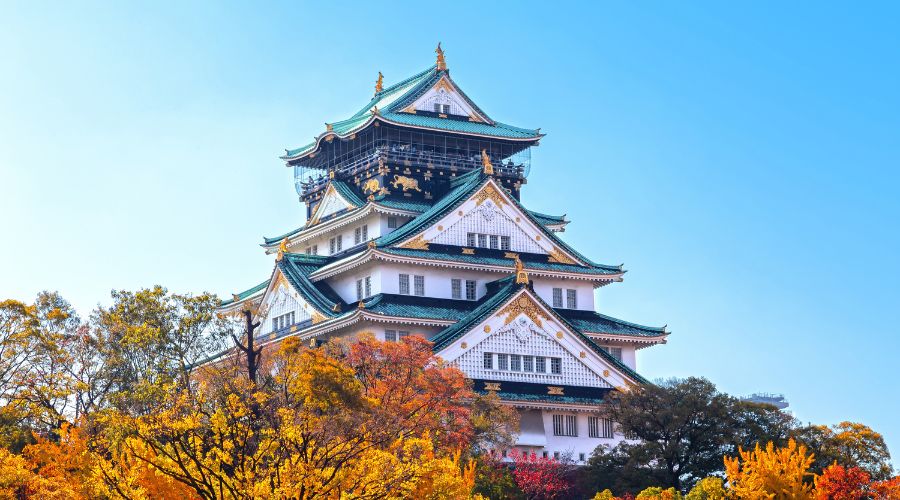
Osaka Castle
A towering symbol of Japan’s unification during the sixteenth century, this castle features a striking five-story exterior adorned with gold leaf. It played a pivotal role in the power struggles of the Azuchi-Momoyama period. Today, it stands as a museum surrounded by sprawling gardens and moats.
- How to Reach: A 10-minute walk from Osakajokoen Station (JR Loop Line).
- Best Time to Visit: Late March to early April for cherry blossoms, or October for autumn foliage.
- Nearest Locations to club with: Osaka Museum of History, Nishinomaru Garden.
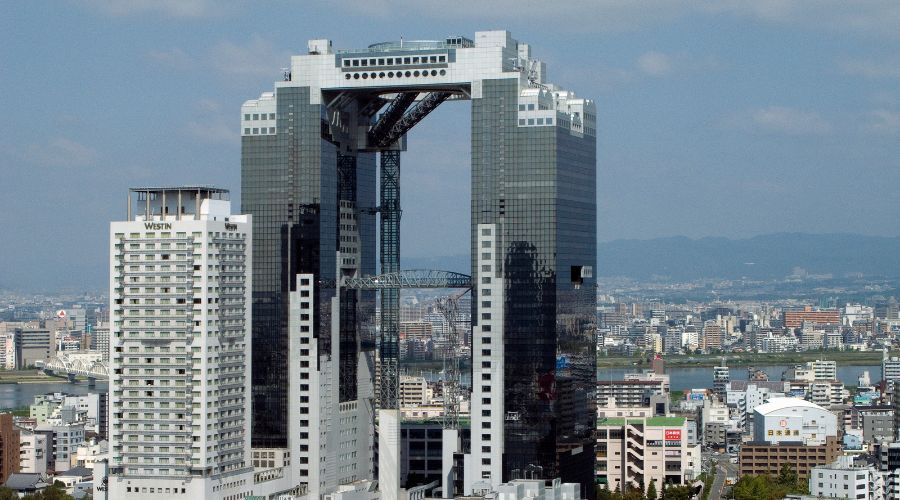
Umeda Sky Building
This spectacular high-rise features two 40-story towers connected by the “Floating Garden Observatory” at the top. It represents Osaka’s futuristic architectural ambitions and offers unobstructed 360-degree views of the city. The basement houses a replica of a Showa-period restaurant street.
- How to Reach: A 10-minute walk from JR Osaka Station or Umeda Station.
- Best Time to Visit: Just before sunset to experience both daylight and spectacular night views.
- Nearest Locations to club with: Grand Front Osaka, HEP FIVE Ferris Wheel.
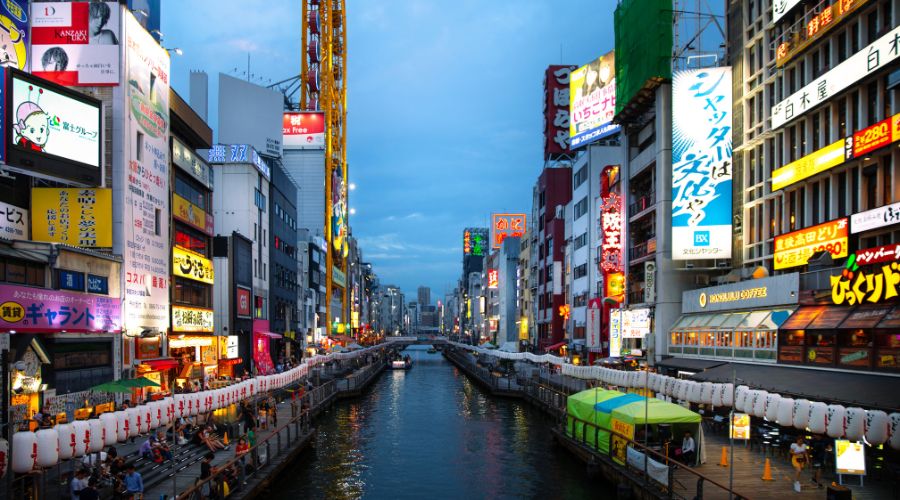
Dotonbori Street
The pulsing heart of Osaka’s nightlife and culinary scene, famous for its glowing neon lights and the iconic Glico Running Man sign. It embodies the local philosophy of kuidaore (eat until you drop). The canal-side promenade is packed with street food stalls serving takoyaki and okonomiyaki.
- How to Reach: Right outside Namba Station (Midosuji Subway Line).
- Best Time to Visit: Evening/Night when the neon lights reflect on the canal.
- Nearest Locations to club with: Shinsaibashi Shopping Arcade, Hozenji Yokocho.
Hiroshima & Miyajima: History and Resilience
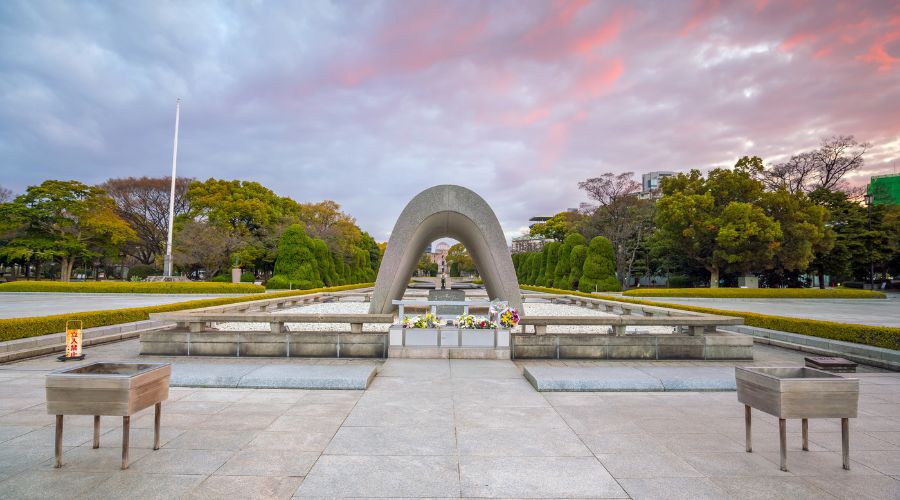
Hiroshima Peace Memorial Park and Museum
A profound and somber site dedicated to the victims of the 1945 atomic bombing and the advocacy of world peace. The museum details the catastrophic impact of the bomb with unflinching honesty. The park itself is built on what was once the city’s busiest commercial district.
- How to Reach: Take tram line 2 or 6 from Hiroshima Station to the Genbaku-Dome Mae stop.
- Best Time to Visit: Year-round; mornings offer a quieter, more reflective experience.
- Nearest Locations to club with: Atomic Bomb Dome, Hiroshima Castle.
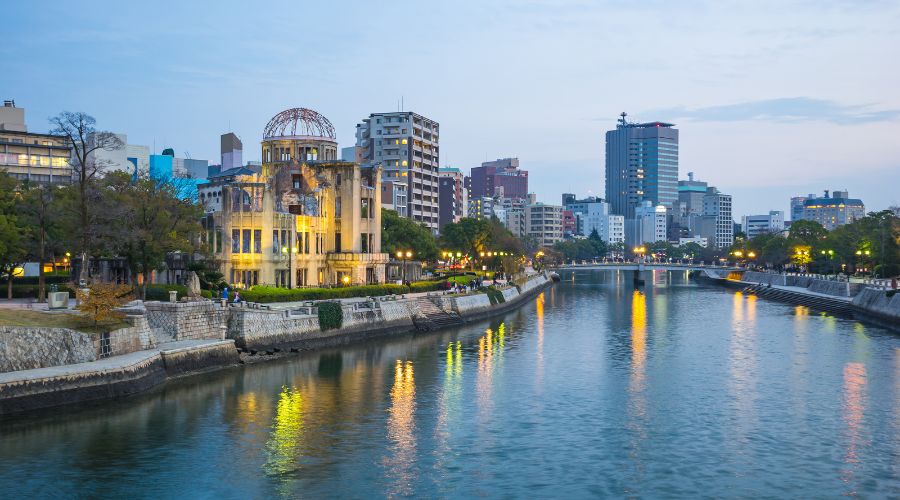
Atomic Bomb Dome (Genbaku Dome)
The skeletal ruins of the former Prefectural Industrial Promotion Hall, which survived the blast almost directly above it. It was preserved exactly as it looked after the bombing to serve as a stark reminder of nuclear devastation. It is a UNESCO World Heritage site and the focal point of the Peace Park.
- How to Reach: Tram line 2 or 6 from Hiroshima Station to Genbaku-Dome Mae.
- Best Time to Visit: Evening when the ruins are respectfully illuminated.
- Nearest Locations to club with: Peace Memorial Museum, Orizuru Tower.
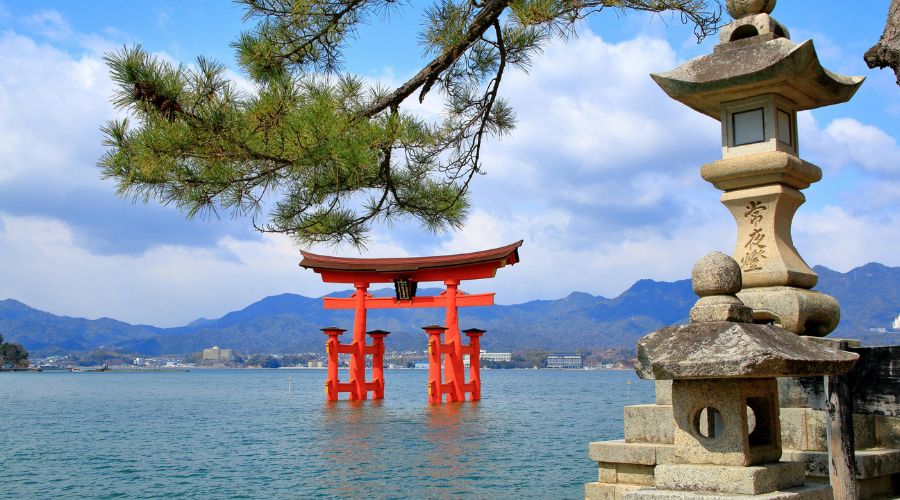
Itsukushima Shrine on Miyajima
Famous for its “floating” vermilion torii gate, this Shinto shrine is built over water to appear as if it is floating during high tide. The island of Miyajima itself has been considered sacred for centuries, where commoners were historically not allowed to set foot. The shrine complex is a marvel of 12th-century Heian period architecture.
- How to Reach: A 10-minute ferry ride from Miyajimaguchi Station (accessible via JR Sanyo Line from Hiroshima).
- Best Time to Visit: Check tide charts; visit during high tide to see it “float,” and low tide to walk up to the gate.
- Nearest Locations to club with: Mount Misen, Daisho-in Temple.
Kyoto & Nara: The Cultural Heart
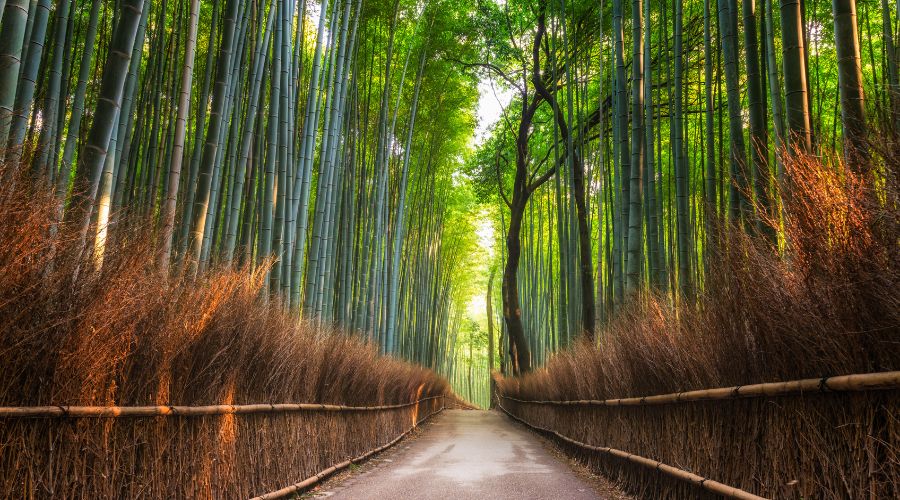
Arashiyama Bamboo Grove
A visually stunning, otherworldly pathway lined with towering, thick green bamboo stalks that sway in the wind. The sound of the rustling bamboo has been voted as one of the “100 Soundscapes of Japan.” It was historically a favored retreat destination for Heian-period nobles.
- How to Reach: A 10-minute walk from Saga-Arashiyama Station (JR Sagano Line).
- Best Time to Visit: Early morning (before 8 AM) to avoid massive crowds.
- Nearest Locations to club with: Tenryu-ji Temple, Togetsukyo Bridge.
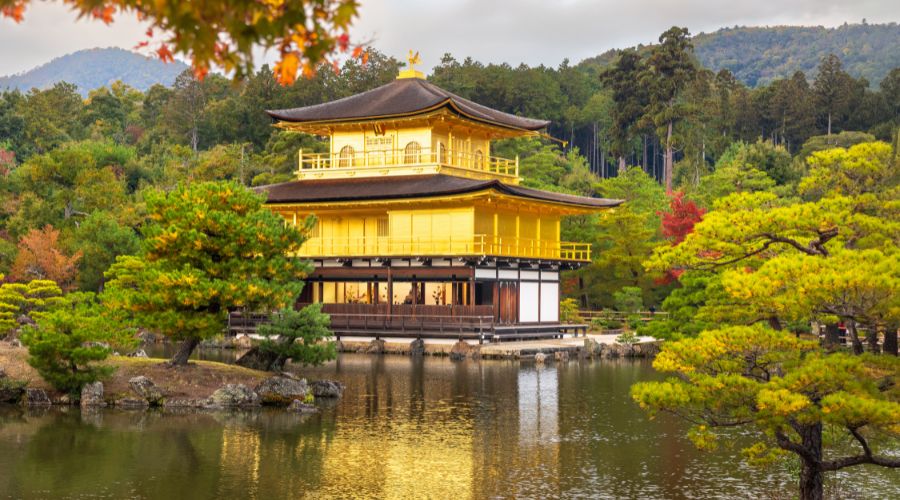
Golden Pavilion (Kinkaku-ji)
A Zen Buddhist temple whose top two floors are completely covered in brilliant gold leaf, reflecting perfectly in the serene pond before it. Originally built as a retirement villa for a shogun, it was converted into a temple after his death. It stands as a symbol of extravagant Muromachi-period architecture.
- How to Reach: Take Kyoto City Bus number 101 or 205 from Kyoto Station.
- Best Time to Visit: Early morning or just after a fresh snowfall during winter.
- Nearest Locations to club with: Ryoan-ji Temple, Ninna-ji Temple.
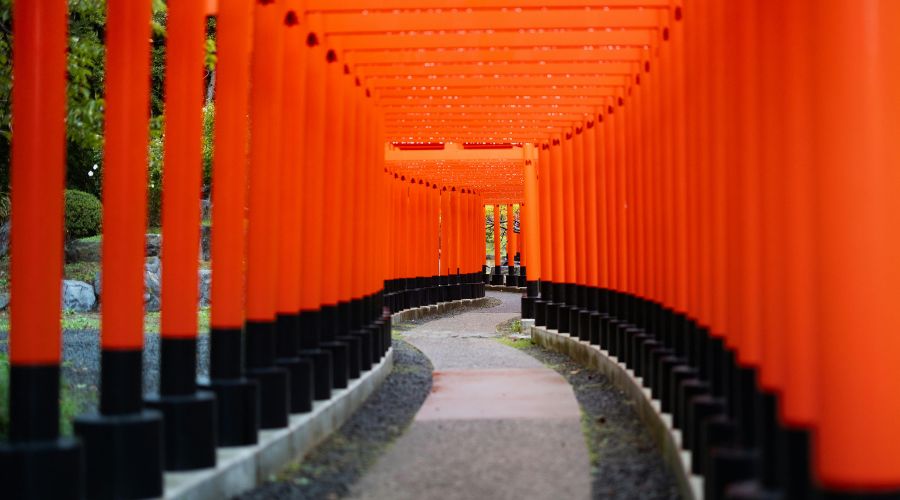
Fushimi Inari Shrine
An iconic Shinto shrine renowned for its thousands of vibrant orange torii gates that straddle a network of trails leading up the wooded Mount Inari. It is dedicated to Inari, the Shinto god of rice and commerce, making it a pivotal pilgrimage site for business owners. Foxes are considered Inari’s messengers, resulting in numerous fox statues across the grounds.
- How to Reach: Right outside Inari Station (JR Nara Line, 5 mins from Kyoto Station).
- Best Time to Visit: Dawn or dusk; the trails are open 24/7 and night visits are highly atmospheric.
- Nearest Locations to club with: Tofuku-ji Temple, Uji (for matcha tea).
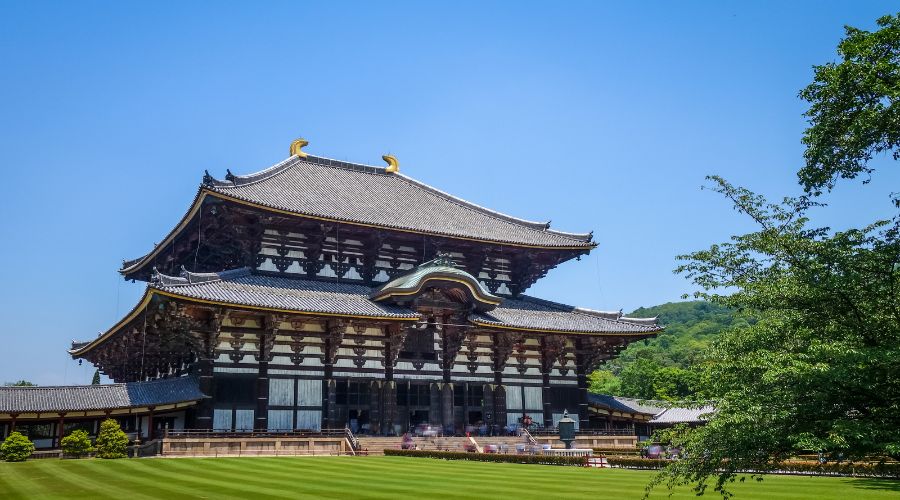
Todai-ji Temple and Nara Deer Park
Todai-ji is a monumental wooden temple that houses one of Japan’s largest bronze Buddha statues (Daibutsu), highlighting the immense power of early Japanese Buddhism. It sits within Nara Park, home to over 1,000 free-roaming Sika deer considered sacred messengers of the gods. Visitors can purchase special crackers to feed the bowing deer.
- How to Reach: A 20-minute walk from JR Nara Station, or 5 minutes from Kintetsu Nara Station.
- Best Time to Visit: Spring for cherry blossoms or Autumn for crisp weather and fewer crowds.
- Nearest Locations to club with: Kasuga Taisha Shrine, Kofuku-ji Temple.
Nagoya Region
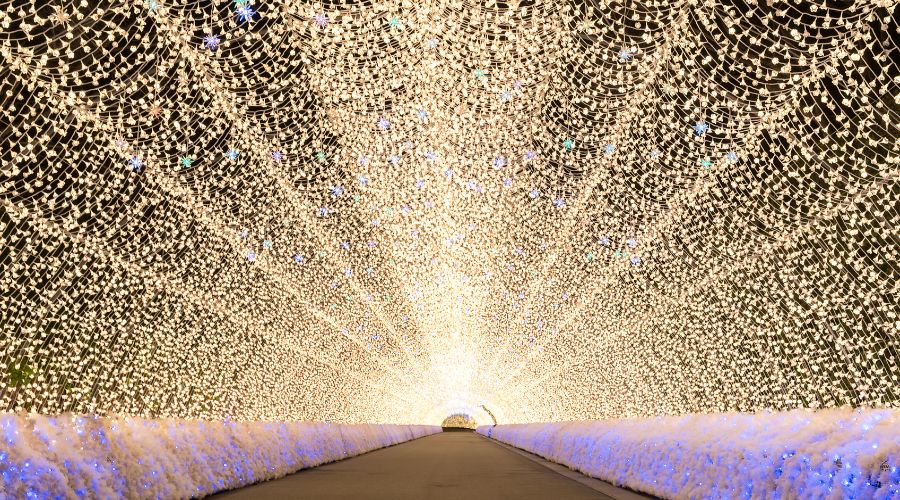
Nabana no Sato Illuminations
One of Japan’s most spectacular flower parks, renowned globally for its massive, multi-million LED winter illumination displays. The highlight is the mesmerizing “Tunnel of Light,” which creates an immersive, glowing corridor. It transforms a botanical garden into an electric, seasonal wonderland.
- How to Reach: Bus from Nagoya Station or Kuwana Station to Nabana no Sato.
- Best Time to Visit: Mid-October to early May for the winter illumination event.
- Nearest Locations to club with: Nagashima Spa Land, Mitsui Outlet Park.
Hakone: Hot Springs and Alpine Views
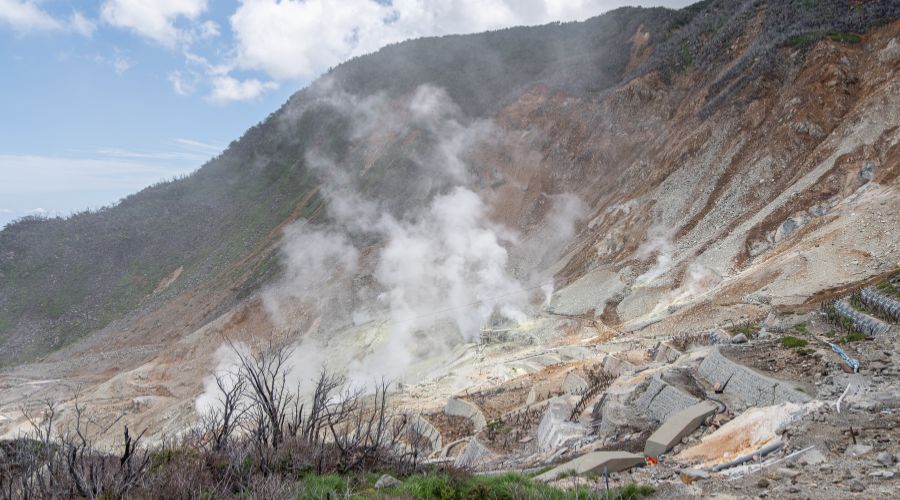
Owakudani Ropeway
A dramatic aerial cable car ride traversing a volatile, active volcanic valley venting sulfurous fumes and hot springs. It provides unmatched, sweeping views of Mount Fuji and the rugged Hakone mountains. The area is famous for Kuro-tamago (black eggs) boiled in the sulfuric waters, which legend says adds seven years to your life.
- How to Reach: Accessible via the Hakone Ropeway from Sounzan Station or Togendai Station.
- Best Time to Visit: Clear, crisp mornings (especially in winter) for the best Mount Fuji visibility.
- Nearest Locations to club with: Hakone Open-Air Museum, Lake Ashi.
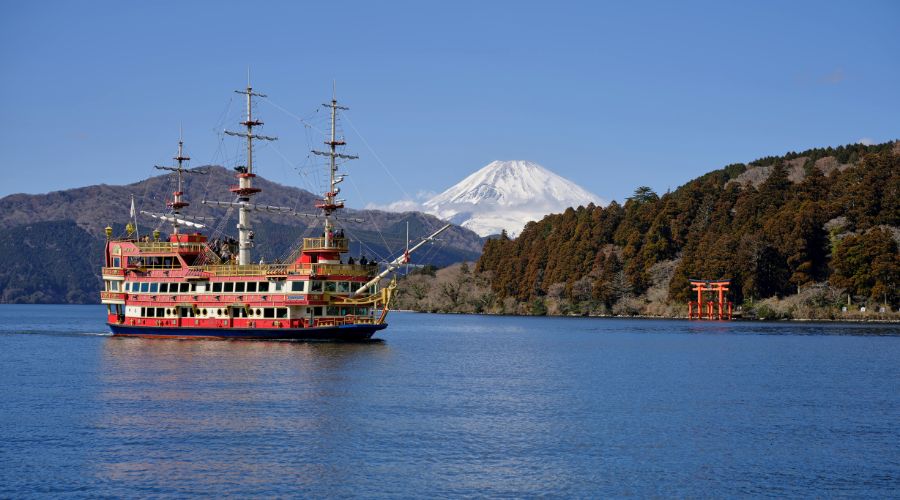
Lake Ashi Cruise with Mt. Fuji Views
A scenic crater lake offering iconic, mirror-like reflections of Mount Fuji on clear days. Visitors cruise the waters on whimsically designed pirate ships, making it a unique sightseeing experience. It serves as the geographical centerpiece of the Fuji-Hakone-Izu National Park.
- How to Reach: Board the sightseeing ships at Togendai, Hakone-machi, or Moto-Hakone ports.
- Best Time to Visit: Winter mornings offer the clearest skies for Fuji views; avoid rainy days.
- Nearest Locations to club with: Hakone Shrine (famous for the water torii gate), Owakudani.
Tokyo: The Metropolis
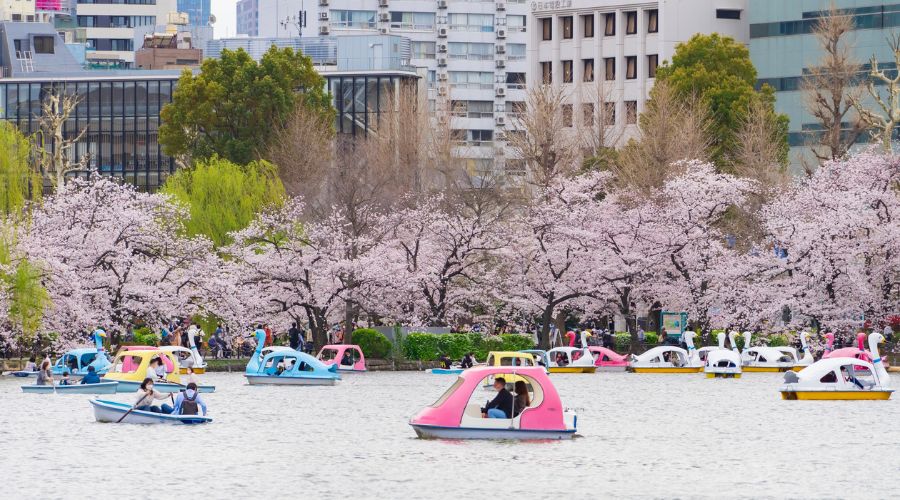
Ueno Park
A vast public space that acts as Tokyo’s cultural hub, housing the city’s finest museums, a zoo, and major shrines. It is one of Japan’s most famous cherry blossom viewing (hanami) spots, drawing millions of visitors each spring. The park sits on the former site of Kaneiji, a temple of the Tokugawa shoguns.
- How to Reach: Right outside Ueno Station (JR Yamanote Line).
- Best Time to Visit: Late March to early April for sakura season, or weekdays for museum visits.
- Nearest Locations to club with: Tokyo National Museum, Ameyoko Shopping Street.
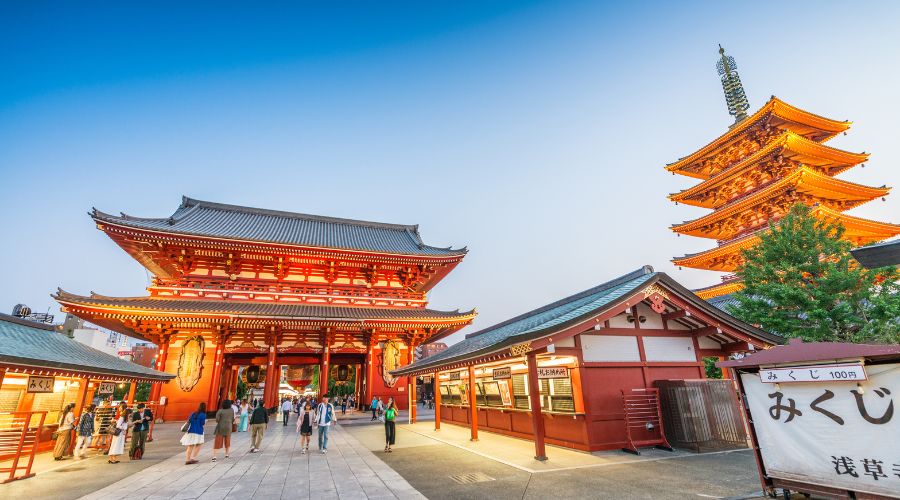
Sensō-ji (Asakusa) Temple and Nakamise Street
Tokyo’s oldest and most significant Buddhist temple, marked by the massive red lantern hanging at the Kaminarimon (Thunder Gate). The approach to the temple is Nakamise Street, a centuries-old shopping promenade selling traditional snacks and souvenirs. It offers a distinct, preserved atmosphere of old Tokyo (Edo).
- How to Reach: A 5-minute walk from Asakusa Station (Ginza Subway Line).
- Best Time to Visit: Early morning before the shops open for photography, or mid-day for the bustling market energy.
- Nearest Locations to club with: Tokyo Skytree, Sumida River Cruise.
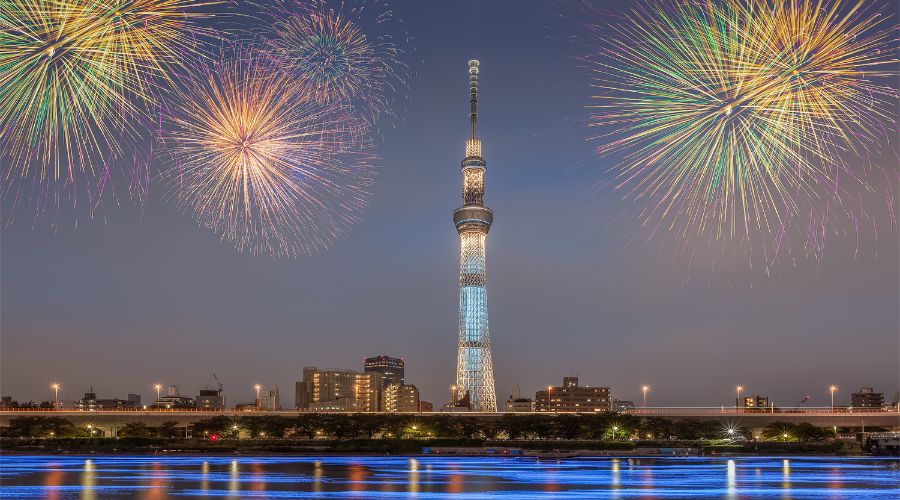
Tokyo Skytree
Standing at 634 meters, this broadcast tower is the tallest structure in Japan and a marvel of modern neo-futuristic engineering. It offers sweeping, dizzying panoramic views of the entire Kanto region, and on clear days, Mount Fuji. The base houses a massive shopping and entertainment complex called Tokyo Solamachi.
- How to Reach: Direct access from Tokyo Skytree Station (Tobu Isesaki Line) or Oshiage Station.
- Best Time to Visit: Late afternoon to catch the daytime sprawl, the sunset, and the sparkling night cityscape.
- Nearest Locations to club with: Sumida Aquarium, Sensō-ji Temple.
Odaiba and teamLab Planets TOKYO DMM
Odaiba is a high-tech entertainment hub built on a man-made island in Tokyo Bay, symbolizing Japan’s futuristic urban planning. The area currently features teamLab Planets, a viral, immersive digital art museum where visitors walk through water and interact with mesmerizing light installations. It bridges the gap between technology, art, and sensory experience.
- How to Reach: Take the Yurikamome automated transit line to Shin-Toyosu Station (for teamLab) or Daiba Station.
- Best Time to Visit: Book teamLab tickets well in advance; visit Odaiba in the late afternoon for sunset views of the Rainbow Bridge.
- Nearest Locations to club with: DiverCity Tokyo Plaza (Gundam Statue), Toyosu Market.