Jharkhand Beyond Ranchi: A Sightseeing Guide to the State’s Offbeat Circuit
Most first-time visitors see Ranchi, maybe a waterfall near the city, and leave thinking they have seen the state. They have seen perhaps a third of it. The real character of Jharkhand sits further out: in the plateau air of Netarhat, the sal forests around Betla, the river towns of Ghatshila and Galudih, the temple town of Deoghar, and the quiet Anglo-Indian lanes of McCluskieganj. This guide walks through what there actually is to see and do at each of these places, so a traveller can decide where their interests genuinely point, rather than choosing on the strength of a photograph.
Ranchi works well as a base for the first day or two of any Jharkhand itinerary, largely because it packs city sightseeing and short excursions into a manageable radius.
Inside the city, the Jharkhand State Museum and the Tribal Research Institute Museum are worth the two or three hours they take. Between them, they cover the state’s mineral history, its tribal art, and the everyday material culture of communities such as the Santhal, Munda and Oraon, giving useful context to everything seen later on the trip. Pahari Mandir, a small Shiva temple on a hillock near the city centre, offers a short climb and a wide view over Ranchi. It’s a better early-morning or late-evening stop than a midday one, since the steps have no shade.
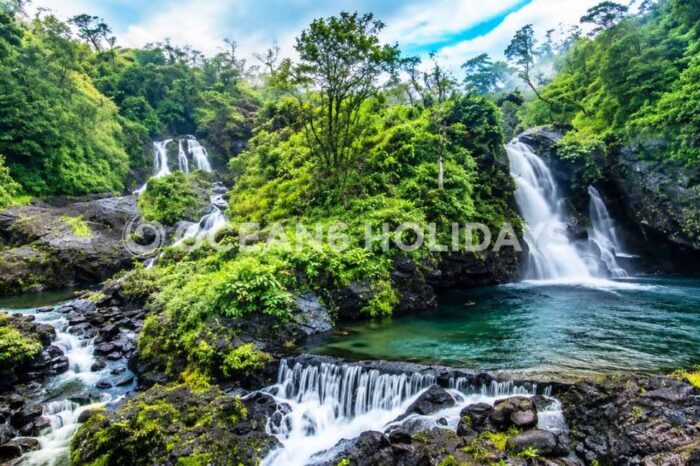
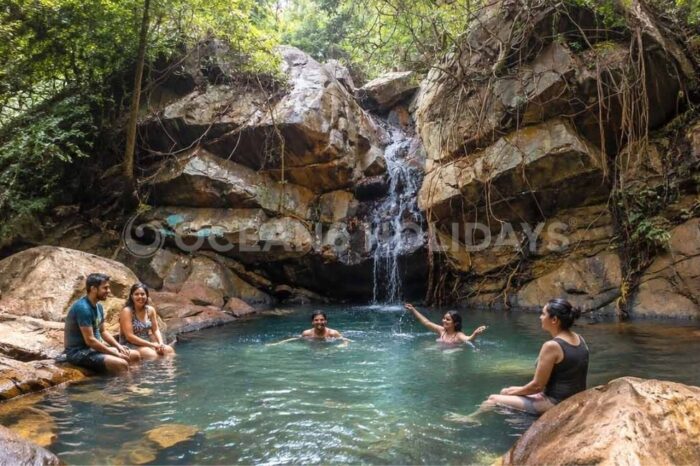
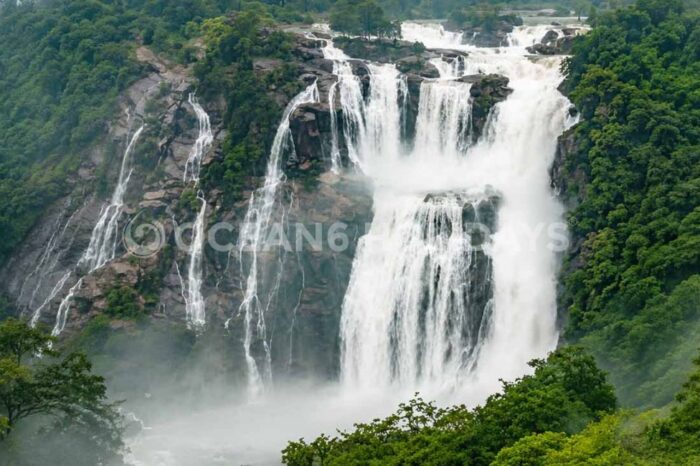
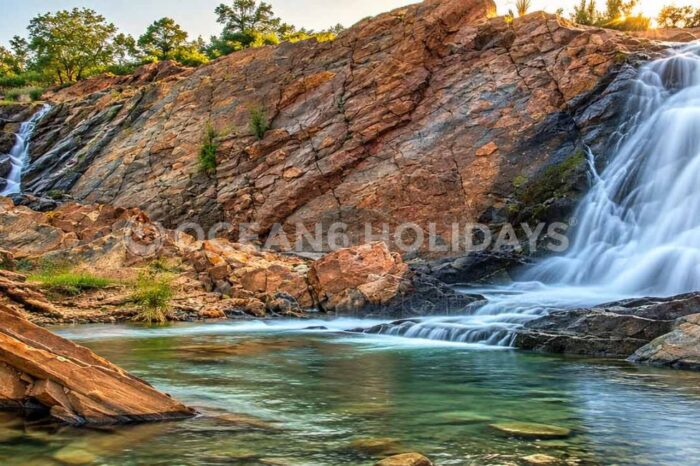
A little outside the city, Kanke Dam is a straightforward reservoir stop with walking paths along the bank, and Ranchi’s cluster of waterfalls — Hundru, Jonha and Dassam — each sit roughly forty-five minutes to an hour from the city in different directions. Hundru is the tallest and draws the most visitors. Jonha, also called Gautamdhara, has a longer descent to the pool with steps carved into the hillside. Dassam has a wider, shallower spread that suits an easier visit. All three are fed by the Subarnarekha river system, and all three change character sharply between monsoon, when the flow is at its fullest and the rock can be slippery, and the drier months, when the water thins and the pools become safer to approach.
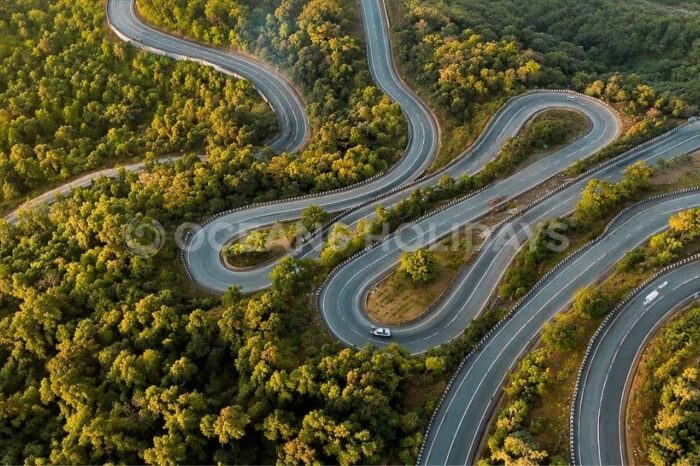
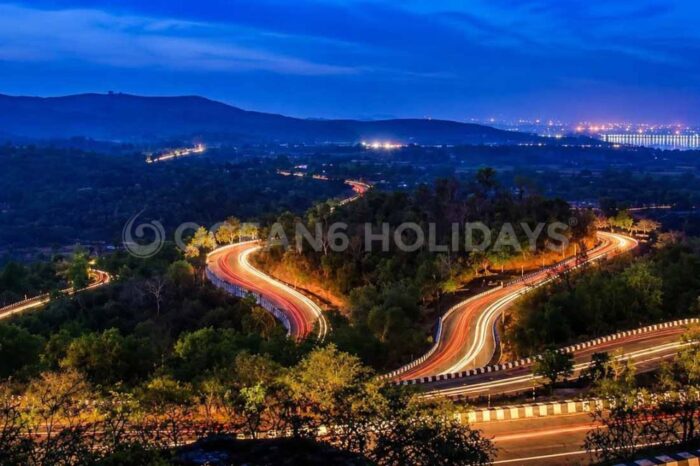
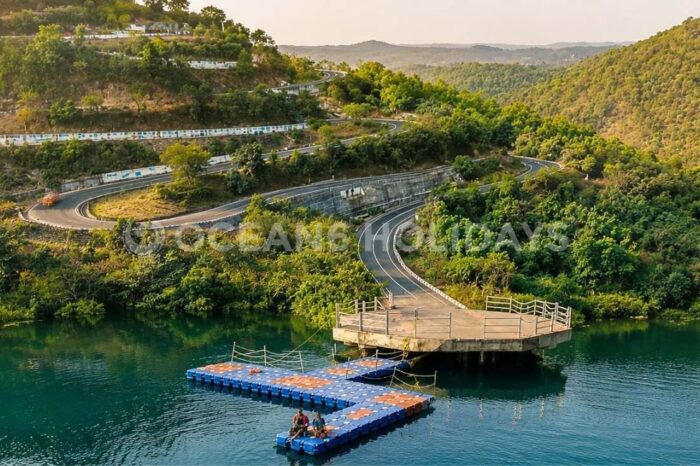
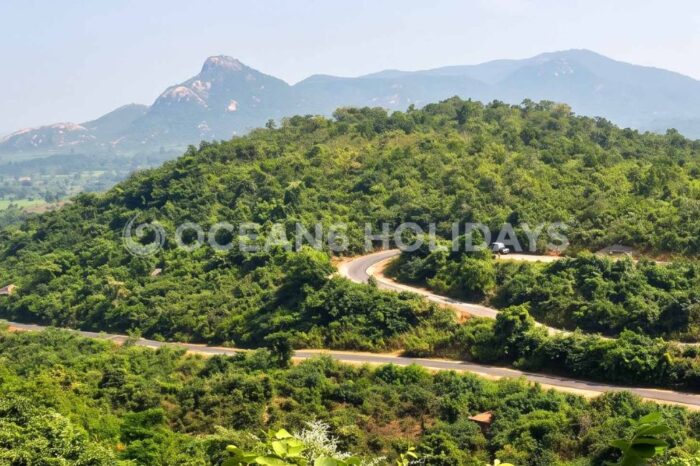
From Ranchi, the road to Patratu Valley is the real draw for anyone who enjoys a scenic drive. The valley road descends through a series of hairpin bends with the Patratu Dam and its reservoir visible from several viewpoints along the way. There are lookout points built specifically for this view, and the dam itself allows a walk along part of its length, with boating generally available on the reservoir in season. Photographers and anyone who simply enjoys watching a landscape unfold from a car window will get more out of this stretch than a checklist sightseer will; the actual “sights” at Patratu are the road and the water, not a monument. Ocean6 Holidays covers this combination on the 6N/7D Ranchi, Netarhat & Patratu Valley Tour, and, for a shorter visit focused purely on the valley, the 2N/3D Patratu Valley Tour.
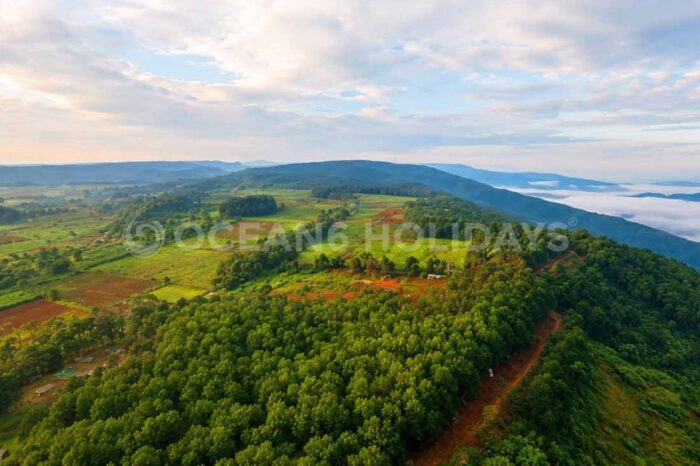
Netarhat sits at a higher elevation than most of Jharkhand, and that altitude is the whole point of visiting it. Locals have called it the “Queen of Chotanagpur” for generations, not for any single monument but for the cooler air, the pine and sal cover, and the long sightlines across the plateau.
Two viewpoints anchor most visits. The Sunrise Point requires an early start, usually well before dawn, to catch the light coming up over the forest below. The Sunset Point, sometimes called Magnolia Point after the Magnolia House nearby, works the opposite way and is a calmer, later stop. Neither view is guaranteed to be clear — winter mornings often bring mist that can either make the sunrise more dramatic or hide it completely, which is worth knowing before building a schedule too tightly around either point.
The forest itself is walkable in parts, and Netarhat’s own reservoir and dam offer a quieter stop than the two main viewpoints. Nearby, Upper Ghaghri and Lower Ghaghri Falls sit within the same forest belt and are usually visited together, with Upper Ghaghri involving a longer approach on foot. Further out, Lodh Falls, among the highest waterfalls in the state, is a common addition for travellers willing to add an extra couple of hours of driving; the falls are seasonal in their full force and are at their most dramatic soon after the monsoon.
Netarhat’s Residential School, one of the older institutions of its kind in the region, is visible from the road and is of interest mainly for its setting rather than as a site to enter. For most travellers, Netarhat works best as a slow one or two-night stop rather than a rushed half-day detour: the value here is in the pace, not in a list of attractions to cross off. It features across several Ocean6 Holidays itineraries, including the 3N/4D Ranchi & Netarhat Tour, the 3N/4D Netarhat & Betla Tour, and the standalone 2N/3D Netarhat Tour.
Betla, part of the Palamu Tiger Reserve, is Jharkhand’s most accessible wildlife destination, and it pairs naturally with a Netarhat visit since the two sit within a few hours of each other.
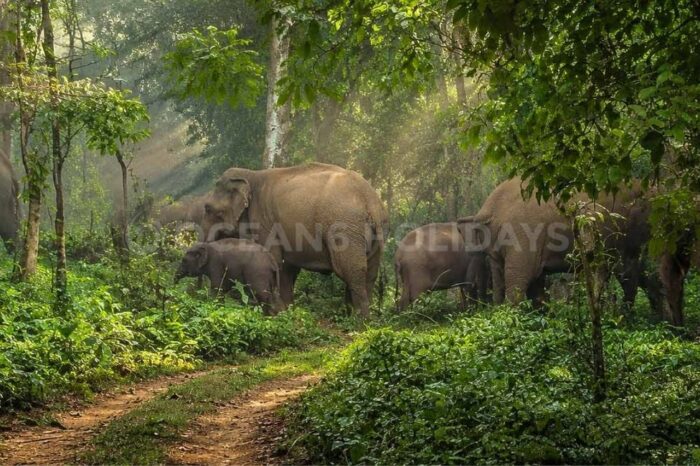
The core activity here is the jeep safari through the forest, which runs at fixed hours set by the forest department and depends on permit availability, so it’s worth confirming timings locally rather than assuming a slot. What a safari turns up varies by season and by luck: spotted deer, sambar, wild boar and gaur (Indian bison) are commonly seen; elephants move through the reserve but are not guaranteed on any given drive; tiger and leopard sightings are rare and shouldn’t be the expectation a trip is built around. Betla’s forest also supports strong birdlife, and a slower vehicle with a patient guide tends to spot more than a fast one.
Away from the wildlife, the two Palamu Forts sit close to the park. The older fort predates the newer one by roughly a century, and both are now in ruins, overtaken by forest in places — history left largely as it was found, rather than restored for visitors. Watchtowers within the reserve, used historically for spotting game and now largely for visitor use, add a second vantage point over the forest canopy, separate from the jeep route.
Betla suits travellers who want wildlife and history in the same stop without the scale or crowds of a bigger national park. It doesn’t suit anyone expecting guaranteed big-cat sightings or resort-style comfort at the lodges near the park gate. It’s the focus of the 3N/4D Netarhat & Betla Tour.
Ghatshila and neighbouring Galudih sit on the Subarnarekha river in the state’s eastern belt, and the sightseeing here runs on a smaller, gentler scale than the Ranchi or Netarhat circuits.
Dharagiri Falls is the principal waterfall in the area, set among low hills and reachable with a short walk from the road. Burudih Lake, close to the town, is a calm spot for an evening walk along the bank rather than a destination in itself. Phuldungri, a hill just outside Ghatshila, is a popular short trek and viewpoint, manageable in an hour or two and rewarding for the view back over the river valley. Panchpandav, a rock formation associated in local tradition with the five Pandava brothers of the Mahabharata, is a smaller but locally significant stop.
At Galudih, the barrage on the Subarnarekha is the centrepiece — a working structure rather than a monument, but one that offers a wide river view and, depending on the season, birdlife along the banks. The area around Galudih is quieter than Ghatshila town itself, which makes it a better fit for travellers who want fewer people around rather than more to see.
This isn’t a destination for anyone chasing a single headline attraction. Ghatshila and Galudih suit a traveller who enjoys a river landscape at a walking pace, small hills, and short excursions rather than a packed itinerary. Ocean6 Holidays runs both the fuller 3N/4D Ghatshila & Galudih Tour and the shorter 2N/3D Ghatshila Tour, depending on how much time is available.
Jamshedpur, India’s first planned industrial city, brings a different kind of sightseeing into the mix: landscaped public space alongside a nearby wildlife sanctuary.
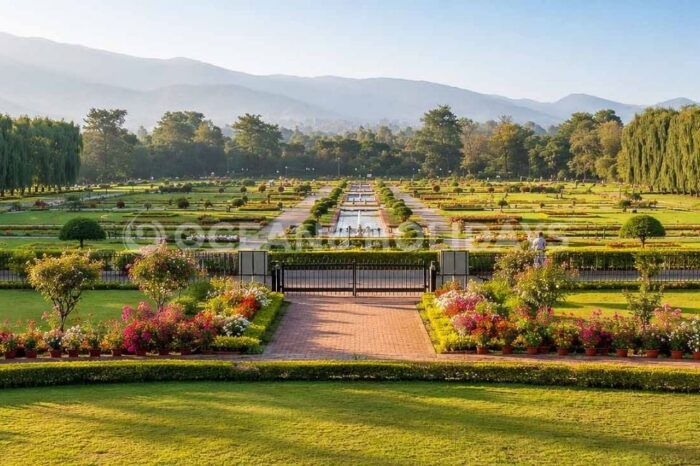
Jubilee Park, at the centre of the city, is a large, well-maintained garden with a zoo and a rose garden section, and it works well as a low-effort evening stop after a day of driving. Dimna Lake, a reservoir a short distance from the city, is used for boating and offers hill views along its edge; it draws crowds on weekends, so a weekday visit or an early start makes for a calmer experience.
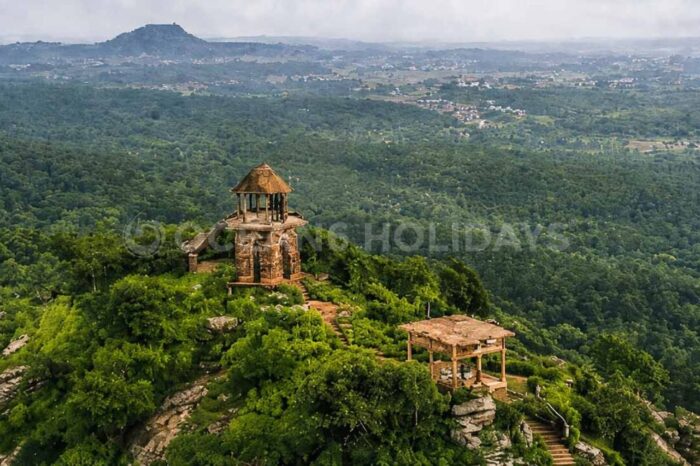
Dalma Wildlife Sanctuary sits on a forested hill range just outside the city and is built more around the ascent than around any single sighting. A watchtower near the summit gives a wide view over the surrounding valley and, on clear days, back towards Jamshedpur itself. The sanctuary is known for its elephant population, though as with any forest reserve, elephants move through on their own schedule — a visit shouldn’t be built around guaranteed contact with them; the forest trail itself is the more dependable reward. Bhurkunda, a smaller lake and picnic spot in the same general area, rounds out a day trip for travellers who want a second, quieter stop after the sanctuary.
Jamshedpur and Dalma suit travellers who want city comfort at night and a forest walk by day, without the longer drives that Netarhat or Betla require. Ocean6 Holidays offers this as a dedicated 2N/3D Dalma Wildlife Tour, or combined with the city as the 2N/3D Jamshedpur & Dalma Tour.
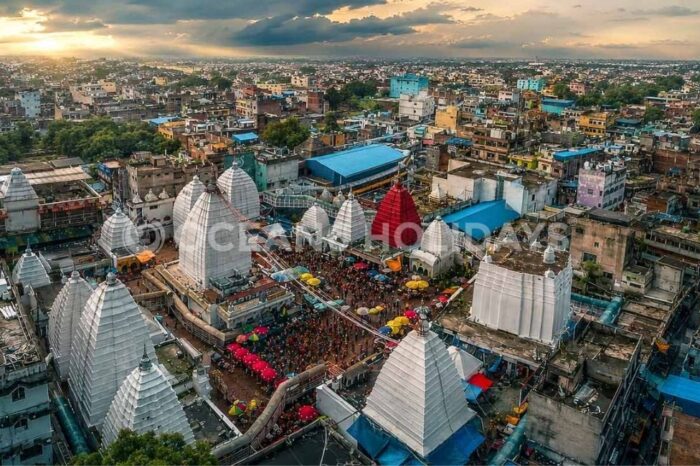
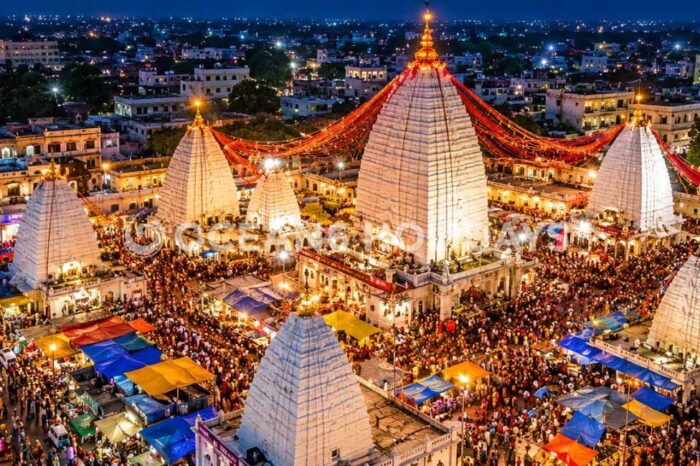
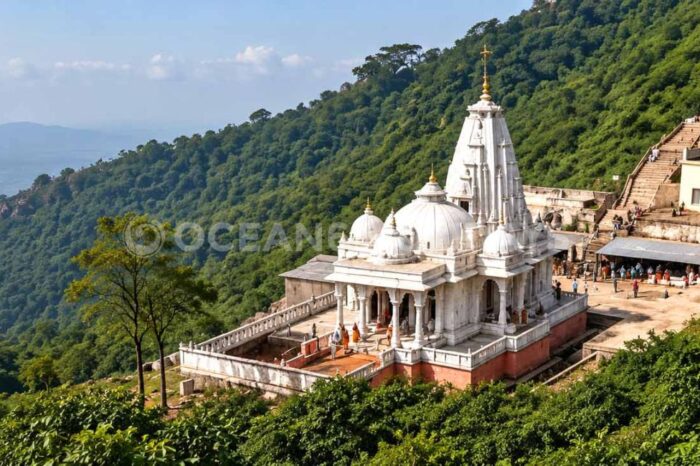
Deoghar is best known as a pilgrimage town, built around the Baidyanath Temple complex, one of the twelve Jyotirlinga shrines associated with Shiva. Even for travellers visiting for the wider sightseeing rather than the pilgrimage itself, the temple complex is worth walking through for its scale and the daily rhythm of worship around it, which is busiest during the Shravan month when pilgrims arrive on foot from long distances. The Ramakrishna Mission Vidyapith campus nearby offers a quieter, more contemplative stop, with gardens and a calmer pace than the main temple area.
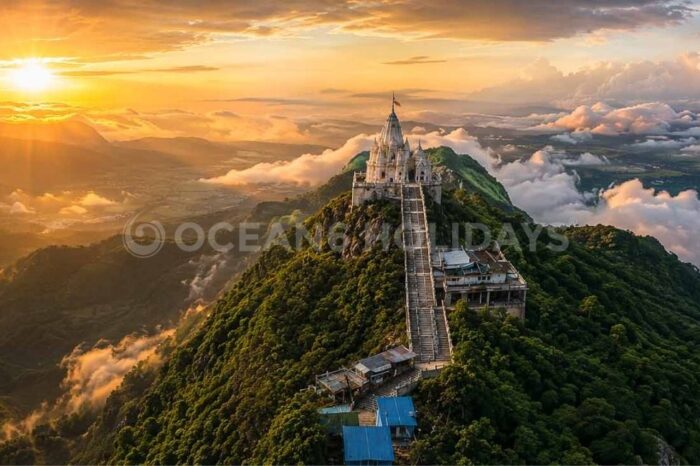
Trikut Parvat, a hill a short drive from Deoghar town, is the location of a ropeway that carries visitors most of the way up, followed by a shorter climb on foot to the summit temple and viewpoint. Tapovan and Nandan Pahar, two nearby hill sites associated with ashrams and caves, add a second stop for anyone interested in the area’s spiritual geography rather than its main temple alone. Basukinath, roughly forty minutes from Deoghar, is a second significant Shiva temple often visited together with Baidyanath as part of the same pilgrimage circuit.
Giridih, further west, shifts the focus from temples to hills and water. Khandoli Park and Dam sit at the edge of Giridih town and offer boating and walking paths around the reservoir, with a small hill nearby for an easy climb. Usri Falls, roughly half an hour outside the town, is a multi-tiered waterfall that flows most strongly in the months following the monsoon and thins out considerably by late winter, which is worth factoring in when deciding when to visit.
Deoghar and Giridih together suit travellers with an interest in the state’s religious and spiritual sites, paired with enough natural scenery to avoid the trip feeling like a temple checklist alone. Ocean6 Holidays combines both towns on the 3N/4D Deoghar & Giridih Tour, with a shorter option in the 2N/3D Deoghar Tour for travellers focused on the temple town alone.
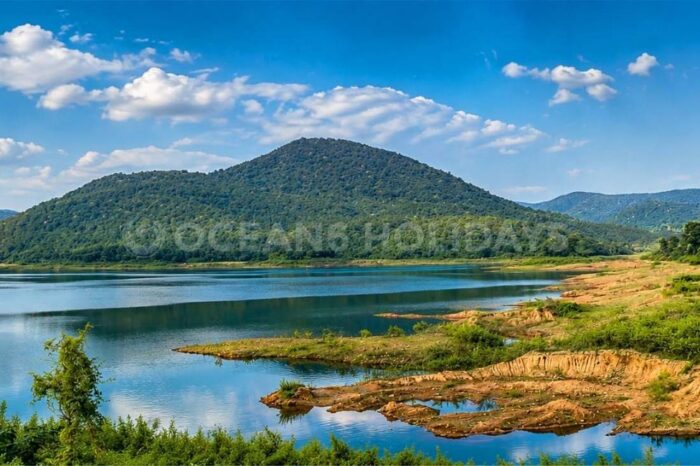
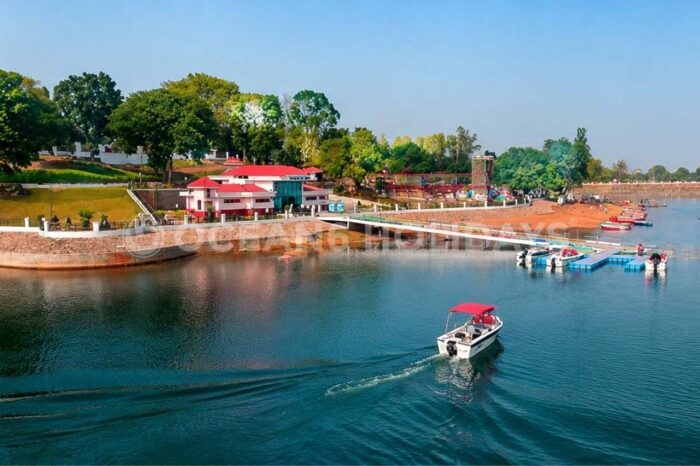
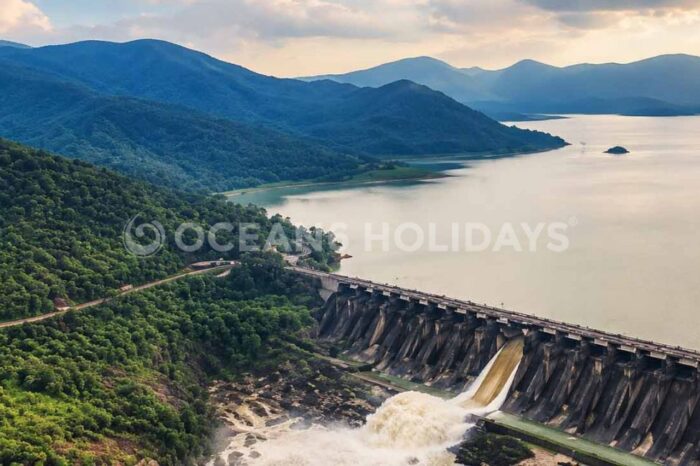
Massanjore is built entirely around its dam on the Mayurakshi river, and the sightseeing here is correspondingly focused. The dam itself offers wide views over the reservoir and a walk along its length, with the surrounding low hills — locally called “pahar” — visible across the water.
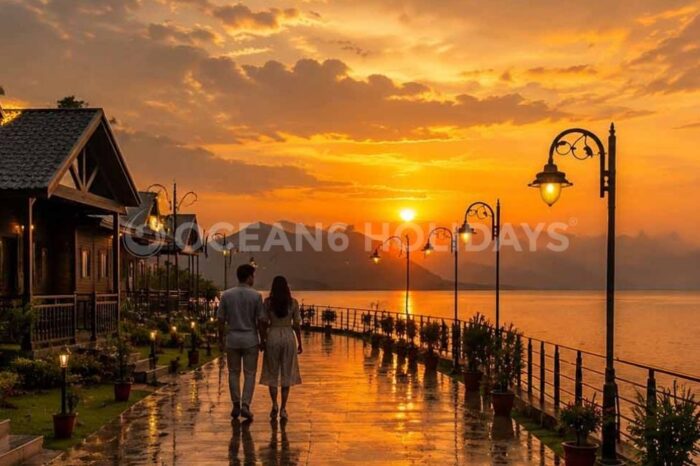
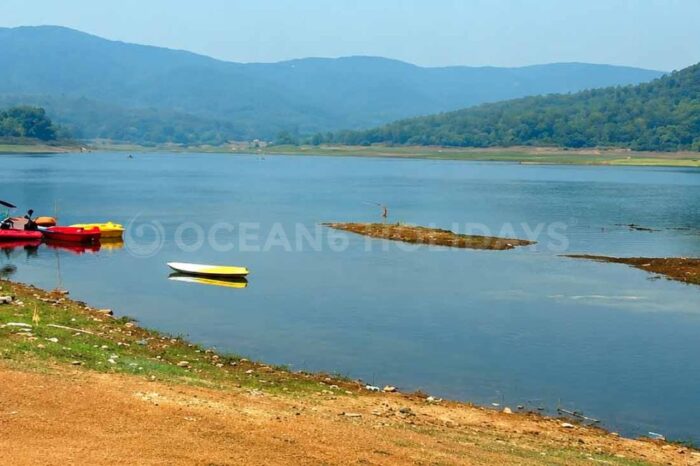
Boating on the reservoir is the main activity, and it’s best done in the early morning or late afternoon, when the light on the water is softer and the heat of the day hasn’t set in. Beyond the dam and the boating, Massanjore doesn’t offer a long list of separate attractions; its appeal is the stillness of a smaller river town rather than a packed sightseeing schedule. It suits travellers looking for a slow one or two-day stop, ideally combined with Deoghar given the relatively short distance between the two, and it may not suit anyone wanting a fuller day-by-day itinerary of distinct sights. This is the shape of the 2N/3D Massanjore Tour.
McCluskieganj is unlike anywhere else on this list. Founded in the early twentieth century as a settlement for Anglo-Indian families, it retains a scattering of colonial-era bungalows, many now aged or partly reclaimed by the forest around them, alongside a small local church and cemetery that record the settlement’s history directly.
The sightseeing here leans toward atmosphere rather than a checklist: quiet forest roads for walking, a small dam and lake nearby for a calm half-hour stop, and low hills that frame the village on most sides. There’s a valley view a short drive from the main settlement that works well in the late afternoon light. What McCluskieganj doesn’t offer is a cluster of major attractions to move between; it rewards travellers who are content to walk its lanes, read a little of its history beforehand, and treat the whole visit as a single, unhurried stop rather than a day divided into multiple sightseeing points. Ocean6 Holidays runs this as the 2N/3D McCluskieganj Tour.
A few practical points apply across all of these destinations, regardless of which combination a traveller chooses.
Waterfalls across the state — Hundru, Jonha, Dassam, Dharagiri, Usri, Lodh and the Ghaghri falls near Netarhat — are at their fullest during and immediately after the monsoon, and considerably thinner by peak summer. Anyone building a trip specifically around waterfalls should plan for the months following the rains rather than the driest part of the year.
Wildlife stops, whether at Betla or Dalma, work best with realistic expectations. A jeep safari or a forest trail is worth doing for the forest itself, the birdlife, and the chance of a sighting — not as a guarantee of seeing a particular animal.
Distances between these clusters are real. Netarhat and Betla sit reasonably close together in the west of the state; Ghatshila, Galudih, Jamshedpur and Dalma form a natural eastern cluster; Deoghar, Giridih and Massanjore group naturally in the north-east. Trying to combine clusters from opposite ends of the state into one short trip usually means more time on the road than at any destination, which is worth weighing before finalising an itinerary.
Each of the tours referenced through this guide covers a different combination of these destinations, and the right one depends on how much time is available, how the traveller wants to pace the days, and which of these landscapes — forest, river, temple town or plateau — genuinely appeals more than the others. Ocean6 Holidays can walk through those choices in detail and put together the combination that fits.
Ask Ocean6 Holidays Before You Book.
98742 84569
98743 61951
Mon-Sat 11.00AM-07.30PM