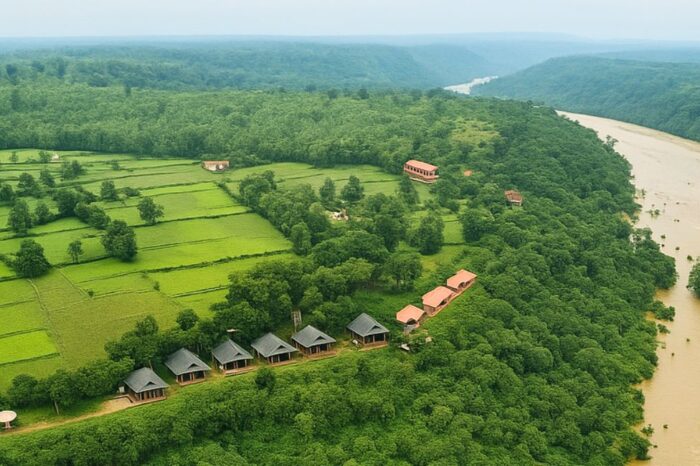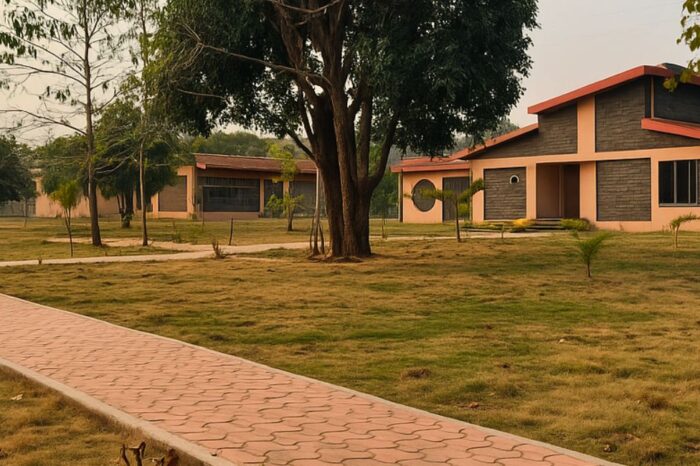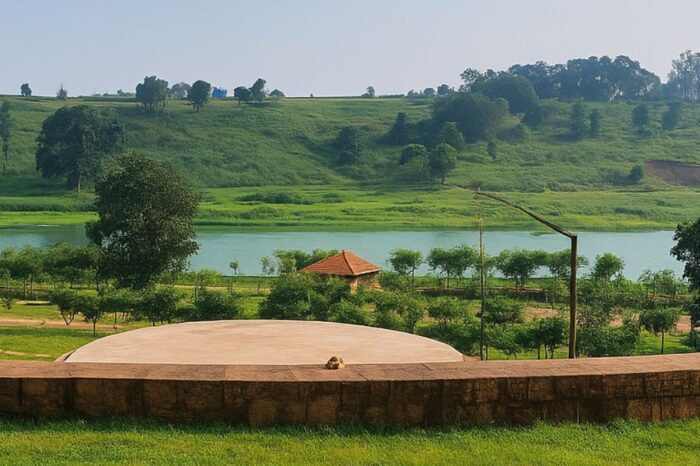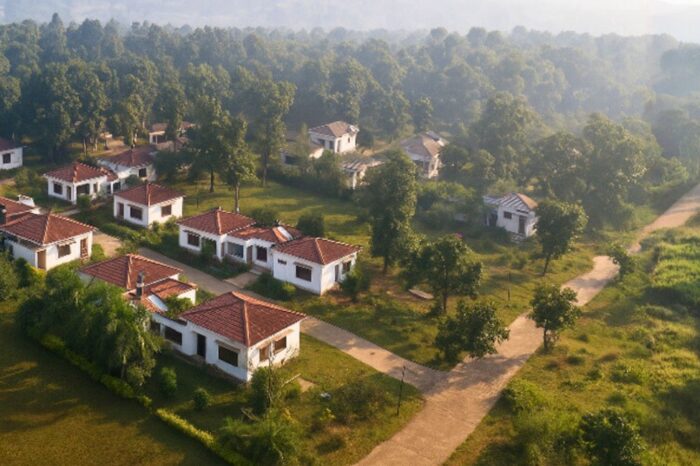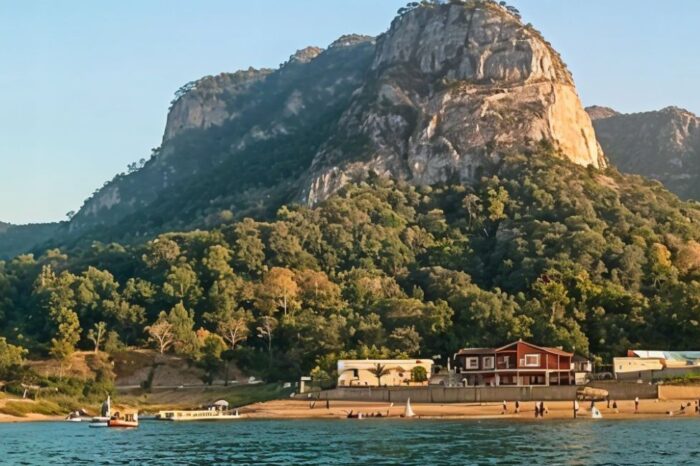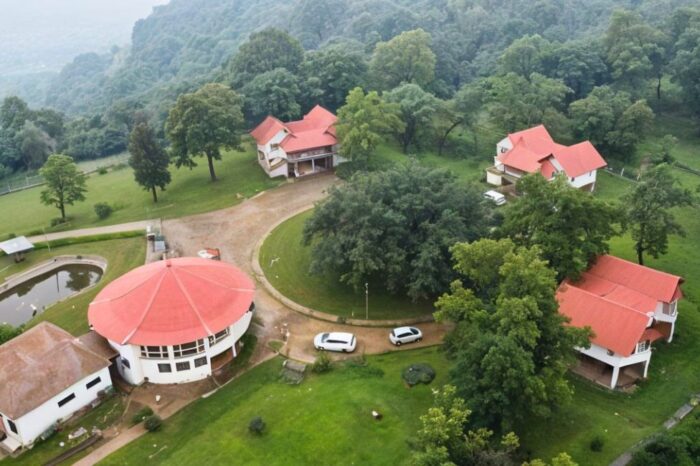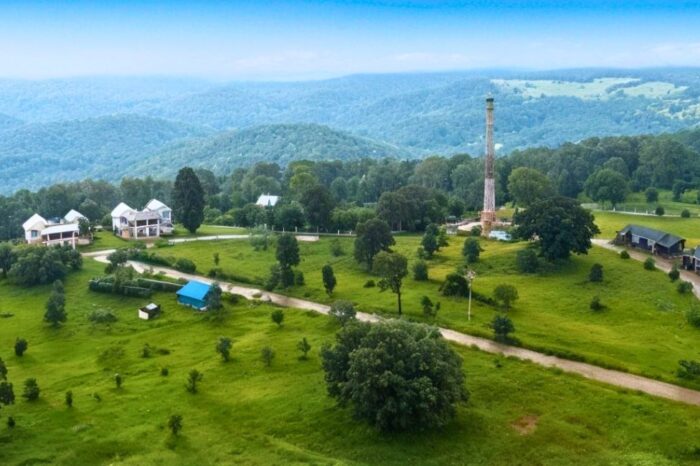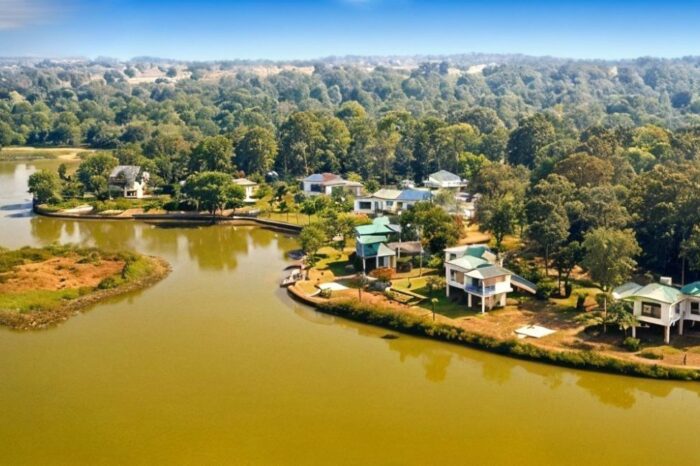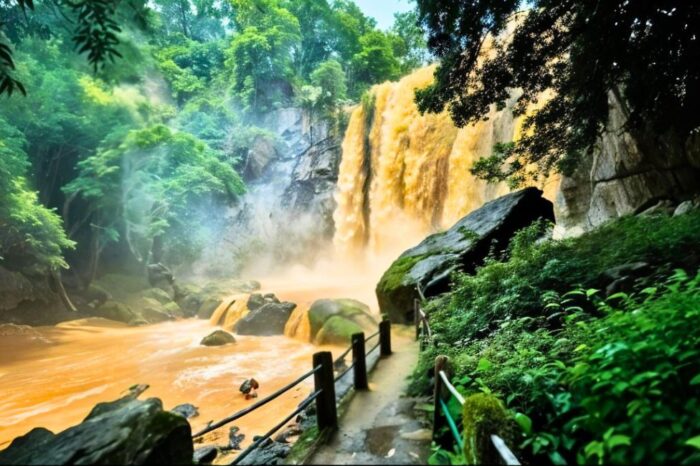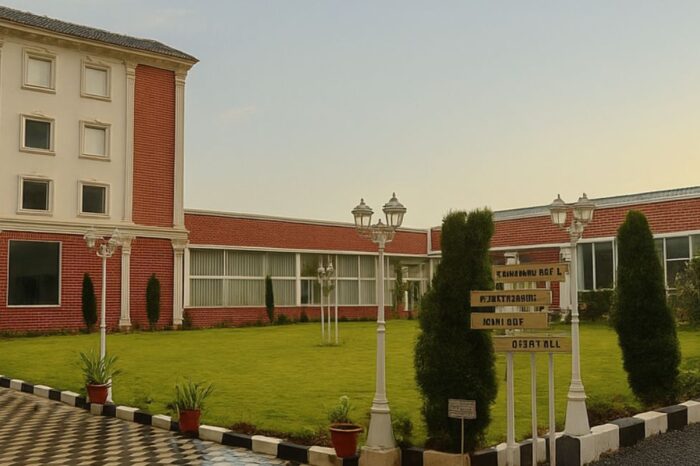
Shree Raam Watika, Gadhiya Hill Watch Tower, Mankeshri Dam & Kuyemari Waterfall
Kapildhara Waterfall, Kabir Chabutra, Sonmuda Amarkantak & Shri Yantra Mandir
Mendri Ghumar Waterfall, Tatamari Hill Station, Keshkal Valley & Honhed Waterfall
Dhaskund Waterfall, Surang Tila, Samoda Dam, Kodar Island & Barnawapara Wildlife Sanctuary
Tiger Point Waterfall, Mehta Point, Thinthini Patthar, Ulta Pani & Tibetan Monastery
Chhattisgarh – A Journey to India’s Tribal Heartland Raw, Rooted, Remarkable – Chhattisgarh. A mystical universe of ancient forests and thundering waterfalls, where tribal songs echo through emerald valleys and sacred temples rise from the wilderness. A land where centuries-old […]
Raw, Rooted, Remarkable – Chhattisgarh.
A mystical universe of ancient forests and thundering waterfalls, where tribal songs echo through emerald valleys and sacred temples rise from the wilderness. A land where centuries-old civilisations left their mark in stone, and nature rewrote the rulebook with cascading falls, dense sal forests, and wildlife that roams free. Chhattisgarh embodies the perfect fusion of tribal culture, untamed landscapes, and forgotten history — creating an off-the-beaten-path wonder that has nurtured ancient kingdoms, preserved rare traditions, and held countless stories waiting to be discovered.
Capital: Raipur
Official Language: Hindi, Chhattisgarhi
Population: 25,545,198 (as of 2011)
Currency: Indian Rupee (INR)
Time Zone: UTC+05:30 (IST)
Area: 135,192 square km
State Formation: 1st November 2000 (carved from Madhya Pradesh)
To truly experience Chhattisgarh, you must walk through its layered past. The state is a living museum of ancient India. Sirpur, once a thriving 5th–8th century city on the banks of the Mahanadi, reveals Buddhist monasteries, Hindu temples, and Jain shrines standing side by side — a rare testament to religious coexistence. The Chhattisgarh Tribal Museum in Raipur is a treasure trove of tribal heritage, showcasing art, artefacts, and the daily life of over 42 tribes that call this state home. Ratanpur, the ancient capital of the Haihaya dynasty, carries centuries of royal history within its crumbling fort walls and sacred ponds.
Chhattisgarh’s architecture is its hidden masterpiece. Bhoramdeo Temple, often called the “Khajuraho of Chhattisgarh,” dates back to the 7th–12th century and is adorned with exquisitely carved erotic sculptures, celestial figures, and intricate friezes on its sandstone facade. The Lakshmana Temple in Sirpur, built in the 7th century, is one of the finest examples of early brick temple architecture in India. The ancient temples at Rajim — the “Prayag of Chhattisgarh” — stand at the confluence of three rivers, their carvings narrating stories of devotion carved in stone across a thousand years.
Chhattisgarh is deeply spiritual. The Danteshwari Temple in Dantewada is one of the 52 Shakti Peethas and a centre of immense faith, drawing lakhs of devotees each year. Rajim’s Rajiv Lochan Temple, dedicated to Lord Vishnu, is one of the most revered Vaishnava shrines in central India. Champaran, the birthplace of the great saint Vallabhacharya, is a significant pilgrimage site for the Vaishnava community. Dongargarh’s Bambleshwari Devi Temple, perched high on a hill and accessible by ropeway, offers both spiritual elevation and breathtaking views across the plains.
Chhattisgarh is a living canvas of tribal culture. The Gondi, Baiga, Halba, Maria, and Muria tribes preserve traditions that are thousands of years old. Their Ghotul institution — a unique tribal social learning system — is one of the most fascinating anthropological wonders in India. Folk art like Dhokra metalwork (lost-wax casting), Bastar wooden craft, and Godna tattoo art are world-renowned. The haunting beats of Madal drums and the swirling colours of Karma and Pandwani dances will stay with you long after you leave. Chhattisgarhi cuisine — with dishes like chila, fara, bafauri, and the locally brewed sulfi — offers a taste of the land’s earth and soul.
Chhattisgarh’s festivals are its heartbeat. The Bastar Dussehra is the world’s longest-running festival — spanning 75 days — and has no connection to the Rama-Ravana narrative. It is a purely tribal celebration in honour of Goddess Danteshwari, featuring rath yatras, rituals, and thousands of tribal participants from across the region. The Rajim Kumbh Mela, held annually at the Triveni Sangam, draws saints, seers, and pilgrims from across the country. Madai Festivals, held across tribal belts, are a riot of local deities, music, markets, and a raw energy that you cannot find anywhere else in India.
Chhattisgarh is India’s green lung, covered in dense forests that account for nearly 44% of its total area. The state is home to tigers, leopards, sloth bears, wild dogs, and one of the healthiest populations of the endangered Barasingha (swamp deer). Kanger Valley National Park is the only biosphere reserve to exist entirely within a national park, complete with subterranean caves and underground rivers. The Indravati National Park in Bastar shelters the rare wild buffalo. And then there is Chitrakote Falls — the “Niagara of India” — a massive horseshoe waterfall on the Indravati River that swells into a roaring curtain of white during the monsoon.
Chhattisgarh is located in the central-eastern part of India. It is landlocked and shares borders with six states: Madhya Pradesh to the north and west, Uttar Pradesh and Jharkhand to the north, Odisha to the east, Andhra Pradesh and Telangana to the south, and Maharashtra to the southwest. The Mahanadi River — one of India’s major rivers — originates here and defines much of the state’s geography. This central position, surrounded by forest and plateau, has kept Chhattisgarh naturally insulated from mass tourism, preserving its raw, authentic charm.
Chhattisgarh experiences three distinct seasons. Summers (March–June) are hot and humid, with temperatures reaching 45°C in the plains — not ideal for travel. Monsoon (July–September) transforms the landscape dramatically — waterfalls rage, forests turn electric green, and Chitrakote Falls is at its spectacular best. The best time to visit is October to February, when the weather is cool and pleasant, wildlife sanctuaries are open, and the major festivals of Bastar Dussehra and Rajim Kumbh Mela take place.
By Road: Chhattisgarh is well connected via national and state highways. NH-30, NH-43, and NH-130 are the major arterial roads. State-run buses, private coaches, and taxis operate across the state. Road trips through the forest corridors of Bastar and Kanger Valley are especially scenic and recommended.
By Rail: Raipur is the primary rail hub, well connected to major cities including Delhi, Mumbai, Kolkata, Bhopal, Nagpur, and Hyderabad. Bilaspur is another major railway junction in the state. Train travel is the most popular and convenient way to reach Chhattisgarh from across India.
By Flight: Raipur’s Swami Vivekananda Airport is the state’s main airport, with regular domestic flights to Delhi, Mumbai, Hyderabad, Bengaluru, Bhopal, and Kolkata. Jagdalpur also has a small airport with limited connectivity. For wider international access, Nagpur (300 km away) and Raipur both serve as viable gateways.
Chhattisgarh’s history is ancient, layered, and largely untold. The region finds mention in the Ramayana — the forests of Chhattisgarh are believed to be part of Dandakaranya, where Lord Ram spent years of his exile. Archaeological excavations at Sirpur reveal a thriving civilization from the Gupta period (4th–6th century AD). The Haihaya (Kalachuri) dynasty ruled for centuries, followed by the Chalukyas of Bastar and the Marathas under the Bhonsle clan. During British rule, the region was part of the Central Provinces. On 1st November 2000, Chhattisgarh was carved out of Madhya Pradesh and became India’s 26th state — young in statehood, ancient in soul.
The capital city of Chhattisgarh is a fast-growing urban centre that balances the old with the new. Raipur is the commercial and administrative heart of the state. The Mahant Ghasidas Memorial Museum here is one of the best natural history museums in central India, housing prehistoric artefacts, tribal art, and sculptures from ancient temples across the state. Marine Drive — Raipur’s lakeside promenade along Telibandha Lake — is a popular evening gathering point. Nandanvan Jungle Safari, on the outskirts of the city, offers one of India’s most unique wildlife experiences where big cats and herbivores roam in large enclosures. Raipur is your launchpad for all of Chhattisgarh’s wonders.
The gateway to Bastar, Jagdalpur is a city that pulls you into a world entirely different from mainstream India. It is the cultural capital of the tribal belt, and its weekly market — the Jagdalpur Haat — is a sensory explosion where tribal communities trade everything from forest produce to handcrafted jewellery. Jagdalpur is home to the Bastar Palace, a colonial-era royal residence that still stands in quiet dignity. The city is also the nerve centre for experiencing the epic Bastar Dussehra. From here, you can access Chitrakote Falls (38 km), Kanger Valley National Park, and the ancient cave systems of Kutumsar and Kailash.
If Rajasthan has its golden deserts, Chhattisgarh has its thundering falls. Chitrakote — the Niagara of India — is the crown jewel of Chhattisgarh’s natural wonders. Set on the Indravati River, this horseshoe-shaped waterfall plunges dramatically into a deep gorge, often draped in a veil of mist and rainbow. During the monsoon, it swells to over 300 metres in width — a jaw-dropping sight. Boat rides to the base of the falls are available during calmer months. The surrounding forest and red laterite rocks make for stunning photography. This is not just a waterfall; it is a force of nature that commands respect and wonder in equal measure.
Bastar is not a city — it is a world unto itself. This ancient kingdom, now a district, is one of the last great tribal frontiers of India. The Gond and Maria tribes here have preserved ways of life unchanged for centuries. Their art — Dhokra castings, terracotta, bamboo craft, and tribal jewellery — is recognised internationally. The dense forests of Bastar shelter wild elephants, tigers, leopards, and the rare wild buffalo. The Indravati National Park here is one of the least disturbed wildlife habitats in the country. Visiting Bastar is like stepping into a parallel world — raw, proud, and profoundly humbling.
For history lovers, Sirpur is the equivalent of an open-air museum. Once a prosperous capital of the Sharabhapuriya and Somavamshi dynasties, Sirpur flourished between the 5th and 12th centuries AD and was visited by the great Chinese pilgrim Hiuen Tsang. Excavations here have unearthed over 100 temples, monasteries, and civic structures. The Lakshmana Temple, built entirely of brick in the 7th century, is a structural marvel. Buddhist viharas, Jain temples, and Hindu shrines stand together in this archaeological zone — a reminder that Chhattisgarh was once a beacon of pluralism and learning.
India has many national parks. Kanger Valley is in a class of its own. Located near Jagdalpur, it is the only biosphere reserve located entirely within a national park in India. The park is home to the endangered Hill Myna (the state bird), leopards, jackals, giant squirrels, and the Bastar Hill Myna. But its real magic lies underground. The Kutumsar Caves — discovered in 1900 — are among India’s longest and deepest natural limestone caverns, home to a rare species of blind cave fish found nowhere else. The Tirathgarh Falls within the park cascade down 300 feet in a series of steps through dense forest — one of Chhattisgarh’s most beautiful natural sights.
Mainpat is Chhattisgarh’s best-kept secret. Perched at 1,000 metres on the Mahamaya plateau in Surguja district, it is rightfully called the “Shimla of Chhattisgarh.” Tibetan refugees settled here in the 1960s and brought with them Buddhist monasteries, prayer flags, and a unique culture that blends seamlessly with the tribal landscape. The Eco Park here has a fascinating “jumping water” stream where the water appears to bounce on the rocks due to underground pressure. The waterfalls, meadows, and pine-scented air make Mainpat a retreat that rewards those willing to venture off the standard itinerary.
Think of Bhoramdeo as Chhattisgarh’s answer to Khajuraho — but without the crowds. Located in the forests of Kabirdham district, the Bhoramdeo Temple complex dates back to the 9th–12th century and features stunning sandstone carvings of gods, celestial musicians, erotic figures, and intricate geometric patterns. The main temple is dedicated to Lord Shiva and is set against the backdrop of the Maikal Hills. Three temples form the Bhoramdeo complex, and the surrounding forest, along with a tranquil lake, adds to the mystical atmosphere. It is a site that rewards slow, mindful exploration.
Part of the Achanakmar-Amarkantak Biosphere Reserve, this tiger reserve in Bilaspur district is one of the richest biodiversity zones in central India. Dense sal and teak forests shelter tigers, leopards, wild dogs, sloth bears, wolves, and over 150 bird species. The reserve is also a critical corridor linking the forests of Chhattisgarh with those of Madhya Pradesh. For wildlife photographers and nature enthusiasts, Achanakmar offers the thrill of a true wilderness encounter — far from the over-touristed circuits.
98742 84569
98743 61951
Mon-Sat 11.00AM-07.30PM