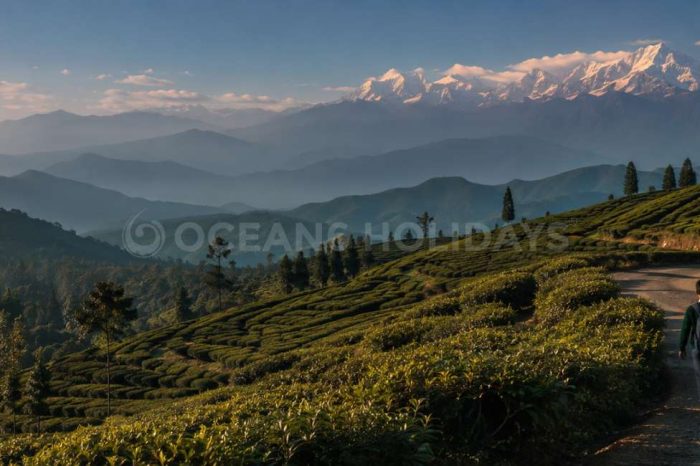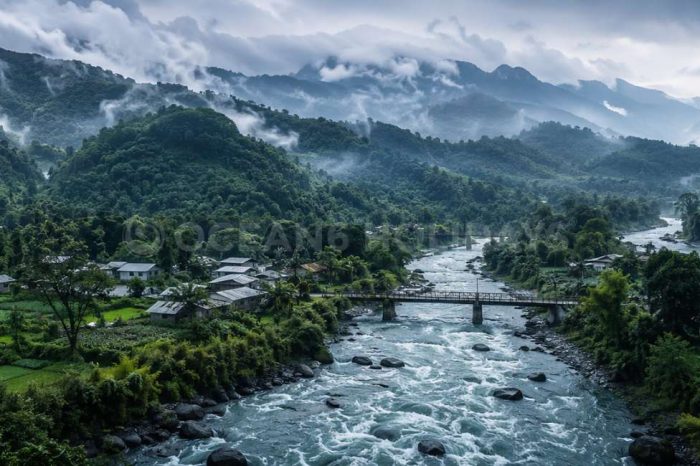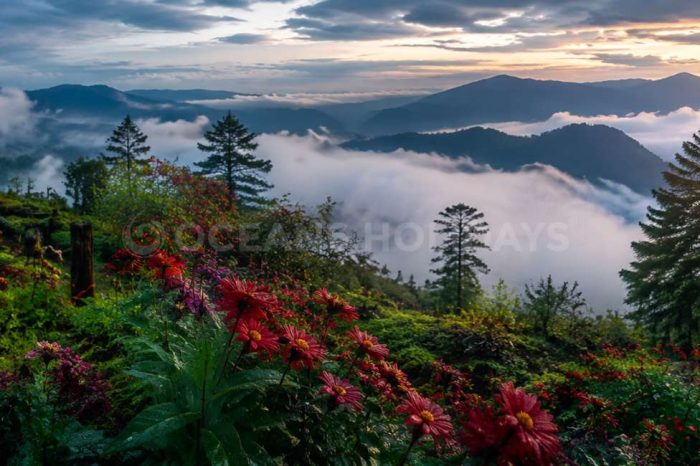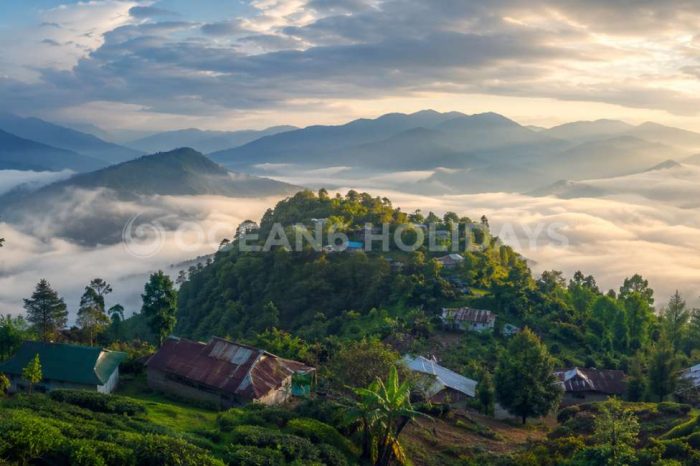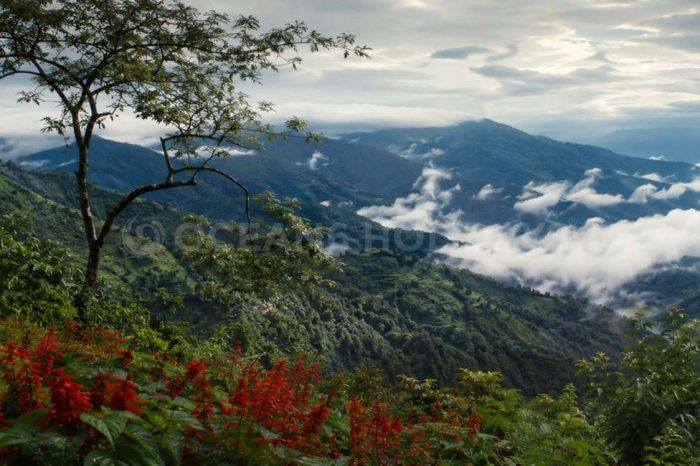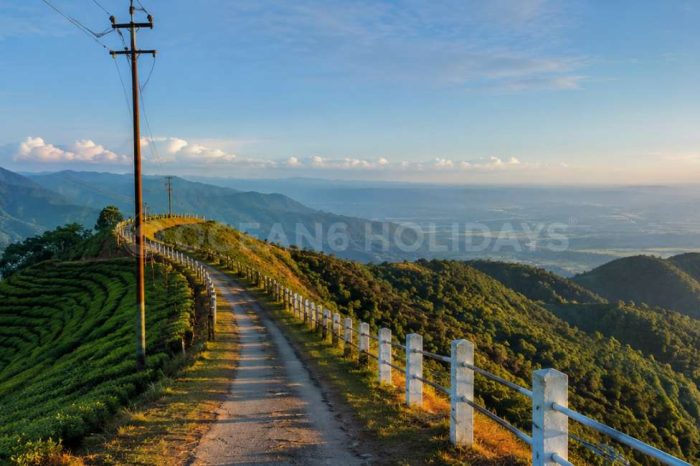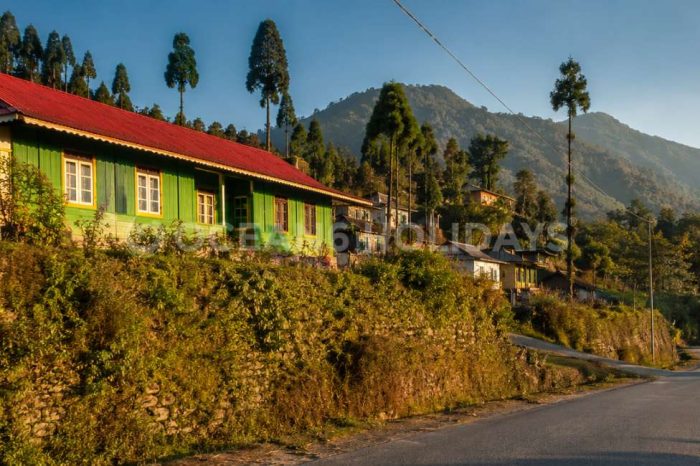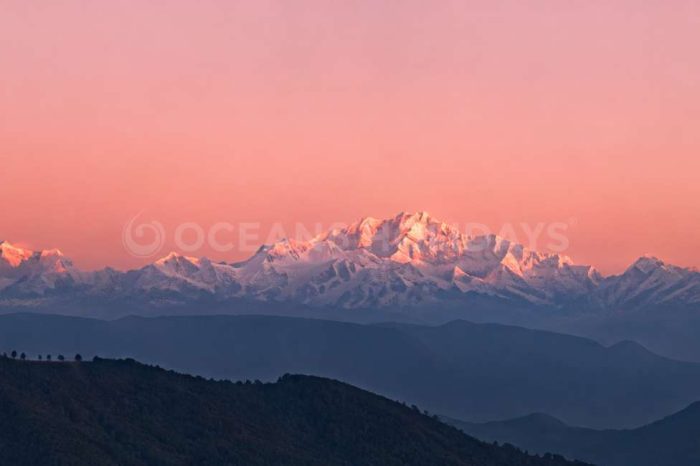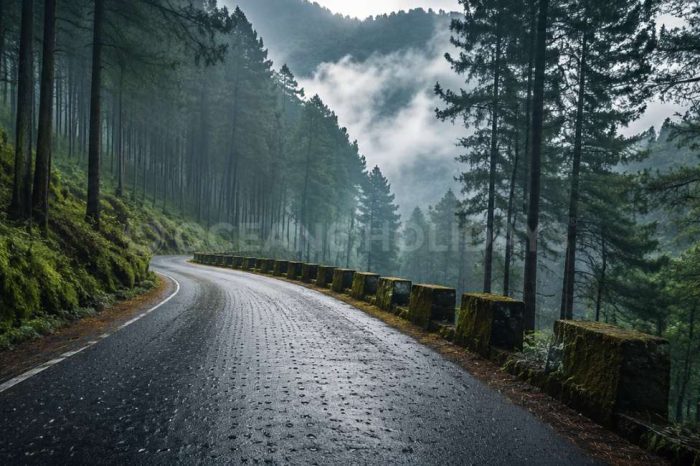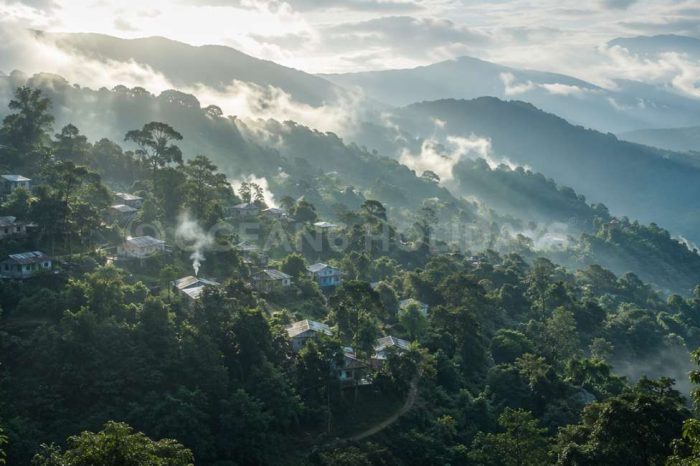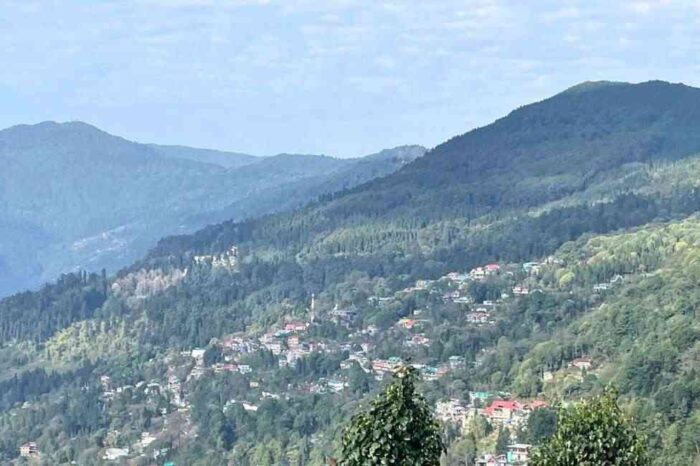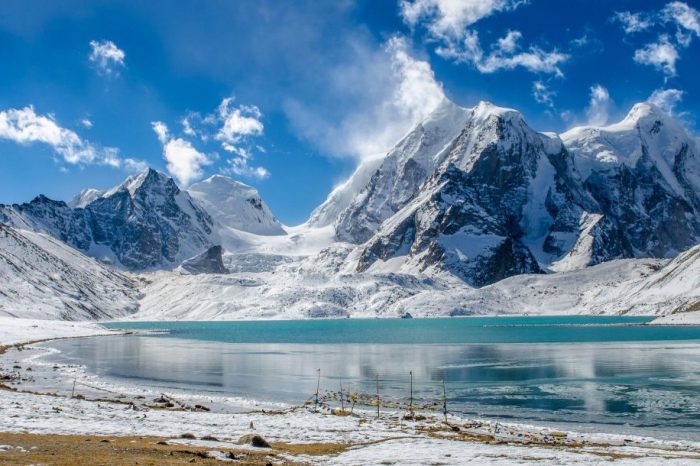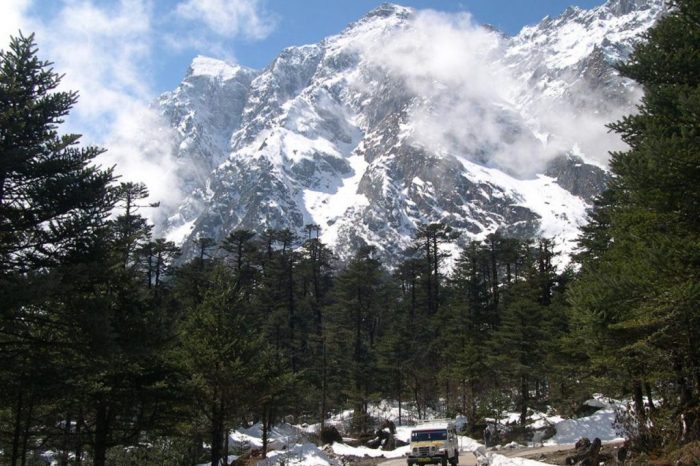
Mt.Khangchendzongha, Bird Watching, Sunrise & Sunset, Nature Trails, Forest Walk

Silence, Mt.Khangchendzongha, Bird Watching, Nature Walks, Local Food, Local People
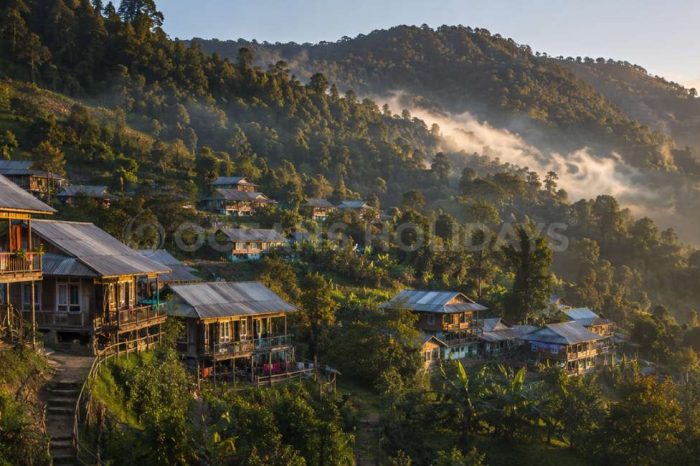
Mt.Khangchendzongha, Bird Watching, Orange Orchards, Tea Gardens, Nature Trails, Rural Village
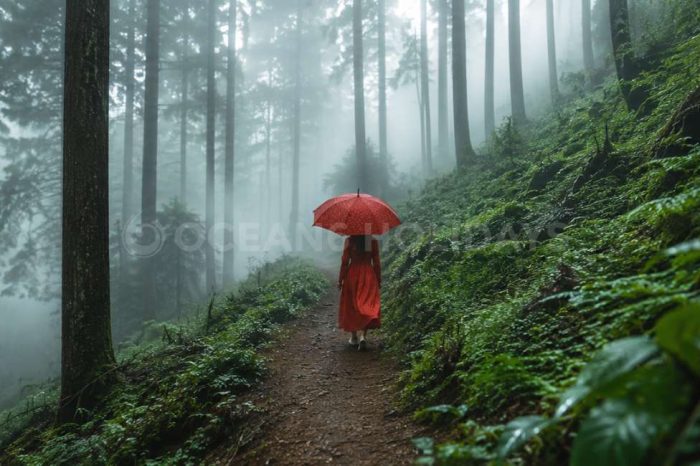
Bengal Offbeat: A Complete Sightseeing Guide to the Hill Villages, Dooars Forests and Rural Circuits
A homestay run by a local family, a walk through tea gardens, a viewing point for Mt. Kanchenjunga that delivers on a clear morning and vanishes behind cloud on a cloudy one, and a quiet evening with nowhere in particular to be. That isn’t a criticism. It’s exactly what draws travellers away from Darjeeling town and its crowds in the first place. But it does mean the honest job of a guide like this isn’t to pretend every hamlet is unique — most aren’t — but to point out, village by village, what actually separates one from another: an orange orchard here, a monastery there, a river stream running past the homestay window somewhere else, a rock face associated with a mountaineering legend a short walk from breakfast.
This guide works through all forty-one of Ocean6 Holidays’ Bengal offbeat tours in that spirit: what there is to actually see and do at each, not a repeated paragraph of “misty hills and warm hospitality” copied across forty different names. It covers the Darjeeling hill belt — by far the largest cluster — followed by the Kalimpong hills, the Mirik and Dooars zones, and finally the rural lake-and-terracotta country of Purulia and Bankura, which has almost nothing to do with the hills at all and is worth understanding as its own, separate trip.
Given the number of villages involved, some repetition of theme is unavoidable — tea gardens and Kanchenjunga views genuinely recur across two dozen names — but where a village has something specific to it, that specific thing gets the space here, not a generic write-up.
It’s also worth saying plainly what this guide is not. It isn’t a ranking, and it doesn’t try to argue that one village is objectively better than another — for most of these names, that would be a false distinction anyway, since the underlying experience is so similar. What it does try to do is give a traveller enough specific, factual detail about each name to make an informed choice between them, in keeping with how Ocean6 Holidays approaches every recommendation: understand what the traveller actually wants first, then point to the option that genuinely fits, trade-offs included.
Given how many of these hamlets sit within a fairly narrow radius of each other, it helps to be direct about what genuinely changes between them. The base experience — homestay, tea garden, a nature trail, a Kanchenjunga viewing point — repeats across most of the Darjeeling and Kalimpong belt. What differs, and what’s worth choosing on, is the specific addition each village carries: an orange orchard in fruiting season, a river running past the homestay, a monastery, a wildlife sanctuary edge, a named rock face, a museum, or simply a quieter, less-visited version of a busier neighbour.
A second, less obvious differentiator is crowd level. Some of these villages — Lava, Lamahatta, Takdah — are established enough to see a steady flow of visitors in peak season, with a slightly wider choice of homestays and a functioning local market as a result. Others — Rishop, Chibbo, Pabong, Kankrajhor — exist specifically as the quieter alternative a few kilometres further on, with fewer facilities but a stronger sense of stillness. Neither is “better.” A traveller who wants company, a market to wander through, and a bit more choice at dinner should lean toward the established names; a traveller whose whole reason for coming is silence should deliberately choose the quieter one, even knowing the trade-off.
A third factor worth naming plainly: several villages on this list sit close enough to each other that combining two or three makes more sense than treating any single one as a full trip. This guide flags those natural pairings as they come up, rather than leaving the reader to work them out from a map afterward.
A fourth point is more structural than experiential, but worth knowing before choosing: almost every tour in this collection runs to the same length, a short two-night, three-day stay built around a single village. That’s long enough to settle into the homestay rhythm and cover the local walk or viewpoint properly, without the trip becoming a race between sights the way a longer, multi-stop itinerary can. It also means the real planning decision isn’t how many days to spend at any one village — that’s largely fixed — but how many of these short stays to string together, and in what order, given how differently each cluster is reached.
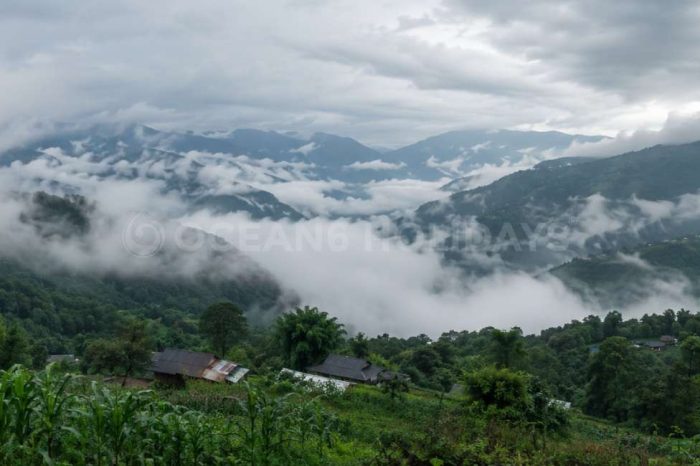
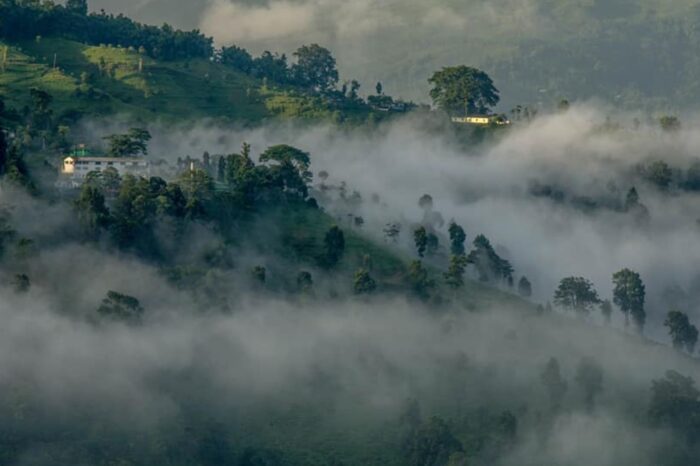
Across nearly all of these hill villages, a similar rhythm applies, and it’s worth describing once rather than repeating it forty times over. Mornings start early, usually with the mist still sitting in the valley, a short walk through the garden before it burns off, and tea or a simple breakfast with the host family. The middle of the day is for the nearest trail, viewpoint or forest edge, rarely more than an hour or two on foot — these are villages built for a slow half-day out and back, not a full-day trek. Evenings have little on the schedule beyond sitting outside and watching the light change over the hills, often with the family who runs the homestay rather than in a separate dining room, and dinner is generally whatever the kitchen is cooking that day rather than a menu to choose from.
This is also, for many travellers, the actual appeal of the offbeat circuit over Darjeeling town itself. Tiger Hill’s main viewing deck and Mall Road get crowded well before sunrise in season, and much of the draw of a village like Chatakpur or Tinchuley is simply the same range, the same light, without the queue. It’s worth being honest, too, about what this rhythm doesn’t include: nightlife, restaurant choice, or reliable mobile signal in several of these villages. The trade is deliberate, and it suits a specific kind of traveller — someone who came for the quiet, not someone hoping for a fuller-service hill station experience with a homestay attached.
With four clusters and forty-one names to choose from, it helps to start from the traveller rather than the map. Someone whose main interest is the mountain itself — reliable Kanchenjunga viewpoints, tea-garden walks, an easy pace — is best served by the Darjeeling belt, and specifically by one of the more established names like Takdah, Tinchuley or Lamahatta if this is a first visit to this kind of village. Someone who wants forest, monastery culture and a genuinely quieter stay should look to Kalimpong instead, starting with Lava if some company and a functioning market still matter, or Rishop and Kolakham if they don’t.
Serious birders are better off building a trip specifically around Latpanchar, Chatakpur, Kolakham and Lepchajagat rather than spreading themselves across orchard or monastery villages that happen to carry birdwatching as a secondary feature. Travellers whose interest is tea itself, rather than the view around it, should prioritise Tukvar or Rangaroon for the working tea trails, and anyone chasing orange orchards specifically has three near-identical options in Sittong, Ghalaytar and Chhota Mangwa.
Anyone extending a Mirik Lake trip has a natural, low-effort add-on in Rangbhang; anyone curious about tribal and forest-edge life at lower altitude, without chasing a mountain view, should look to Chengmari in the Dooars instead. And travellers who want lakes, low hills and terracotta heritage without any hill driving at all belong in the Purulia cluster — Baranti or Murguma for the lake-and-dam landscape, Barjora or Kankrajhor if temple architecture is the specific draw.
The Darjeeling belt is where most of Ocean6 Holidays’ Bengal offbeat portfolio sits, and for good reason: this is the historic tea-growing heart of the region, and nearly every village below sits on or beside a working estate. Twenty-five separate tours fall into this cluster, which is a lot to hold in one’s head at once — so the villages below are grouped by what stands out most about each, moving from the more established tea-estate stays through to the smaller, more specific detours.
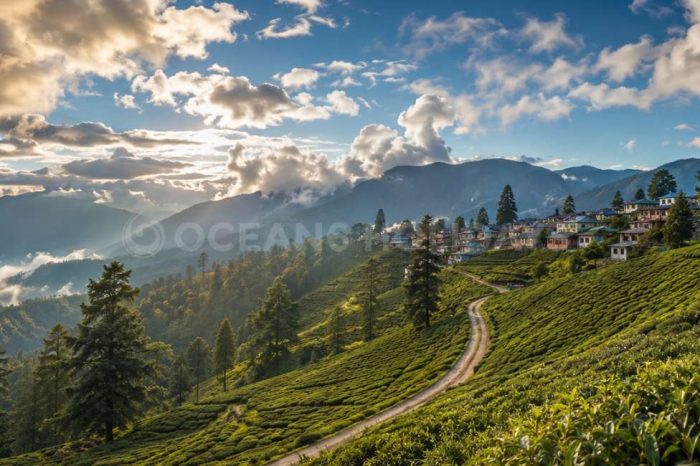
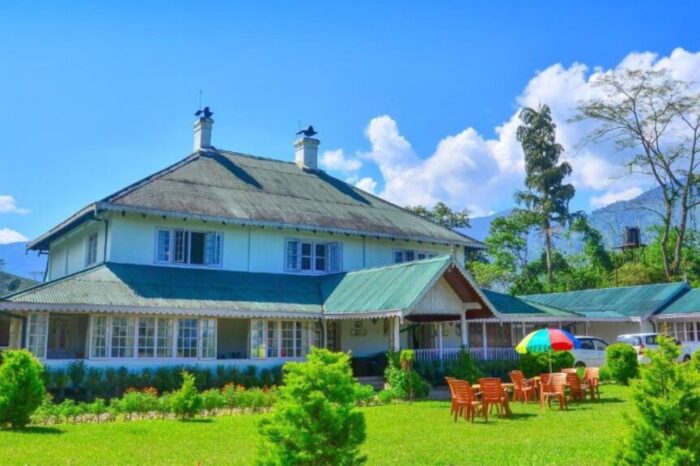
Takdah Tea Estate is one of the more established names in this belt, built around a working tea garden with a scattering of British-era bungalows still standing from the estate’s colonial period. The appeal here is less a single sight than the setting itself: walking paths through the tea rows, a genuinely cool hill climate even in summer, and a slower pace than most of Darjeeling town offers. Because it’s one of the better-known names on this list, it also tends to have a slightly wider spread of homestay options than the smaller villages nearby, which makes it a reasonable first stop for anyone new to this kind of tea-estate travel rather than a confirmed hill-village regular.
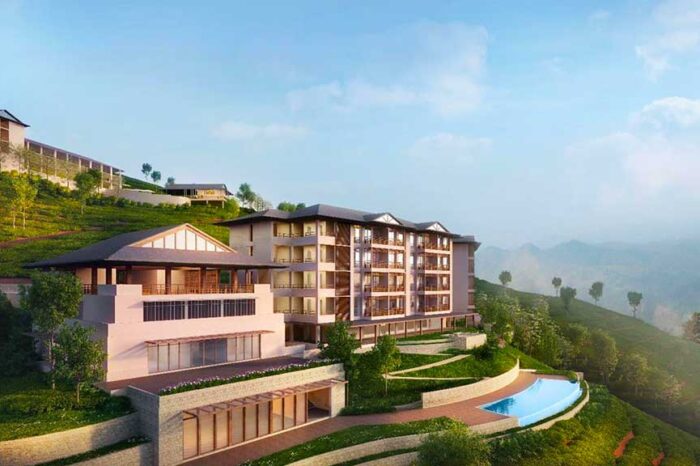
Poobong Tea Resort follows a similar pattern a little further along the same tea belt, combining an estate stay with wider Darjeeling hill views. The estate itself is larger and the property leans a touch more toward resort-style comfort than the plainer homestays found elsewhere on this list. It works well paired with Takdah for travellers who want to compare two tea-estate settings within a short drive of each other, rather than committing a full trip to just one.
Dawaipani keeps the same tea-garden-and-hills pattern but with a more homestay-led, less resort-style feel than Takdah or Poobong. The walking here tends to be shorter and more casual, which suits travellers who want the scenery without a long trail attached to it, and the mountain views open up gradually rather than from one dramatic fixed point.
Tukdah, close in name and character to Takdah, offers essentially the same tea-and-mountain combination in a quieter, less-visited village — a reasonable choice for anyone who likes the sound of Takdah but would rather have the place closer to themselves, at the cost of a smaller local market and fewer homestay choices.
Sittong is the best known of Bengal’s orange-growing villages, and the orchard walk here is a genuinely different experience from the plain tea-garden walk found elsewhere in the belt — particularly in fruiting season, roughly across the winter months, when the trees are visibly loaded and the smell of citrus follows the path through the village. Birdwatching and short hill walks round out the day, and the homestays are simple, family-run affairs rather than resort-style properties, which fits the generally low-key character of the visit.
Ghalaytar combines the same orange-orchard character with tea gardens and a Kanchenjunga outlook, making it a slightly fuller day than Sittong alone — orchard in the morning, tea-garden nature trail in the afternoon, mountain view at either end if the sky cooperates. The rural village setting means facilities are minimal, which is part of the appeal rather than a drawback for most travellers who choose it.
Chhota Mangwa rounds out this small cluster with the same orchard-and-tea combination, set in a quieter rural village with its own nature trails and bird life. Travellers choosing between these three orchard villages are really choosing on availability and pace rather than any major difference in what’s on offer, and any one of them makes sense as a two-night stop rather than a longer commitment.
Tukvar centres on a working tea estate with its own marked tea trails, useful for anyone who wants to understand how the leaf is actually grown and picked rather than simply looking at gardens from a distance. Birdwatching and a Kanchenjunga outlook fill out the rest of the stay, and the estate’s proximity to Darjeeling town makes it a workable half-day add-on for travellers not staying overnight, as well as a full standalone visit.
Rangaroon, nearby, swaps the marked tea trail for a forest walk and nature trail along the tea-garden edge — a slightly wilder version of the same working-estate setting, set in a small rural village where the pace slows further once the day’s walk is done.
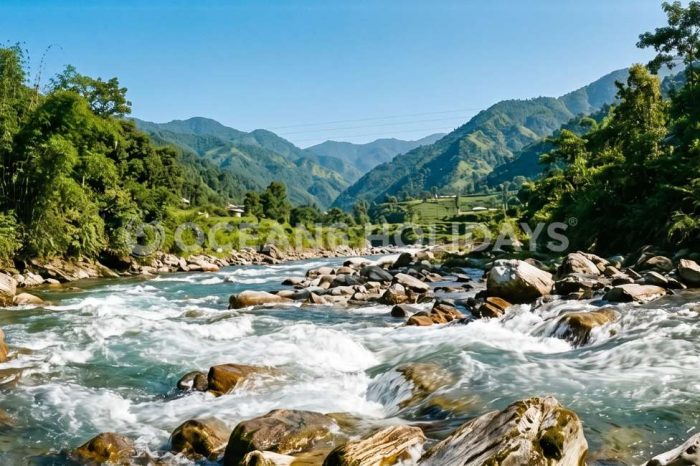
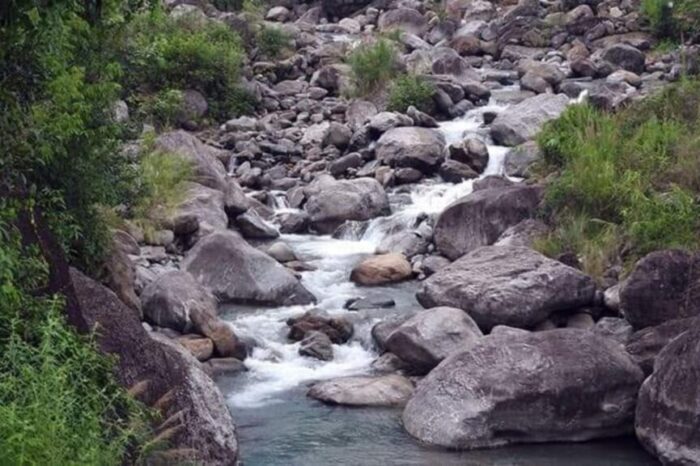
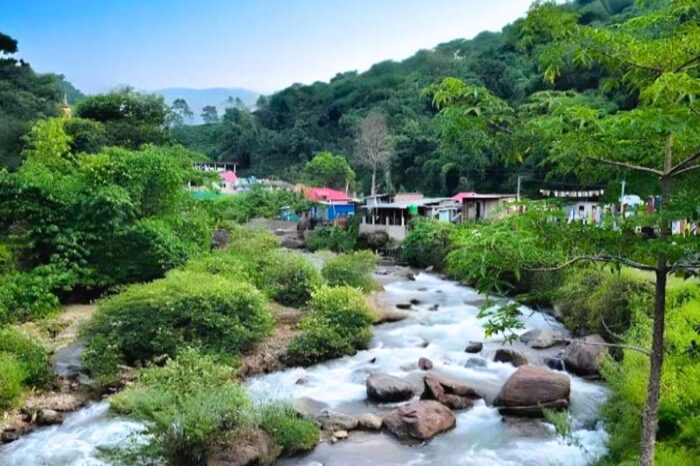
Bijanbari sits in the lap of the Himalaya with a river stream running close to the village, alongside the usual tea gardens, birdwatching and Kanchenjunga outlook. The stream adds a different sound and a different walk to the standard hill-village pattern — worth choosing specifically if a running river matters more to the trip than altitude or a wide mountain view, since the village itself sits lower than several of its neighbours.
Tabakoshi follows the same river-stream pattern within its own tea gardens and hills, with a genuinely calm, clear-sky setting that photographs well early in the morning before the day’s heat sets in. The homestays here are small and family-run, and the river gives the evening a different backdrop than the usual hillside sunset routine.
School Dara, at a useful elevation with clear night skies, adds star gazing to the tea-and-river combination — one of the better spots in this belt for a clear-weather night, worth timing a stay around if that’s the specific draw. The daytime pattern otherwise follows the belt’s usual tea-garden walk and river-stream stop.
Nagri leans toward wellness and yoga stays rather than pure sightseeing, set against the same tea-garden-and-river backdrop found across this group. It suits travellers who want the hills as a backdrop to slowing down rather than a place to walk through quickly, and the daily structure here tends to be looser and less itinerary-driven than at most of the other villages on this list.
Pokhriabong follows the tea-and-homestay pattern common across this belt with small lakes added to the mix, giving it a slightly softer, more open landscape than the purely forested villages nearby. The lake walk works as an easy addition to the standard hill-and-garden day rather than a destination that needs a full afternoon of its own.
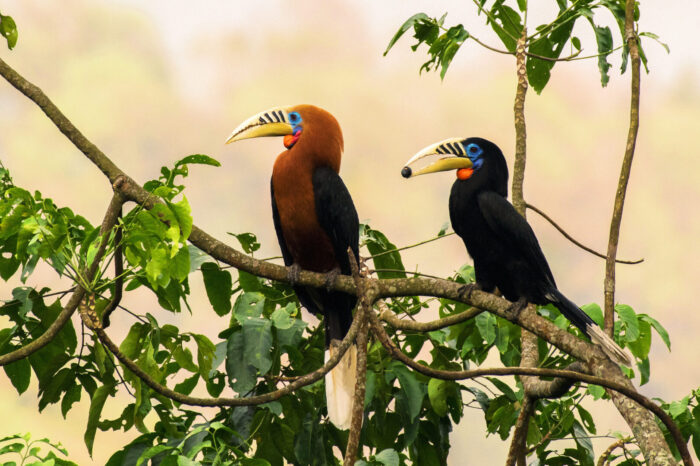
Latpanchar, on the edge of Mahananda Wildlife Sanctuary, is one of the better-known birding stops in North Bengal, and it’s worth the visit specifically for that reason rather than as a general sightseeing stop; soft treks and a Kanchenjunga view round out the day. Serious birders tend to build entire itineraries around this one village rather than treating it as a stop along a wider circuit.
Chatakpur sits near Senchal Wildlife Sanctuary and close to Tiger Hill, useful both for birding and wildlife spotting through the day and, for early risers, as a quieter alternative sunrise point to the crowded main Tiger Hill viewing deck. The rural village setting keeps it low-key even though the location, geographically, is close to one of Darjeeling’s busiest tourist sites.
Lepchajagat, set in dense forest near Ghoom, is one of the quieter birding villages in the belt, with a small local market and nature trails rather than a headline sight to build a day around. The forest cover here is thicker than at most of the tea-estate villages, which changes both the temperature and the birdlife noticeably.
Chibbo combines birdwatching with tea gardens and nature trails in a small rural village, a fair pick for travellers who want the birding without committing to a more remote stay like Latpanchar or Kolakham. Local food here tends to be a genuine highlight of the stay rather than an afterthought.
Mairung Gaon has its own named forest trail alongside birdwatching and a sunrise-and-sunset routine, close to Sittong and sharing some of its rural character, though without the orange orchards that define its neighbour.
Pabong builds its day specifically around sunrise and sunset, with birdwatching and forest walks filling the middle hours — a good pick for travellers whose main goal is simply watching the light change over the range, unhurried, rather than covering a checklist of trails.
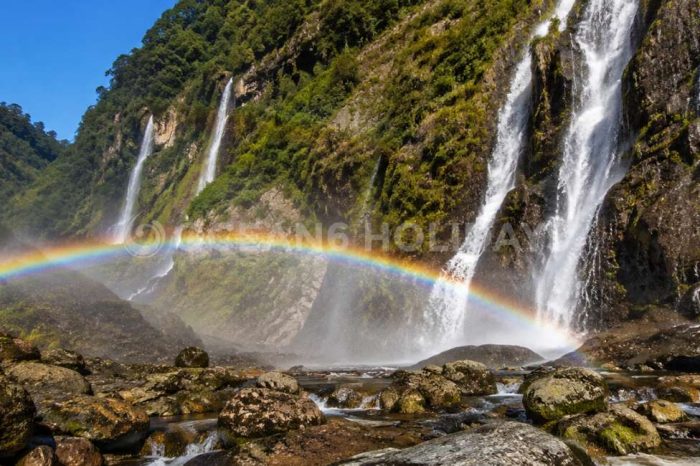
Rongbull adds a waterfall to its tea-garden-and-sunrise routine that, in the right light, throws a visible rainbow — a specific enough draw to be worth planning the timing of a visit around, ideally on a clear morning rather than an overcast one.
Mungpoo, in the Kurseong hills, has a small museum connected to Rabindranath Tagore’s stays in the area, alongside the cinchona plantations the wider region is known for — a genuinely different kind of stop from the tea-and-view pattern found elsewhere on this list, and worth building a little extra time into the day for the museum visit specifically.
Lamahatta pairs its tea-estate stay with Tenzing Rock, a rock face associated with early mountaineering practice, and a monastery stop, giving it slightly more to actually do in a single day than most villages here. Its “Happy Valley” setting also gives it one of the more open, expansive outlooks in the belt.
Bara Mangwa adds a Teesta valley view to its Kanchenjunga outlook, useful for travellers who want the river as well as the mountain in their photographs, set within the same tea-garden framework as its neighbours but with a distinctly wider valley panorama.
Tinchuley, one of the more established names in this circuit, combines the standard tea-and-view pattern with reliably good sunrise and sunset viewing decks — a dependable choice for travellers who specifically want that view without much uncertainty about where to stand for it, and a common pairing with Takdah or Lamahatta for a slightly fuller trip.
Taken together, this belt suits travellers who want a slow, walkable hill stay with a realistic — not guaranteed — mountain view, home-cooked food and short, easy trails. It suits fewer people looking for one dramatic sight to build an entire day around, since the reward here is the pace, not a landmark.
Kalimpong’s ten offbeat villages shift the emphasis from tea gardens to forest and monastery culture, and the pace here tends to be quieter still than the Darjeeling belt. Where Darjeeling’s villages differ mainly in which tea-garden feature they add, Kalimpong’s differ more sharply in character — from an established monastery town to a riverside cottage stay to a rural village bordering a national park.
Lava is the best known of the group, built around a monastery of the Kagyu Buddhist order and the edge of Neora Valley National Park, with forest trails leading out from the village and a small local market worth a slow walk through. Birdwatching and a Kanchenjunga outlook round out the stay, and Lava’s relative popularity means it also has the widest choice of homestays in this cluster.
Rishop sits close to Lava and has become the quieter alternative for travellers who find Lava busier than they’d like — the same Kanchenjunga outlook and forest walks, with considerably less foot traffic. The stay itself leads with “silence,” and that’s genuinely the point: local food, local people, and very little else on the schedule beyond the view and the walk.
Kolakham goes further into the forest again, close enough to Neora Valley to draw serious birders and the occasional wildlife sighting in its dense canopy cover. Sightings depend on patience rather than a set schedule, and the rural village setting is among the more remote on this list, which suits travellers who specifically want that remoteness rather than a village with a functioning market.
Pedong carries a different kind of history — an old staging town on the former Kalimpong-Tibet trade route, with hillside homestays that reflect that trading-post past rather than a purely scenic setting. It’s a good pick for travellers with an interest in the region’s trade and border history alongside the usual hill scenery, and its layout as a former town, rather than a purely rural hamlet, gives it a slightly different rhythm from the smaller villages nearby.
14 Phatak is built around its cinchona plantations, the same quinine-producing trees found near Mungpoo, set against a Kanchenjunga backdrop that makes the walk through the plantation rows worth the stop on its own — a genuinely different kind of agricultural landscape from the tea gardens found everywhere else on this list, and a useful stop for travellers curious about the region’s colonial-era plantation economy beyond tea.
Gorubathan sits toward the Dooars edge of this belt and brings a noticeably different flavour: rural villages set among the Fagu hills, riverside trails, old fort remains from the region’s earlier history, and Nepali food that reflects the foothill rather than the high-hill kitchen. It works as a useful transition stop for travellers moving between the Kalimpong hills and the flatter Dooars villages further south.
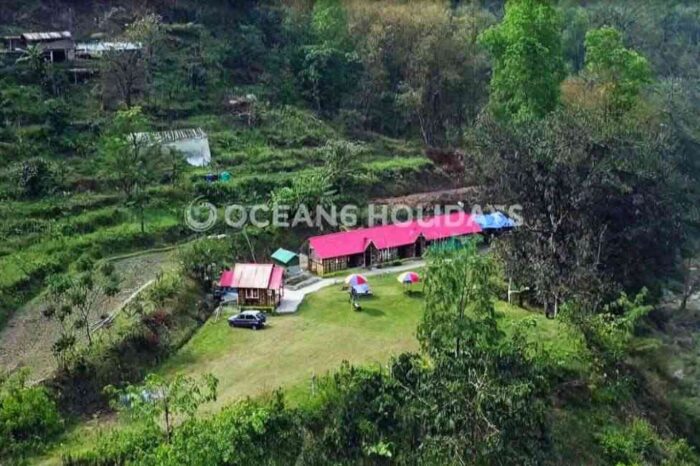
Benda is built specifically around riverside cottages rather than a hillside homestay, tucked into a forested river valley — the right choice for travellers who want the sound of moving water over a mountain view, and a genuinely different kind of stay from the hillside-and-viewpoint pattern found at most of the other Kalimpong villages.
Kaffergaon combines Kanchenjunga views with forest trails and small lakes, a fair middle ground between Lava’s monastery focus and the purer forest villages further out, and a reasonable choice for a traveller who wants a bit of everything in one stop.
Loleygaon, close to Kaffergaon, follows a similar forest-trail-and-lake pattern and is associated with a forest canopy walk that gives a different vantage point than the usual ground-level trail — worth the stop for that alone, and a natural pairing with Kaffergaon for travellers who want both in one trip.
Charkhole rounds out the cluster with its own forest trail and birding stop — a smaller, lesser-visited version of the same pattern found at Kaffergaon and Loleygaon, worth choosing specifically for the reduced footfall over anything genuinely different in the sightseeing itself.
This belt suits travellers drawn to forest and monastery culture over tea-garden scenery, and to a quieter pace again than the Darjeeling side. It isn’t the right choice for anyone specifically chasing orange orchards or a dense network of marked tea trails — that territory belongs to the Darjeeling belt, not to Kalimpong.
Rangbhang, in the Mirik zone, brings the tea-garden-and-homestay pattern familiar from the Darjeeling belt into Mirik’s gentler, lake-adjacent landscape, with river streams running past the village and the same hill views the wider circuit is known for. It works well as an easier add-on for travellers already planning a stop at Mirik Lake, without duplicating what the Darjeeling-side villages already offer, and its location keeps it slightly more accessible than several of the deeper Kalimpong hamlets.
Chengmari, in the Dooars zone, is a genuinely different kind of stop. The Dooars sits at the base of the hills rather than within them, and its forests are denser, flatter and warmer than anything in the Darjeeling or Kalimpong belt. Chengmari’s tea gardens run alongside forest that is home to several local tribal communities, and a visit here leans toward understanding that rural, forest-edge way of life alongside the tea-garden walk rather than chasing a mountain view — the Dooars generally sits too low and too far from the main range for reliable Kanchenjunga sightings. The change in altitude also brings a noticeably warmer, more humid climate than anywhere in the hill belt above it.
Rangbhang suits travellers extending a Mirik Lake visit without wanting a separate hill-village trip of their own. Chengmari suits those specifically curious about tribal and forest-edge life rather than mountain views; it’s the wrong stop for anyone whose trip is built around seeing the range, but a genuinely useful contrast for travellers who’ve already spent several days in the higher hills and want a different rhythm before heading home.
Neither village carries the crowd pressure of the more established Darjeeling or Kalimpong names, largely because neither sits on the well-worn Darjeeling-Kalimpong-Gangtok route itself. That relative obscurity is part of the appeal for travellers who’ve already done the more familiar offbeat villages and want something a step further off the usual path, though it also means fewer homestay choices on short notice than at a name like Lava or Takdah.
South of the hills entirely, Bengal’s rural interior — Purulia and the districts around it — offers a different kind of offbeat trip built around lakes, low hill ranges and the region’s terracotta temple architecture, rather than tea gardens or altitude. Nothing in this cluster requires the kind of winding hill drive the Darjeeling and Kalimpong villages do, which makes it a genuinely different planning proposition as well as a different landscape.
Baranti, set among the low Panchet hills, centres on its lake and the surrounding rural and tribal villages; the hills here are walkable rather than trekked, and a waterfall and small dam add to a day that moves at an easy pace between water and hillside. It’s one of the more established names in this cluster, with a reasonably wide choice of homestays for a rural Bengal village.
Murguma follows a similar pattern around Ajodhya Hill and the Murguma Dam and lake, with the dam wall and the lake edge the main places to spend an evening. This is the same general area where Ocean6 Holidays runs its own Bon Polashi Eco Hut & Camp, operational since 2016, and travellers already familiar with that property will recognise the landscape — low hills, a working dam, and a genuinely rural pace.
Barjora moves the focus toward the region’s built heritage, combining a rural lake-and-dam setting with terracotta temple architecture — the distinctive brick and terracotta work found across this part of Bengal, and a different kind of sightseeing from anywhere else on this list, closer to a heritage walk than a nature trail. It suits travellers with an interest in temple architecture specifically, rather than those purely chasing a lake-and-hill landscape.
Kankrajhor follows a similar rural lake-dam-and-terracotta pattern to Barjora, set within a belt of denser sal forest that gives its stops a more wooded backdrop than Barjora’s more open, rural setting. The forest cover here also brings a somewhat cooler, shadier walk than the more exposed lake edges found at Baranti and Murguma.
This cluster suits travellers who want a slower, flatter alternative to the hill circuit, or who are combining a Bengal trip with a heritage or tribal-culture interest rather than a mountain-view one. It doesn’t suit anyone specifically chasing Kanchenjunga views or high-altitude walking; both are the wrong reason to choose Purulia over the Darjeeling-Kalimpong belt. The pace here also tends to be more social than the hill villages: rural Bengal’s tribal communities, particularly around Baranti and Murguma, are more visible and more a part of the day’s activity than the more private, forest-set villages of Kalimpong.
The homestays across the Darjeeling and Kalimpong hills draw on Nepali, Bhutia and Lepcha kitchens depending on the village and the family running it, and the food is generally whatever’s cooked that day rather than a menu — simple rice-and-vegetable meals, momos in several villages, and tea grown a short walk from where it’s served. This isn’t the place to expect variety or a wide choice at dinner; it’s the place to expect a meal cooked specifically for the handful of guests staying that night, often eaten with the family rather than separately.
The Dooars villages, Chengmari in particular, shift that food culture toward the tribal communities of the forest edge, with a noticeably different kitchen from the high-hill Nepali and Bhutia cooking found above. Rural Bengal’s Purulia cluster shifts again, toward a Bengali and tribal rural kitchen built around whatever the season’s harvest and the local lake or river provide.
Across all four clusters, the constant is the same: these are not restaurant-style stays, and the food is as much a part of the offbeat character as the walk or the view. Travellers who specifically want a wider food choice, or who have significant dietary restrictions, are better served flagging that in advance than assuming a homestay kitchen can accommodate a longer menu on short notice.
The Darjeeling, Kalimpong, Mirik and Dooars clusters are all reached the same way in broad terms: by road from New Jalpaiguri railway station or Bagdogra Airport, both near Siliguri, which functions as the gateway to the entire North Bengal hill belt. From there, the drive up into the hills varies by village — Darjeeling-belt villages generally involve the longest and most winding climb, Kalimpong’s villages a separate road up from Siliguri via Kalimpong town, and the Dooars villages like Chengmari a much flatter, shorter drive that doesn’t involve hill roads at all. Mirik sits on its own road from Siliguri as well, distinct from both the Darjeeling and Kalimpong routes.
The Purulia and rural Bengal cluster is reached entirely differently, generally by road or rail via Purulia town, Adra or Asansol rather than through Siliguri at all, which is the clearest practical sign that this cluster is a separate trip from the hill belt rather than an extension of it. Travellers trying to combine both in one journey should expect a full day of travel between the two regions, since they sit at opposite ends of the state.
Within the hill belt itself, distances between neighbouring villages are usually short, which is what makes combining two or three villages from the same section of this guide a realistic plan rather than an ambitious one. Moving between clusters — from a Darjeeling-belt village to a Kalimpong one, for instance — typically takes longer, since the road has to descend and climb again rather than staying at a single elevation.
The hill belt’s calendar runs roughly in three stretches. Spring, from around March into May, brings warmer days, blooming rhododendron in the higher villages, and reasonably clear mornings before pre-monsoon haze builds up later in the afternoon. The monsoon, roughly June through September, is the lushest stretch for greenery and for the region’s waterfalls, including the one at Rongbull, but it’s also the least reliable window for Kanchenjunga views, and hill roads can be affected by landslip after heavy rain, which is worth checking locally before travel. Autumn into winter, from October through to February, is generally considered the most dependable stretch for clear mountain views and is correspondingly the busiest booking season for the more established villages like Lava and Takdah — worth planning and booking well ahead if this window is the goal.
The orange orchards at Sittong, Ghalaytar and Chhota Mangwa follow their own separate calendar, generally fruiting through the winter months, and School Dara’s star-gazing nights depend on clear skies rather than any fixed season, though winter’s drier air tends to help. The Dooars cluster runs on a different rhythm again: being lower and warmer, Chengmari doesn’t carry the same winter-view urgency as the high-hill villages, and can reasonably be visited across a wider stretch of the year. Purulia’s rural circuit similarly isn’t weather-locked to a mountain view, though the cooler winter months are still the more comfortable time to be walking around lakes and dam walls in the open sun.
A few practical points apply across the hill villages in particular, on top of the seasonal and logistical notes above.
Orange orchards at Sittong, Ghalaytar and Chhota Mangwa are worth timing around the fruiting season specifically, if that’s the draw, and star-gazing plans at School Dara are similarly weather-dependent rather than guaranteed on any fixed date.
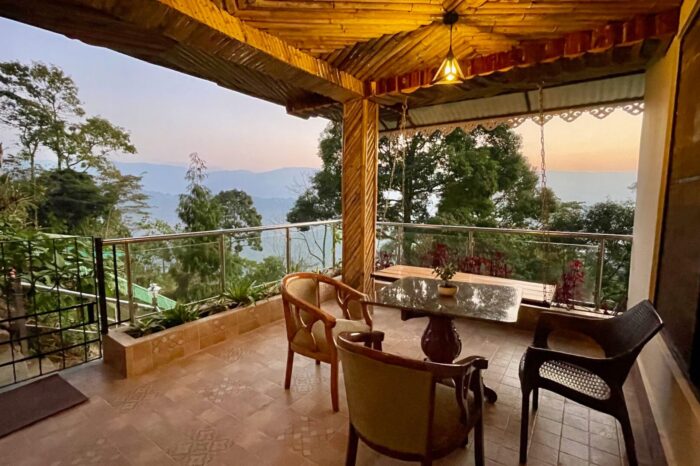
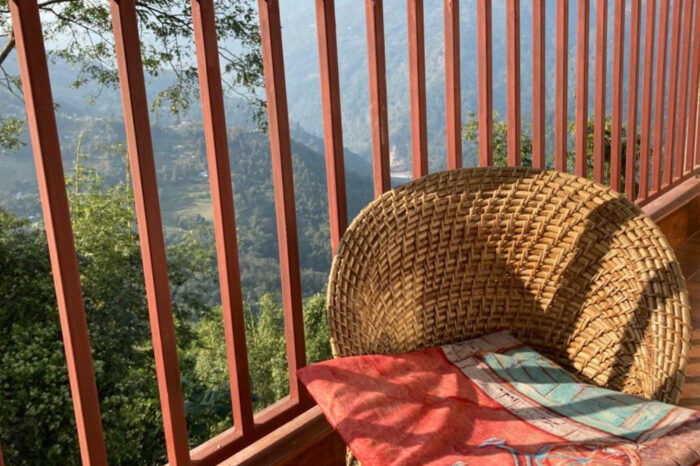
Homestays across the Darjeeling and Kalimpong belt are genuinely small — a handful of rooms, home-cooked meals on a family schedule, and limited mobile connectivity in several villages. This suits travellers looking for quiet over convenience; it doesn’t suit anyone who needs reliable signal or a wide choice of food. It’s worth setting that expectation before arrival rather than discovering it on the first evening.
Given how many of these villages sit within a short drive of each other, most trips work better as two or three combined rather than one long single-village stay, unless the traveller specifically wants the slower pace of staying put. A natural combination might pair an established name like Lava or Takdah with a quieter neighbour like Rishop or Tukdah, giving the trip both a functioning local market and a genuinely still stretch of days. Birders in particular tend to do well combining two or three of the birding-focused villages — Latpanchar, Chatakpur, Kolakham and Lepchajagat among them — rather than mixing a birding stop with an orchard or monastery village that pulls the day in a different direction. The Dooars and Purulia clusters sit far enough from the Darjeeling-Kalimpong belt that they’re best treated as separate trips rather than added on to a hill itinerary.
Because most of these villages run on a handful of rooms per homestay, availability is tighter than it looks from the outside, particularly around the autumn-winter window when the mountain views are at their most reliable; booking ahead matters more here than it does for a mainstream Darjeeling or Gangtok hotel. Roads into several of these villages are narrow hill routes rather than highways, which suits travellers comfortable with a longer, winding drive and mild elevation changes, and is worth flagging for anyone with limited mobility or a low tolerance for hairpin bends. None of this makes the villages hard to reach; it simply means the planning has to happen earlier, and with a clearer sense of which two or three villages actually fit the days available, rather than after arrival.
Most travellers reaching this belt aren’t visiting purely for one offbeat village; the wider Darjeeling-Kalimpong-Gangtok circuit is usually somewhere in the plan as well, whether before, after or on either side of an offbeat stop. That’s a reasonable way to build a trip, and most of the villages in this guide slot naturally onto either end of a Darjeeling town stay or a Kalimpong town stay, given how short the drive between them usually is. What doesn’t work as well is trying to fit an offbeat village into the middle of a tightly scheduled mainstream itinerary, since the entire value of these stays is the unhurried pace — a single rushed night in a village like Rishop or Lepchajagat misses the point of choosing it in the first place. Travellers who want both experiences are generally better served giving the offbeat leg its own two or three nights, clearly separated from the days built around Darjeeling’s or Gangtok’s main sights.
With forty-one villages across this offbeat Bengal circuit, most travellers are better served by narrowing the list first: which landscape actually matters more, tea garden or forest, mountain view or riverside, hill homestay or lakeside heritage stop, an established name or a genuinely quiet one, and how many villages realistically fit into the days available. Every tour linked through this guide runs the same length, so the choice comes down almost entirely to character rather than duration — which makes getting that first narrowing-down conversation right more valuable than it looks.
This is exactly the kind of decision Ocean6 Holidays exists to help with: not handing over a list of forty-one names and leaving the traveller to guess, but understanding what actually matters for that particular trip — the mountain view, the silence, the birding, the heritage — and recommending accordingly, trade-offs included. Ocean6 Holidays can work through that shortlist directly, and the full set of tours referenced above is browsable together on the Bengal offbeat tour packages page.
Ask Ocean6 Holidays Before You Book.
98742 84569
98743 61951
Mon-Sat 11.00AM-07.30PM