

- Home
- INDIA
- Offbeat India
- International
- Theme Tours
- Handpicked
- Plan Your Trip
New Zealand
New Zealand Tour Packages
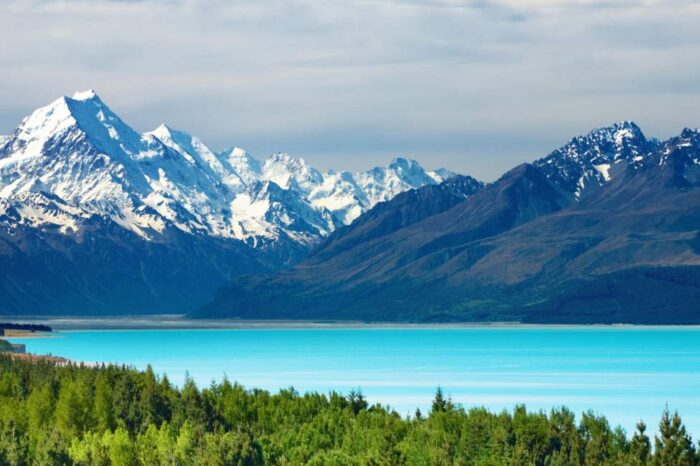
New Zealand tour packages offer an extraordinary blend of breathtaking landscapes, thrilling adventures, and rich Māori culture in one of the world’s most pristine destinations.
New Zealand Destination Guide – Ocean6 Holidays
New Zealand tour packages offer an extraordinary blend of breathtaking landscapes, thrilling adventures, and rich Māori culture in one of the world’s most pristine destinations. From the dramatic fjords of Milford Sound and the geothermal wonders of Rotorua to the adventure capital Queenstown and the magical Hobbiton movie set, New Zealand promises experiences that stay with you forever. Indulge in world-class adventure sports, savour farm-fresh cuisine, and immerse yourself in the living traditions of the Māori people. Whether you’re planning a family vacation, a romantic escape, or an adrenaline-fuelled adventure, our New Zealand tour packages cater to every traveller’s dream. Discover the magic of New Zealand – a journey that redefines nature, culture, and adventure.
New Zealand – The Land of the Long White Cloud
New Zealand, an island nation in the southwestern Pacific Ocean, is a destination unlike any other. Comprising two main islands – the North Island and the South Island – and hundreds of smaller islands, New Zealand is celebrated globally for its dramatic landscapes, pristine environment, warm people, and world-class adventure experiences. Known to the Māori as Aotearoa (“Land of the Long White Cloud”), this island nation strikes a perfect balance between wild natural beauty and sophisticated modern living, drawing millions of visitors each year.
New Zealand Tourism – A Quick Overview
Temperature: Average of 10°C to 25°C (varies by season and region)
Currency: New Zealand Dollar (NZD)
Language: English, Māori (te reo Māori), New Zealand Sign Language
Capital: Wellington
Population: Approximately 5 million
Popular Tourist Spots: Milford Sound, Queenstown, Rotorua, Bay of Islands, Hobbiton, Aoraki/Mount Cook
Time Zone: UTC+12:00 (UTC+13:00 during Daylight Saving)
Area: 268,021 square kilometres
Calling Code: +64
The Adventure Capital of the World: Nature’s Masterpiece
New Zealand is often described as nature’s greatest canvas – a land where snow-capped peaks plunge into glittering fjords, volcanic plateaus bubble with geothermal energy, and ancient rainforests give way to golden beaches. The North Island is home to Rotorua’s geothermal activity, the cultural heartland of the Māori people, and the vibrant cities of Auckland and Wellington. The South Island is the crown jewel – a land of glaciers, fjords, and alpine meadows that draws adventurers and nature lovers from across the globe.
Queenstown, perched on the shores of Lake Wakatipu and framed by the Remarkables mountain range, is the self-proclaimed adventure capital of the world. Here you can bungee jump off the Kawarau Bridge – the birthplace of commercial bungy jumping – or jet boat through the razor-thin walls of the Shotover Canyon. For those who prefer something more serene, the world-famous Marlborough wine region and the golden beaches of Abel Tasman National Park offer sublime beauty at a gentler pace.
New Zealand is also the home of Middle-earth. The legendary Hobbiton Movie Set in Matamata draws Lord of the Rings fans from every corner of the planet, offering a step into the world of J.R.R. Tolkien. The country’s diverse landscapes served as the backdrop for Peter Jackson’s entire trilogy, making it a global pilgrimage destination for film lovers. Whether you enjoy adventure, wildlife, history, or world-class dining, New Zealand delivers it all – wrapped in some of the most spectacular scenery on earth.
Top Attractions in New Zealand
Milford Sound: One of the world’s great natural wonders – towering sheer cliffs, cascading waterfalls, and mirror-still fjord waters deep within Fiordland National Park.
Queenstown: The adventure capital offering bungy jumping, skydiving, jet boating, and skiing against a breathtaking alpine backdrop.
Rotorua: A geothermal wonderland with bubbling mud pools, erupting geysers, and rich Māori cultural experiences that are unlike anything else on earth.
Hobbiton Movie Set: Walk through the actual Shire from The Lord of the Rings and The Hobbit films, set in the rolling green hills of Matamata.
Bay of Islands: A subtropical paradise with 144 islands, perfect for sailing, dolphin watching, and deep-sea fishing.
Aoraki/Mount Cook: New Zealand’s highest peak, offering world-class hiking, glacier tours, and some of the clearest night skies on the planet.
Adventure and Fun for Everyone
New Zealand is heaven for thrill-seekers and nature lovers alike. Skydive over Lake Taupo – Australasia’s largest lake – or try white-water rafting on the thundering Kaituna River, which drops 7 metres over the Tutea Falls. Families love Te Papa Tongarewa – Wellington’s world-class national museum – and the glowworm caves of Waitomo, where thousands of bioluminescent creatures light up underground caverns like a sky full of stars. The Franz Josef and Fox Glaciers on the West Coast offer unforgettable heli-hike experiences on ancient blue ice.
For food lovers, New Zealand’s culinary scene is a revelation. Fresh green-lipped mussels, slow-roasted lamb, free-range venison, and world-renowned sauvignon blanc from Marlborough are just the beginning. Vibrant café culture thrives in Auckland and Wellington, and the Hāngi – a traditional Māori feast cooked in an earth oven – is a cultural experience as much as a culinary one.
Geography of New Zealand
New Zealand is located in the southwestern Pacific Ocean, approximately 2,000 kilometres southeast of Australia. It consists of two main landmasses – the North Island (Te Ika-a-Māui) and the South Island (Te Waipounamu) – separated by the Cook Strait. The country sits on the Pacific Ring of Fire, giving rise to its dramatic volcanic landscapes, hot springs, and geothermal activity. The South Island’s Southern Alps run almost the full length of the island, forming a stunning backbone of snow-capped peaks crowned by Aoraki/Mount Cook at 3,724 metres.
A Glimpse into New Zealand’s History
New Zealand was first settled by Polynesian voyagers who became the Māori people, arriving approximately 700 years ago. The country was first sighted by Dutch explorer Abel Tasman in 1642, but it was Captain James Cook who charted its coastline in 1769, opening the door to European settlement. In 1840, the Treaty of Waitangi was signed between the British Crown and Māori chiefs – a founding document of enormous cultural and political significance that continues to shape New Zealand today. New Zealand made history in 1893 by becoming the first country in the world to grant women the right to vote. Today, it is a proud, progressive, and multicultural nation with a deep respect for its indigenous heritage.
Culture and Etiquette in New Zealand
New Zealanders – affectionately known as Kiwis – are famously warm, laid-back, and welcoming. The indigenous Māori culture is woven deeply into the fabric of national life, and visitors are encouraged to show genuine respect for this heritage. The traditional Māori greeting is the hongi – a touching of noses and foreheads – a gesture of sharing breath and spirit. The Haka, a powerful ancestral dance performed on important occasions, is one of the world’s most recognised cultural expressions.
When visiting a marae (Māori meeting ground), always follow the customs of your hosts. New Zealand is a clean, green, and law-abiding country. Littering and damage to natural environments is taken very seriously. Visitors are encouraged to follow the Tiaki Promise – a commitment to care for New Zealand’s landscapes, wildlife, and culture.
New Zealand’s Diverse Population
New Zealand is home to approximately 5 million people, including the indigenous Māori and a growing multicultural population from the Pacific Islands, Asia, Europe, and beyond. This diversity is richly reflected in the country’s festivals, food, music, and arts. Māori culture sits at the heart of New Zealand’s national identity – te reo Māori (the Māori language) is an official language, and Māori names, customs, and traditions are embedded in everyday New Zealand life.
Language in New Zealand
New Zealand has three official languages: English, Māori (te reo Māori), and New Zealand Sign Language. English is the most widely spoken and is used in daily life, business, and tourism across the country. Māori place names and words appear throughout everyday signage and conversation – a reflection of New Zealand’s commitment to preserving its indigenous heritage. You will find Kiwis among the most easy-going and communicative people you will ever meet.
Currency in New Zealand
The currency used in New Zealand is the New Zealand Dollar (NZD). The exchange rate is approximately 1 NZD = 46–50 Indian Rupees (subject to daily fluctuation). New Zealand is a highly cashless-friendly destination – credit and debit cards, as well as digital payments, are accepted at virtually every hotel, restaurant, and attraction. ATMs are widely available in cities and major towns.
New Zealand offers an endless tapestry of experiences – from soaring mountain peaks and shimmering fjords to world-famous vineyards and pulsing city culture. Whether you come for the adventure, the scenery, or the legendary warmth of the Kiwi spirit, New Zealand leaves an imprint on your soul that no other destination can match. Plan your dream holiday to the Land of the Long White Cloud and discover why travellers return again and again to this extraordinary corner of the earth.
New Zealand Overview
This breathtakingly beautiful country is the definition of nature in its purest form. Born from volcanic fire and sculpted by ancient glaciers, New Zealand’s landscapes are so cinematic they were chosen as Middle-earth itself. What began as a remote island nation at the bottom of the world has grown into one of the most coveted travel destinations on the planet.
What to See in New Zealand?
Milford Sound Cruise
A cruise through Milford Sound is one of the most awe-inspiring experiences on earth. Located deep within Fiordland National Park in the South Island, Milford Sound was carved by glaciers over millions of years and is flanked by sheer rock faces rising over 1,200 metres from the dark, still water. Mitre Peak – the iconic pyramid-shaped pinnacle that rises dramatically from the fjord – is New Zealand’s most photographed landmark.
On the cruise, you will drift beneath the cascading Stirling Falls and Lady Bowen Falls, and keep watch for bottlenose dolphins, New Zealand fur seals, and the rare Fiordland crested penguin. Both day and overnight cruises are available, with the latter giving you the extraordinary experience of watching dawn light the cliff walls from the water. Morning cruises are recommended for the calmest conditions. Layered, waterproof clothing is essential – Fiordland receives some of the highest rainfall in the world, and the weather is famously changeable. Children of all ages are welcome aboard, and most vessels are fully accessible for wheelchair users.
This is a 2 to 3-hour cruise experience. The Milford Road leading to the Sound is one of the world’s great scenic drives and is itself a highlight of any South Island itinerary.
Queenstown Adventure – Bungy, Gondola & Jet Boat
Queenstown is where adrenaline was invented – or at least commercialised for the world. This is the birthplace of modern commercial bungy jumping, and the Kawarau Bridge offers the original experience: a heart-stopping 43-metre plunge above crystal-clear glacial water. Watch first-timers take the leap from the viewing platform, or step up yourself.
The Skyline Gondola takes you up Bob’s Peak for panoramic views of Lake Wakatipu and the Remarkables mountain range – a view that stops you mid-sentence. From the top, thrill-seekers can paraglide back down, or enjoy the famous luge track – a huge hit with families and children. Then, board a Shotover Jet boat for a 25-minute high-speed blast through the narrow walls of the Shotover Canyon, spinning 360 degrees with just centimetres to spare. There are no minimum age restrictions for the Gondola or Jet Boat, though the Bungy Jump is for those 10 years and above. Queenstown is also the winter gateway for skiing at Coronet Peak and The Remarkables (June to September). This is a half-day to full-day experience, depending on activities selected.
Hobbiton Movie Set Tour
The Hobbiton Movie Set Tour in Matamata is a pilgrimage that every traveller – film fan or not – should make at least once. Built on a working sheep farm in the lush, rolling hills of the Waikato, this is the actual, permanently constructed set used in The Lord of the Rings trilogy and The Hobbit trilogy, totalling six blockbuster films.
You will walk a scenic farm path past 44 Hobbit Holes, each built at a different scale to create the optical illusion of hobbits of varying sizes. Each Hobbit Hole has its own character – herb gardens, tiny laundry lines, and miniature vegetable plots bring the set to life in extraordinary detail. The tour ends at the iconic Green Dragon Inn, where you will receive a complimentary drink of Sackville Cider, Southfarthing Ale, or Shire’s Rest Ginger Beer, brewed exclusively for the estate. The tour runs daily and takes approximately 2 hours. The full farm walk involves uneven terrain, so comfortable walking shoes are essential. Photography is warmly encouraged throughout. There are no designated facilities for strollers on the full walking path, so plan accordingly.
Rotorua Geothermal and Māori Cultural Experience
Rotorua is unlike any city on earth. The warm, sulphuric smell in the air is your first hint that you are standing directly above one of the world’s most active geothermal systems. Te Puia, in the heart of Rotorua, is home to the world-famous Pohutu Geyser – erupting up to 20 times a day, shooting boiling water up to 30 metres into the sky.
Wander through bubbling mud pools, hissing steam vents, and the colourful silica terraces formed over thousands of years. The New Zealand Māori Arts and Crafts Institute at Te Puia showcases living traditions of weaving (raranga) and wood carving (whakairo), kept alive by master craftspeople.
In the evening, attend a Hāngi and Kapa Haka performance – a traditional Māori feast where food is slow-cooked underground in an earth oven, combined with powerful songs, chants, and the electrifying Haka performed by warriors and wahine (women). This is where culture, history, and nature collide in the most vivid way imaginable. The evening cultural experience typically runs for 3 to 4 hours. Children from 5 years and above are welcome for the evening programme.
Bay of Islands Cruise
The Bay of Islands is a subtropical paradise in the Northland region of New Zealand’s North Island – a scattering of 144 islands, deserted sandy beaches, and clear turquoise water that looks too perfect to be real. This is where New Zealand’s modern story began: the historic Waitangi Treaty Grounds, where the Treaty of Waitangi was signed in 1840, sit right on the bay’s edge and are among the country’s most important cultural sites.
The Hole in the Rock cruise is the signature Bay of Islands experience – a full-day or half-day boat journey through the island-studded bay, often accompanied by pods of common or bottlenose dolphins riding the bow wave. The cruise passes through Piercy Island’s dramatic sea cave – the Hole in the Rock – carved naturally through a volcanic rock formation. Cape Brett Lighthouse sits dramatically at the bay’s outer edge, a reminder of the seafaring history that shaped this region.
The cruise takes 4 to 5 hours for the full-day option. Dolphin encounters are almost guaranteed. Children of all ages are welcome, though those prone to seasickness should come prepared with medication. Weather in Northland is warm and pleasant for most of the year, making this a year-round experience.
Franz Josef Glacier Heli-Hike
Franz Josef Glacier, on the rugged West Coast of the South Island, is one of the most accessible glaciers in the world – a river of ancient blue ice that descends from the Southern Alps down through temperate rainforest to almost sea level. Nowhere else on earth does a glacier of this scale sit in such proximity to subtropical vegetation.
The Heli-Hike is the ultimate Franz Josef experience: a short scenic helicopter flight from the village up to the glacier’s ice field, followed by a guided 2 to 3-hour walk across its surface through ice caves, around towering seracs (ice pinnacles), and along glacial streams of the purest blue. Your guide will cut steps into the ice and lead you safely through this otherworldly landscape. All crampons, ice axes, and safety equipment are provided and fitted at the base. The minimum age for the Heli-Hike is 8 years. The experience runs approximately 3.5 hours from check-in to return. Flights operate subject to weather conditions, which are notoriously variable on the West Coast – flexibility in your itinerary is strongly recommended. A windproof, waterproof jacket and sturdy walking shoes or hiking boots are essential.
Franz Josef Glacier is retreating due to climate change, making this a now-or-never experience that has an added urgency and beauty for the modern traveller.
Experiences
- The 10 Best Japan Festivals for Indian Travellers
 August 24, 2026
 - The Ultimate Japan Travel Guide: 17 Must-Visit Destinations
 August 17, 2026
 - Wine Tourism in India
 June 8, 2026
 - Anini Tour
 June 5, 2026
 - Tamia Hills Tour
 June 4, 2026
Call
98742 84569
98743 61951
Mon-Sat 11.00AM-07.30PMNewsletter
Uncategorized
- Tours in BlogApril 6, 2026
- Tours in Blog
- Required plugin "Meks Easy Photo Feed Widget" is required. Please install the plugin here. or read more detailed instruction about How to setup the plugin here
Connect to Us
Recent Tours
Rate & Review Us
Contact Info
- +91 98742 84569
- experience@ocean6.in
- 16, Suren Tagore Rd, Ekdalia, Ballygunge, Kolkata, West Bengal 700019
- Mon - Sat : 11.00 AM - 7.30 PM
Sunday : CLOSED
Newsletter
Quick Links
