

- Home
- INDIA
- Offbeat India
- International
- Theme Tours
- Handpicked
- Plan Your Trip
Telangana Tour Packages
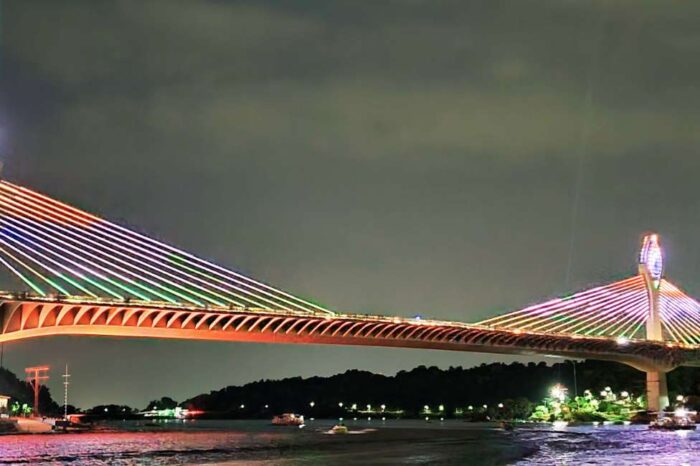
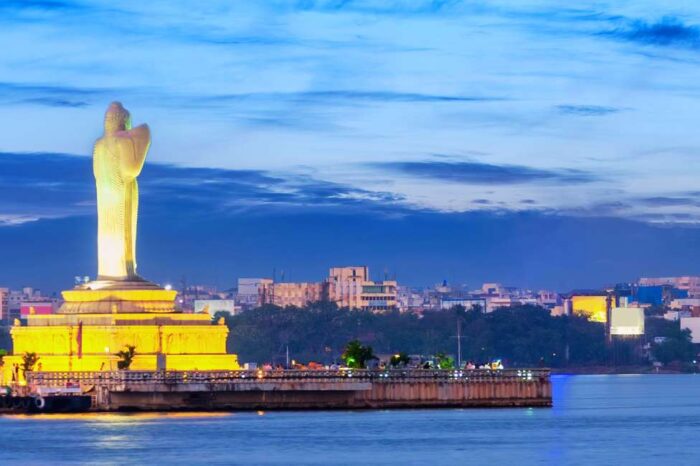
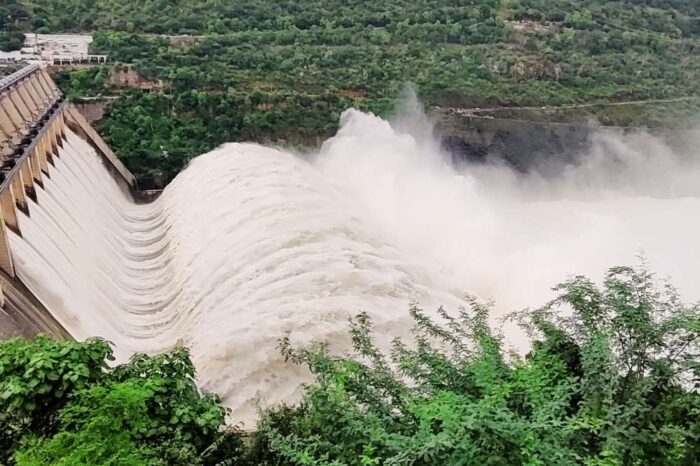
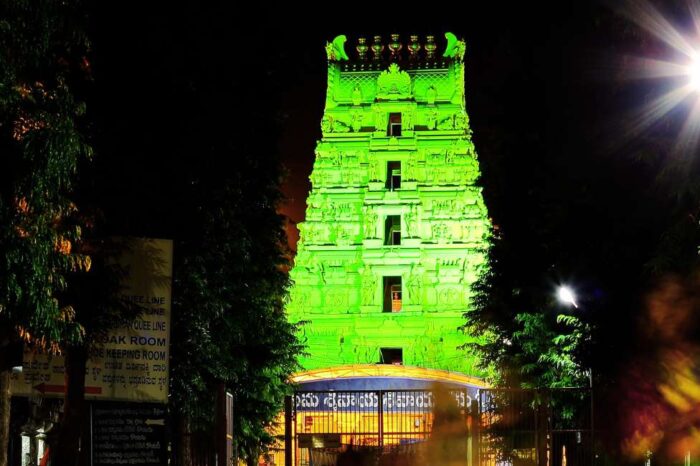
Opulent, Ancient, Alive – Telangana. A land where the grandeur of the Nizams meets the thunder of ancient Kakatiya warriors.
Telangana – A Journey to the Nizams’ Niazamat
Opulent, Ancient, Alive – Telangana. A land where the grandeur of the Nizams meets the thunder of ancient Kakatiya warriors. Where minarets pierce golden skies beside centuries-old temples draped in marigolds. Telangana is a riveting tapestry of pearls and biryani, of tiger reserves and tribal festivals, of bustling tech corridors and silent stone forts. This youngest state of India carries the weight of some of the subcontinent’s most storied empires — and wears it with unmistakable pride.
Telangana Tourism: A Quick View of the State
Capital: Hyderabad
Official Language: Telugu (also Urdu)
Dial Code: 040 (Hyderabad)
Population: 35,003,674 (as of 2011)
Currency: Indian Rupee (INR)
Time Zone: UTC+05:30 (IST)
Area: 112,077 square km
Highlights of Telangana Tourism: Through the Looking Glass
Historical Lens
Telangana’s history is buried deep in stone, soil, and saga. The Salar Jung Museum in Hyderabad is one of the largest one-man collections in the world — home to over 43,000 artefacts spanning 35-40 countries and 5,000 years of civilisation. The Warangal Fort Museum preserves relics of the mighty Kakatiya dynasty, whose architectural genius astonished even Marco Polo. The Nizam’s Museum in Purani Haveli, Hyderabad, houses the private collection of the last Nizam — including a wardrobe worth millions and a silver train set gifted to him as a child. For history lovers, Telangana is less a destination and more an open archive.
Architectural Lens
Telangana’s skyline is a beautiful argument between dynasties. The Charminar, Hyderabad’s defining icon, was built in 1591 by Muhammad Quli Qutb Shah to commemorate the end of a deadly plague — four grand arches facing four directions, a prayer in stone. Golconda Fort, a massive hilltop citadel, was once the world’s diamond-trading capital — the Koh-i-Noor and Hope Diamond both passed through its vaults. The Kakatiya Kala Thoranam (Warangal Gate) stands as a breathtaking relic of 12th-century Kakatiya mastery in decorative stonework. The Thousand Pillar Temple in Warangal, with its star-shaped base and intricate carvings, is Dravidian architecture at its most precise.
Religious Lens
Telangana is a state where faith flows freely across traditions. Yadadri (Yadagirigutta) is one of the most sacred Vaishnava shrines in South India, perched on a hill and recently renovated into a stunning modern temple complex. The Birla Mandir in Hyderabad, carved from white Rajasthani marble, overlooks the city from a rocky hilltop with serene grace. Mecca Masjid, one of the oldest and largest mosques in India, was built over 77 years during the Qutb Shahi and Mughal eras and can hold up to 10,000 worshippers. The Bhadrachalam Temple on the banks of the Godavari is one of the most revered Ram temples in India, drawing lakhs of pilgrims every year.
Cultural Lens
Telangana’s culture is not performed — it is lived. Bathukamma, the state’s most beloved festival, is a floral offering to the goddess Gauri — women stack seasonal flowers into cone-shaped towers and dance around them in colourful half-sarees, singing devotional songs. The Bonalu festival, another Hyderabadi treasure, is a spirited offering to the goddess Mahankali — pots of cooked rice balanced on women’s heads in a procession of colour and drums. Perini Shivatandavam, the ancient warrior dance performed before battles, has been revived and is now a recognised classical dance form of Telangana. And then there is the biryani — Hyderabadi Dum Biryani is not just food, it is an institution. Slow-cooked in a sealed handi, layered with saffron rice and marinated meat, it is a dish that has been perfected over 400 years.
Festive Lens
Telangana’s festivals are loud, proud, and deeply rooted. The Sammakka Saralamma Jatara in Medaram, held every two years, is considered the world’s second-largest human gathering after the Kumbh Mela — drawing over 1 crore pilgrims to a forest clearing to worship two tribal goddesses. The Hyderabad Literary Festival brings together writers, thinkers, and storytellers from across the world to the city of Nizams every January. The Deccan Festival in Hyderabad is a five-day celebration of Urdu poetry, classical music, qawwali, and crafts — a living tribute to the city’s composite culture. Ugadi, the Telugu New Year, is celebrated with new clothes, neem-and-jaggery, and a fresh resolve to embrace life’s bitter and sweet in equal measure.
Nature’s Lens
Telangana is no stranger to the wild. The Nagarjunasagar-Srisailam Tiger Reserve is the largest tiger reserve in India by area, straddling the Krishna River gorge — a dramatic landscape of dense forests, steep valleys, and ancient ruins. Pocharam Wildlife Sanctuary, near Nizamabad, is a picturesque lake-forest reserve home to deer, wolves, panthers, and crocodiles. Kinnerasani Wildlife Sanctuary in Khammam is a serene forest retreat along the Kinnerasani River, popular for birdwatching and nature trails. The Godavari and Krishna rivers crisscross the state, forming lush valleys and scenic reservoirs that attract migratory birds and quiet seekers alike.
Interesting Facts about Telangana – Forgotten Fables
- Hyderabad’s Golconda Fort had an acoustic system so advanced that a hand-clap at the main gate could be heard at the highest pavilion — a 1 km distance — with no technology whatsoever.
- The Sammakka Saralamma Jatara sees over 1 crore devotees in a forest with no permanent infrastructure — it remains one of the most remarkable examples of spontaneous mass pilgrimage in the world.
- Hyderabad was once ruled by the wealthiest man in the world. The last Nizam, Mir Osman Ali Khan, was estimated to be worth $236 billion in today’s value — richer than any individual in history.
- The Hope Diamond, one of the most famous diamonds in history, is believed to have originated from the Golconda mines in Telangana.
- Telangana became India’s 29th state on June 2, 2014 — the most recent bifurcation of an Indian state, carved out of Andhra Pradesh after a decades-long statehood movement.
- Hyderabad’s Laad Bazaar near Charminar is one of the oldest markets in India, selling glass bangles for over 400 years.
Location of Telangana
Telangana is located in the south-central part of India, on the Deccan Plateau. It shares borders with Maharashtra and Chhattisgarh to the north, Odisha to the northeast, Andhra Pradesh to the east and south, and Karnataka to the west. The state is drained by two major rivers — the Godavari in the north and the Krishna in the south — which have nourished its civilisations for millennia. Its central position on the Deccan has historically made it a crossroads of empires, trade routes, and cultures.
Best Time to Visit Telangana
Telangana has a tropical climate. Summers from March to June are harsh, with temperatures often crossing 42°C. The monsoon arrives in June and brings relief, transforming the landscape into lush green — ideal for nature enthusiasts and waterfall chasers. The best time to visit is October to February, when temperatures are comfortable (15°C to 30°C), festivals like Bathukamma and Bonalu are in full swing, and the state’s historic sites are at their most inviting.
How to Get to Telangana
By Road: Telangana has an excellent road network. National highways connect Hyderabad to major cities like Mumbai, Bengaluru, Chennai, and Nagpur. The state road transport corporation (TSRTC) operates extensive bus services across cities and districts. Private taxis and cabs are widely available for intra-state travel.
By Rail: Hyderabad is a major rail hub with two key stations — Secunderabad Junction and Hyderabad Deccan (Nampally). Direct trains connect to Delhi, Mumbai, Chennai, Kolkata, Bengaluru, and most major Indian cities. Warangal, Nizamabad, and Khammam also have well-connected railway stations.
By Flight: Rajiv Gandhi International Airport in Hyderabad is one of the busiest and most modern airports in India, with direct international flights to Dubai, Singapore, London, Frankfurt, and major cities across the Middle East, Southeast Asia, and USA. Domestic flights connect Hyderabad to virtually every major Indian city daily.
History of Telangana
Telangana’s history stretches back to the Megalithic era, with rock art and burial chambers found across its landscape. The region was ruled by the Satavahanas, who built one of the subcontinent’s earliest Buddhist universities at Nagarjunakonda. The Kakatiya dynasty (12th–14th century) left an indelible architectural legacy — the Warangal Fort, Thousand Pillar Temple, and Ramappa Temple (a UNESCO World Heritage Site) all stand as testament to their genius. The Qutb Shahis founded Hyderabad in 1591 and built the Charminar and Golconda Fort. The Asaf Jah dynasty (Nizams) ruled from 1724 to 1948, creating one of the richest and most culturally refined princely states in India. After independence, Telangana merged with Andhra Pradesh but never lost its distinct identity. On June 2, 2014, it became India’s 29th state — a hard-won culmination of a decades-long statehood movement.
Telangana
If you want to experience the India where Mughal grandeur meets Dravidian devotion, where cutting-edge technology sits beside ancient stone inscriptions, and where every meal is an event — Telangana is your destination. The state is a study in contrasts: the ancient and the ultra-modern, the serene and the electric, the tribal and the cosmopolitan. Hyderabad, its glittering capital, is simultaneously a city of Nizams and a city of startups. Beyond the capital, Telangana opens up into rolling hills, sacred rivers, dense forests, and timeless towns that the world has barely begun to discover.
Hyderabad
The City of Pearls. The City of Biryani. The City of Nizams. Hyderabad is all of these and more. Founded in 1591 by Muhammad Quli Qutb Shah, this city was built on the banks of the Musi River with the Charminar at its heart — a declaration of love, faith, and power. Today it is one of India’s most dynamic metropolises, home to global tech giants, pharmaceutical companies, and a cuisine that has conquered the world. The old city around Charminar is a sensory overload — minarets, biryani steam, bangle sellers, and the call to prayer all competing for your attention. The new city — HITEC City and Cyberabad — is sleek, global, and relentlessly forward-looking. Hyderabad is the rare city that holds both worlds without apology.
Warangal
Warangal was once the capital of the mighty Kakatiya dynasty and is Telangana’s window to medieval glory. The Warangal Fort, now in ruins, retains its imposing entrance gateways — the Kakatiya Kala Thoranam — a symbol so iconic it appears on the state’s emblems. The Thousand Pillar Temple, dedicated to Shiva, Vishnu, and Surya, is a masterpiece of Kakatiya craftsmanship, with every pillar intricately carved and no two the same. The Ramappa Temple, a UNESCO World Heritage Site since 2021, is an engineering marvel built on a floating foundation of lightweight bricks. Warangal is also famous for its handloom — the Warangal durries (floor rugs) are coveted across India for their geometric precision and earthy colours.
Nizamabad
In the northern reaches of Telangana lies Nizamabad — a city of fertile farmlands, ancient temples, and a fort that tells stories of shifting empires. The Nizamabad Fort, perched on a hillock, was a strategic stronghold during the Kakatiya and Bahmani periods. The Alisagar Deer Park on the banks of a serene lake is a popular retreat for families. Nizamabad district grows some of the finest turmeric in India — famously known as Nizamabad Turmeric — earning it the tag of the Turmeric City. The Pocharam Dam and Wildlife Sanctuary nearby is an excellent spot for birding and leopard tracking.
Khammam
Khammam sits in the southeastern tip of Telangana, flanked by forests and the Kinnerasani River. It is the gateway to the dense tribal heartlands of the state and home to a significant Adivasi population. The Kinnerasani Wildlife Sanctuary, with its forested hills and winding river, is a paradise for birdwatchers and nature trekkers. Khammam Fort, built in the 10th century, rises dramatically over the town. The Bhadrachalam Temple — one of the most sacred Ram temples in India — is located close to Khammam, drawing devotees from across the country, especially during Ram Navami, when the celestial wedding of Ram and Sita is reenacted with elaborate ceremony.
Nalgonda
Located southeast of Hyderabad on the banks of the Krishna River, Nalgonda is home to one of the most stunning pieces of engineering in India — the Nagarjunasagar Dam. Built between 1955 and 1967, this masonry dam is one of the largest in the world. The reservoir it creates is vast enough to contain an island — Nagarjunakonda — which was once home to a thriving Buddhist civilisation. When the dam was built, an entire ancient valley was submerged; the archaeological treasures were moved to a museum on the island, accessible only by boat. Nalgonda also produces fine Bidriware — a craft of inlaying silver on a black zinc-copper alloy — coveted by collectors across the world.
Medak
Medak has a surprise for every visitor. The Medak Cathedral, built in 1924, is one of the largest churches in Asia — a soaring Gothic structure that rises incongruously but magnificently from the Deccan landscape. The Medak Fort, also called Methukudurga, is perched on a hilltop and offers sweeping views of the surrounding plains. The town is also notable for its historical mosques and the Pocharam Lake nearby, which is a significant flamingo habitat. Medak is a quiet town that consistently astonishes travellers with the scale and ambition of its monuments.
Bhadrachalam
Bhadrachalam, on the banks of the sacred Godavari River, is one of the most revered pilgrimage towns in South India. The Bhadrachalam Temple dedicated to Lord Ram is said to be built at the spot where Ram rested during his search for Sita. The Ram Navami celebrations here are among the most spectacular in the country — the celestial wedding of Ram and Sita is officiated by the State Government itself, with the government paying for the wedding ornaments in a tradition dating back to the Nizams. The Godavari at Bhadrachalam is wide, sacred, and impossibly serene at dawn — a sight that stays with you long after you leave.
Nagarjunasagar
Nagarjunasagar is where ancient history meets modern engineering in a single frame. The Nagarjunasagar Dam — one of the world’s largest masonry dams — created a vast reservoir in which an entire 2,000-year-old Buddhist civilisation now sleeps beneath the water. The treasures rescued from Nagarjunakonda are displayed in a museum on the island, accessible by a 45-minute ferry ride across the reservoir. The Nagarjunasagar-Srisailam Tiger Reserve, the largest tiger reserve in India, wraps around this landscape — making Nagarjunasagar a destination where you can go from a Buddhist monastery relic to a tiger spotting safari in the same afternoon.
Karimnagar
Karimnagar is the cultural and commercial heart of northern Telangana. It is most famous for its silver filigree work — the Karimnagar silver filigree is a GI-tagged craft where artisans draw silver wire as thin as a strand of hair and weave it into intricate jewellery and decorative objects. The Elgandal Fort here is a well-preserved hilltop fort with a fascinating history of passing between the Kakatiyas, Bahmani Sultanate, Qutb Shahis, and the Nizams. The Kondagattu Anjaneya Swamy Temple, perched on a granite hillock, is one of the most popular pilgrimage sites in Telangana.
Adilabad
In the far north of Telangana, where the land meets Maharashtra, lies Adilabad — the tribal soul of the state. The district is home to the Gond and Kolam tribes, whose art, music, and traditions are among the most authentic indigenous cultures in South India. The Kadam Dam and the Sathnala Dam create beautiful water bodies surrounded by forests. The Kuntala Waterfall, the highest waterfall in Telangana at 147 feet, drops dramatically through the lush forests of Adilabad — a monsoon spectacle that draws travellers from across the state. Adilabad is Telangana off the beaten path — raw, real, and utterly unforgettable.
Experiences
- The 10 Best Japan Festivals for Indian Travellers
 August 24, 2026
 - The Ultimate Japan Travel Guide: 17 Must-Visit Destinations
 August 17, 2026
 - Wine Tourism in India
 June 8, 2026
 - Anini Tour
 June 5, 2026
 - Tamia Hills Tour
 June 4, 2026
Call
98742 84569
98743 61951
Mon-Sat 11.00AM-07.30PMNewsletter
Uncategorized
- Tours in BlogApril 6, 2026
- Tours in Blog
- Required plugin "Meks Easy Photo Feed Widget" is required. Please install the plugin here. or read more detailed instruction about How to setup the plugin here
Connect to Us
Recent Tours
Rate & Review Us
Contact Info
- +91 98742 84569
- experience@ocean6.in
- 16, Suren Tagore Rd, Ekdalia, Ballygunge, Kolkata, West Bengal 700019
- Mon - Sat : 11.00 AM - 7.30 PM
Sunday : CLOSED
Newsletter
Quick Links
