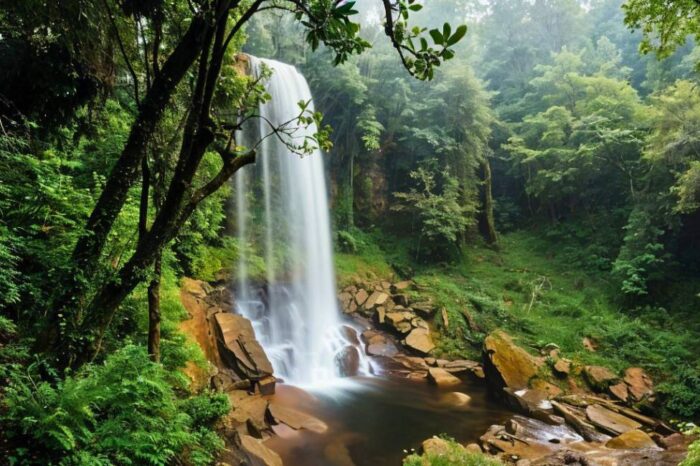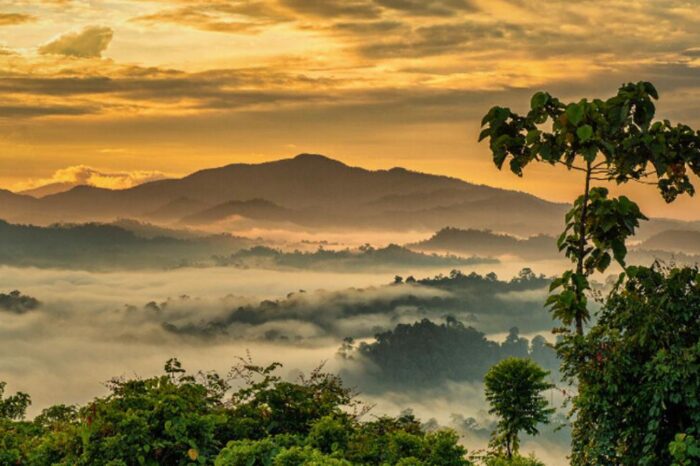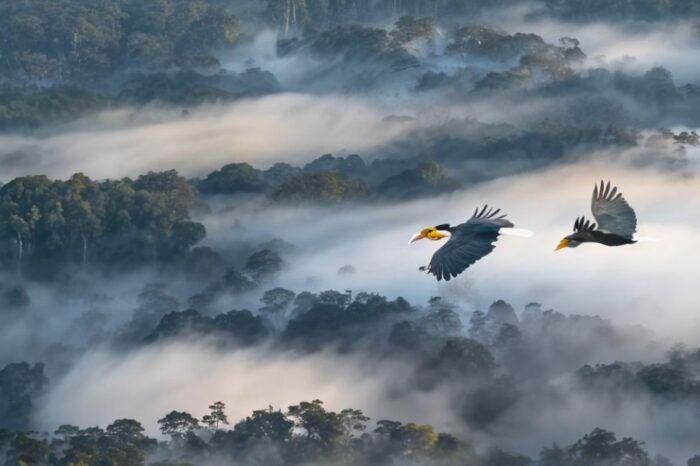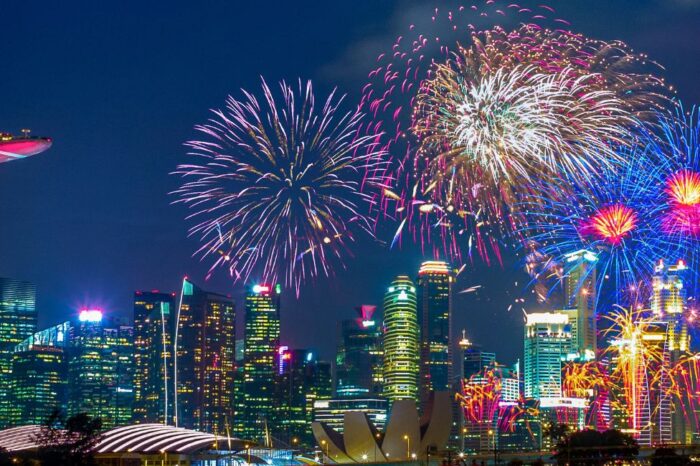
Sarawak Cultural Village, Kubah National Park, Kek Lapis Sarawak, Tanjung Aru Sunset, Sapi Island
Tanjung Aru Beach, Darul Hana Bridge, Utan Wildlife Centre,, Tanjung Aru Beach, Kuching Waterfront
Kuching Waterfront, Darul Hana Bridge, Sapi Island, Borneo Cultures Museum, Tanjung Aru Beach
Malaysia tour packages offer a perfect blend of tropical beauty, rich culture, and modern adventure in one of Southeast Asia’s most captivating destinations.
Malaysia tour packages offer a perfect blend of tropical beauty, rich culture, and modern adventure in one of Southeast Asia’s most captivating destinations. From the soaring Petronas Twin Towers and the vibrant heritage streets of Penang to the pristine beaches of Langkawi and the cool mist of Cameron Highlands, Malaysia promises unforgettable experiences. Indulge in world-class shopping, savor a kaleidoscope of cuisines, and immerse yourself in thrilling adventures like jungle trekking, island hopping, and cave exploration. Whether you’re planning a family vacation, a romantic getaway, or a culture-rich journey, our Malaysia tour packages cater to every traveler’s dream. Discover the magic of Malaysia – a land that is Truly Asia.
Malaysia, a Southeast Asian gem, is a federation of 13 states and 3 federal territories spanning the Malay Peninsula and the northern part of Borneo island. Known for its extraordinary diversity – in culture, cuisine, landscape, and wildlife – Malaysia strikes a rare balance between a buzzing modern metropolis and untouched natural wonders. With its iconic skyline in Kuala Lumpur, ancient rainforests older than the Amazon, and warm, hospitable people, it offers something remarkable for every kind of traveler.
Temperature: Average of 23°C to 35°C (tropical climate year-round)
Currency: Malaysian Ringgit (MYR)
Language: Bahasa Malaysia (English widely spoken)
Capital: Kuala Lumpur
Population: Approximately 33 million
Popular Tourist Destinations: Petronas Twin Towers, Langkawi, Batu Caves, Penang, Cameron Highlands
Time Zone: UTC+08:00
Area: 329,847 square kilometers
Calling Code: +60
Malaysia is often called the “Pearl of the Orient,” and for good reason. It is a country where towering skyscrapers stand alongside ancient Hindu temples, where you can have breakfast in a buzzing hawker center and be in the heart of a primeval rainforest by afternoon. The capital, Kuala Lumpur, is a cosmopolitan city that dazzles with the iconic Petronas Twin Towers – once the tallest buildings in the world – luxury malls, and a vibrant nightlife. Yet just a short drive away, the Cameron Highlands offer cool breezes, endless rows of tea plantations, and strawberry farms.
Malaysia is also famous for its food. From the fiery Nasi Lemak and char kway teow of the street stalls to the elaborate spreads of Nyonya cuisine, eating is a cultural experience in Malaysia. The country hosts the George Town Festival in Penang each year, celebrating art, culture, and heritage in one of Asia’s most characterful cities. Shopping malls in Kuala Lumpur, like Pavilion KL and Mid Valley Megamall, rival any in the world, while Petaling Street’s night market offers a different, equally exhilarating shopping adventure. Whether you are here for the beaches, the rainforests, the food, or the culture, Malaysia delivers an experience that stays with you long after you leave.
Petronas Twin Towers: Once the tallest buildings in the world, with a sky bridge connecting the two towers and a breathtaking observation deck on the 86th floor.
Langkawi: A stunning duty-free archipelago of 99 islands known for pristine beaches, the world-famous Sky Bridge, and lush rainforest cable car rides.
Batu Caves: A series of limestone caves and Hindu temples approached by 272 colorful steps, crowned by a towering 42.7-meter golden statue of Lord Murugan.
Cameron Highlands: Malaysia’s premier hill station at 1,500 meters elevation, draped in tea plantations, strawberry farms, and cool misty air.
Penang (George Town): A UNESCO World Heritage city famed for its vibrant street art, colonial architecture, clan jetties, and a legendary street food scene ranked among the world’s best.
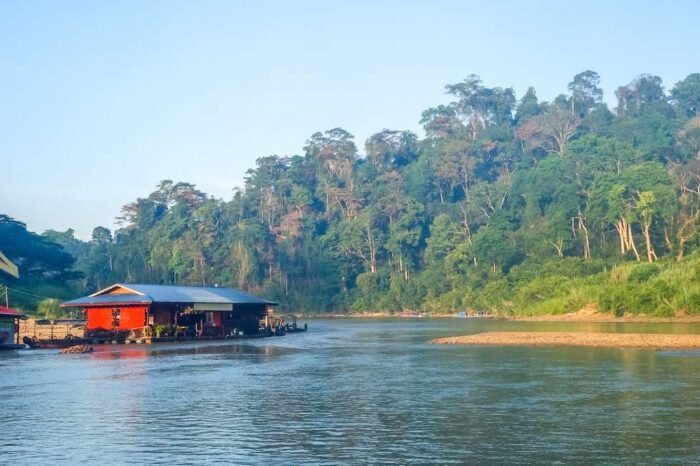
Malaysia caters to every traveler, whether you crave adrenaline or prefer a slow, scenic exploration. Adventure seekers can go white-water rafting on the Padas River in Sabah, dive into the crystal-clear waters around Perhentian Islands or Sipadan – rated among the world’s top dive sites – or trek through Taman Negara, one of the world’s oldest tropical rainforests at over 130 million years old. Families love Sunway Lagoon, a massive theme and water park complex outside Kuala Lumpur, or a magical twilight cruise through the mangroves of Kuala Selangor to watch thousands of fireflies lighting the riverbank trees like a natural light show. For food lovers, Malaysia is paradise – a culinary journey spanning Malay, Chinese, Indian, and Peranakan cuisines, all available on the same street. Savor a bowl of Penang asam laksa, bite into a freshly made roti canai with dal, or try the iconic Hainanese chicken rice. The flavors here are as diverse as the people.
Malaysia is located in Southeast Asia, split into two distinct regions: Peninsular Malaysia (West Malaysia) and Malaysian Borneo (East Malaysia, comprising the states of Sabah and Sarawak). The country is bordered by Thailand to the north and shares maritime boundaries with Singapore, Indonesia, Brunei, and the Philippines. The South China Sea separates the two regions. Malaysia’s terrain is dominated by tropical rainforests, central mountain ranges, and a long coastline lined with beautiful beaches. The highest peak, Mount Kinabalu in Sabah, stands at 4,095 meters above sea level and is one of Southeast Asia’s most popular trekking destinations.
Malaysia’s history is as layered as its culture. The Malay Peninsula was once part of powerful ancient kingdoms, including the Srivijaya Empire and the Majapahit Empire. The founding of the Malacca Sultanate in the early 15th century marked a golden age, with Malacca becoming one of the most important trading ports in the known world. The Portuguese arrived in 1511, followed by the Dutch, and then the British, whose colonial influence shaped much of Malaysia’s modern infrastructure, legal system, and language. Malaysia achieved independence on August 31, 1957 – a date celebrated every year with immense national pride. Since then, Malaysia has transformed into one of Southeast Asia’s most dynamic and prosperous economies, while carefully preserving its rich multicultural heritage.
Malaysia is a multicultural country where Islam is the official religion, though Hinduism, Buddhism, Christianity, and other faiths are freely and openly practiced. It is important to respect local customs and religious sensitivities during your visit. When visiting mosques or temples, dress modestly – cover your shoulders and knees, and remove your shoes before entering. During the holy month of Ramadan, eating or drinking in public during daylight hours should be done discreetly out of respect for those fasting. The people of Malaysia are among the most warm and welcoming in Asia. As a general rule, maintain a respectful tone, keep your voice low in religious spaces, and always ask permission before photographing individuals, especially in rural or indigenous communities.
Malaysia is one of the most ethnically diverse countries in Asia. The population is made up of the Bumiputera (Malays and indigenous peoples), Chinese Malaysians, Indian Malaysians, and a rich variety of other ethnic groups from Sabah and Sarawak such as the Kadazan-Dusun, Iban, and Bidayuh peoples. This extraordinary diversity is celebrated through a vibrant calendar of festivals – Hari Raya Aidilfitri, Chinese New Year, Deepavali, and Christmas are all gazetted public holidays, reflecting the spirit of unity in diversity that defines Malaysia’s national identity.
Bahasa Malaysia (Malay) is the official language of the country. However, English is widely spoken, especially in urban areas, hotels, restaurants, and all major tourist destinations. You will also frequently hear Mandarin, Tamil, Hokkien, Cantonese, and various indigenous languages, reflecting the country’s rich multicultural fabric. Navigating Malaysia as a traveler is generally very easy – signboards, menus, and information at tourist sites are commonly available in English, making it one of the most traveler-friendly destinations in Southeast Asia.
The currency used in Malaysia is the Malaysian Ringgit (MYR). The exchange rate is approximately 1 MYR = 18 to 19 Indian Rupees, making Malaysia an outstanding value destination for Indian travelers. ATMs are widely available across cities and tourist areas, and credit cards are accepted at most hotels, malls, and restaurants. Hawker stalls and local markets typically operate on a cash basis, so it is advisable to always carry some Ringgit for everyday street-level expenses and local experiences.
Malaysia offers an extraordinary tapestry of experiences, whether you are drawn by its futuristic cities, ancient rainforests, pristine island beaches, or its legendary food culture. From the glittering towers of Kuala Lumpur to the tranquil tea gardens of Cameron Highlands and the coral-rich waters of Sipadan, Malaysia is a destination that surprises, delights, and stays with you. Plan your perfect holiday and discover why this truly diverse and beautiful country continues to charm millions of visitors from around the world every year.
This strikingly diverse country is a true mosaic of modernity and ancient tradition. From humble fishing villages and tin-mining towns, Malaysia has transformed into one of Asia’s most dynamic and exciting destinations – without ever losing sight of what makes it extraordinary.
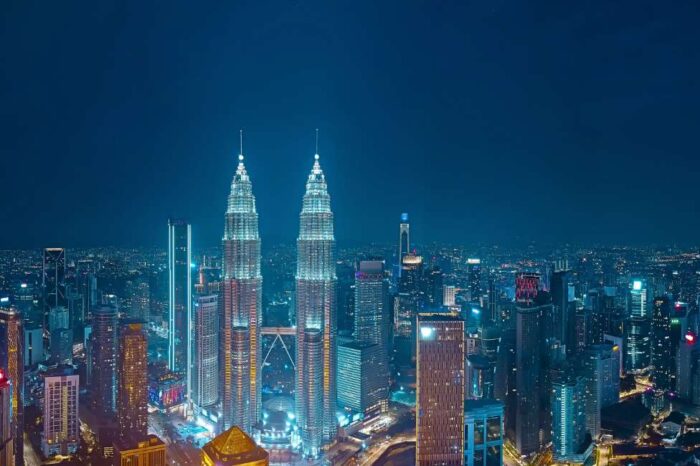
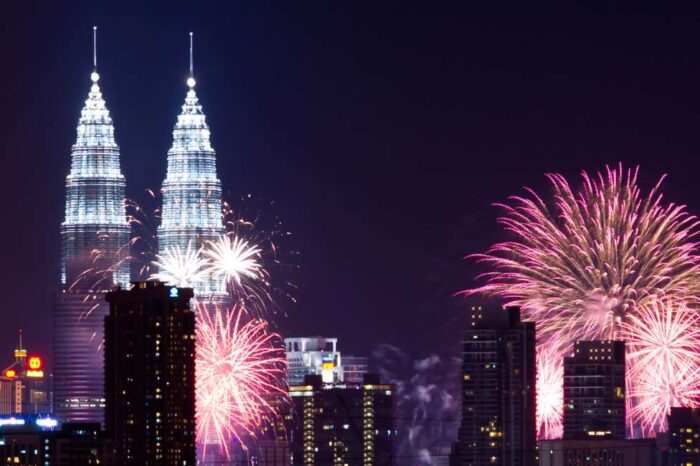
The Petronas Twin Towers are the most iconic symbol of Malaysia’s remarkable rise as a modern nation and an unmissable landmark in Kuala Lumpur. These gleaming postmodern steel towers stand 452 meters tall and were the world’s tallest buildings from 1998 to 2004. The sky bridge connecting the two towers on the 41st and 42nd floors offers a breathtaking view of Kuala Lumpur’s skyline – a view that feels almost surreal when you realize you are standing suspended between the two towers in mid-air. The observation deck on the 86th floor gives you a sweeping 360-degree panorama of the entire city. Located within the KLCC complex below, you have access to a beautifully landscaped urban park, the Suria KLCC shopping mall, a world-class aquarium, and an impressive array of dining options. The Petronas Twin Towers are open from 9:00 am to 9:00 pm (closed on Mondays). Tickets are required for children aged 4 years and above. Children below 4 years enter free. Timings may vary during Ramadan – confirm in advance before your visit. Tickets sell out quickly, especially on weekends and public holidays. Advance booking is strongly recommended.
The Batu Caves are one of Malaysia’s most iconic landmarks and a site of immense religious and cultural significance, located just 13 kilometers north of Kuala Lumpur and easily accessible by commuter train. This series of ancient limestone caves and Hindu temples sit inside a massive limestone outcrop estimated to be 400 million years old. The 42.7-meter golden statue of Lord Murugan at the entrance is the tallest statue of a Hindu deity in Malaysia and one of the tallest in the world – impossible to miss and impossible to forget. The most famous section, the Temple Cave, is reached via 272 colorful steps – a climb that is part workout, part pilgrimage, and entirely rewarding. The caves are most spectacular during the Thaipusam festival, which draws over a million devotees and visitors each year in a magnificent display of devotion and color. The Batu Caves are open daily from 6:00 am to 9:00 pm. Entry to the cave itself is free. Wear comfortable footwear suitable for the staircase climb and dress modestly as this is an active place of worship.
Langkawi is an archipelago of 99 islands off the northwest coast of Malaysia, and it is unlike any other destination in the country. Designated a UNESCO Global Geopark, the island is a duty-free zone – a paradise for shoppers – but its greatest appeal lies in its raw natural beauty: pristine white-sand beaches, turquoise waters, emerald mangroves, and lush rainforest that tumbles down to the sea. The Langkawi Sky Bridge, a dramatic 125-meter curved pedestrian bridge suspended 700 meters above sea level on Gunung Mat Cincang, is a must-visit – one of the most spectacular viewpoints in all of Southeast Asia. You reach it via the Langkawi Cable Car, which itself offers jaw-dropping views across the island and the shimmering Andaman Sea. Boat tours through the mangrove forests, eagle-watching cruises at Dataran Lang (Eagle Square), island-hopping between deserted beaches, and snorkeling in clear shallow lagoons are equally memorable experiences that will fill your days beautifully.
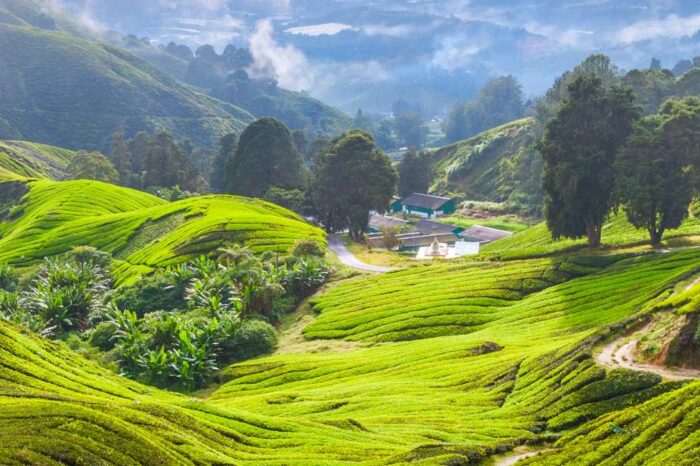
Nestled in the Titiwangsa mountain range at an elevation of approximately 1,500 meters, the Cameron Highlands is Malaysia’s most beloved hill destination – a world completely apart from the sweltering heat of the lowlands. The highlands are blanketed with perfectly manicured rows of tea bushes that stretch across entire hillsides in waves of brilliant green. A visit to the BOH Tea Plantation – one of the largest and most celebrated tea producers in Southeast Asia – is an absolute highlight. You can walk through the plantation, watch the complete tea-making process from freshly plucked leaf to finished cup inside the factory, and conclude with a cup of freshly brewed BOH tea at the scenic hillside café overlooking a vast sea of green. The Cameron Highlands are also well loved for strawberry farms where you pick your own berries, honey bee farms, butterfly gardens, and mossy forest trails. There are no age restrictions, making this a wonderful experience for the entire family. Best visited between March and September for clear weather.
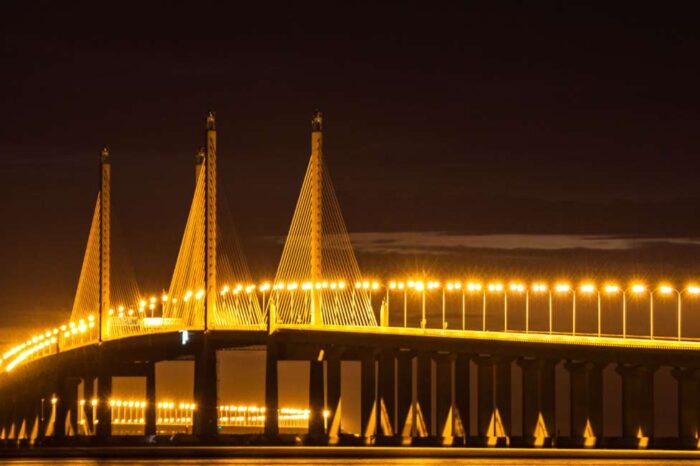
Penang is unlike anywhere else in Malaysia – and arguably, anywhere else in the world. The island state, connected to the mainland by a 13.5-kilometer bridge, has been consistently named one of the world’s greatest food destinations. George Town, its capital, is a UNESCO World Heritage City, its streets lined with pre-war shophouses, clan jetties jutting out over the sea, colonial-era buildings, and vibrant street art murals that have turned the city into an open-air gallery. A heritage walk through George Town takes you past the magnificent Khoo Kongsi – a grand Chinese clan house and temple – the Penang Peranakan Mansion, Fort Cornwallis, and the Sri Mahamariamman Temple. But the true star of Penang is its food. Asam laksa, char kway teow, cendol, nasi kandar, and Penang hokkien mee are dishes you must eat here to truly understand what Malaysian cuisine means at its finest. A Penang food tour is not optional – it is the entire point. Child tickets for heritage tours are applicable for children up to 12 years. Children below 3 years do not require a ticket for most attractions.
The Perhentian Islands, off the northeastern coast of peninsular Malaysia in the South China Sea, are among the most beautiful islands in all of Southeast Asia and a haven for divers, snorkelers, and anyone who simply wants to sit on a white sand beach and stare at turquoise water. The two main islands – Perhentian Besar (Big Island) and Perhentian Kecil (Small Island) – are surrounded by extraordinarily clear water teeming with marine life, including green sea turtles, black-tip reef sharks, moray eels, and vast colorful coral gardens in very shallow water. Island hopping tours take you to the best snorkeling spots around both islands, secluded beaches, and elevated viewpoints with panoramic sea views. The water visibility can reach 20 meters or more on a clear day – one of the finest snorkeling experiences you will find anywhere, no scuba certification required. The Perhentian Islands are best visited between March and October. The monsoon season from November to February brings rough seas and most resorts and tour operators close. Snorkeling equipment is available for hire directly on the island. Children must be supervised closely in the water at all times, and certain marine conservation zones have restricted swimming areas to protect the reef ecosystem.
98742 84569
98743 61951
Mon-Sat 11.00AM-07.30PM