Andhari Tiger Reserve, Largest Tiger Reserve, Tadoba Lake, Butterfly Garden, Jungle Safari
Maharashtra Tour
Majestic, Mystical, Magnificent – Maharashtra.
A land where the roar of the sea meets the silence of ancient caves. Where Chhatrapati Shivaji’s forts crown every hilltop and Bollywood dreams light up every skyline. Maharashtra is India’s powerhouse — a state that carries the soul of a warrior, the grace of a saint, and the energy of a city that never sleeps. From the thundering ghats of the Sahyadri to the serene shores of the Konkan, from UNESCO-listed cave temples to neon-lit Marine Drive, Maharashtra is a destination that demands to be felt — not just visited.
Capital: Mumbai
Official Language: Marathi
Dial Code: 022 (Mumbai)
Population: 112,372,972 (as of 2011)
Currency: Indian Rupee (INR)
Time Zone: UTC+05:30 (IST)
Area: 307,713 square km
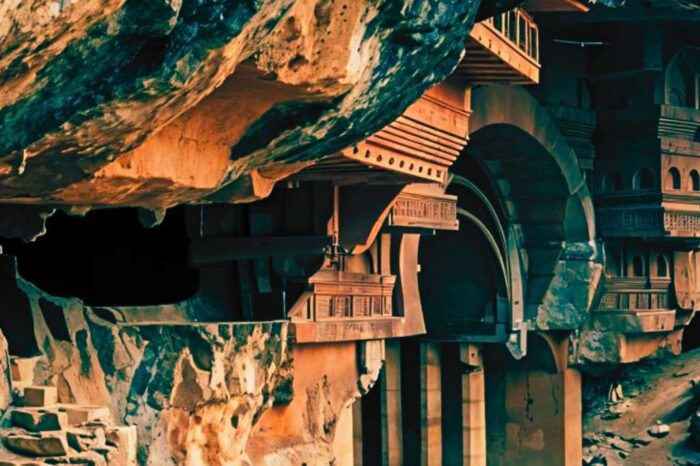
Maharashtra is India’s fort capital — with over 350 forts, it holds more than any other state in the country. Each fort is a chapter from the life of Chhatrapati Shivaji Maharaj, the warrior king who built an empire out of sheer will and tactical genius. Raigad Fort was his crowned capital — a citadel perched 820 metres above sea level, where he was coronated in 1674. Pratapgad Fort in the Sahyadri witnessed the historic killing of Afzal Khan. The Shaniwar Wada in Pune was the seat of the Peshwa empire, whose ruins still echo with political intrigue. For those who love archaeology, the Ajanta Caves — a UNESCO World Heritage Site — offer 30 rock-cut Buddhist cave monuments dating back to the 2nd century BCE, with paintings so vivid they seem freshly brushed. History in Maharashtra is not museum glass — it is stone underfoot and wind in your face.
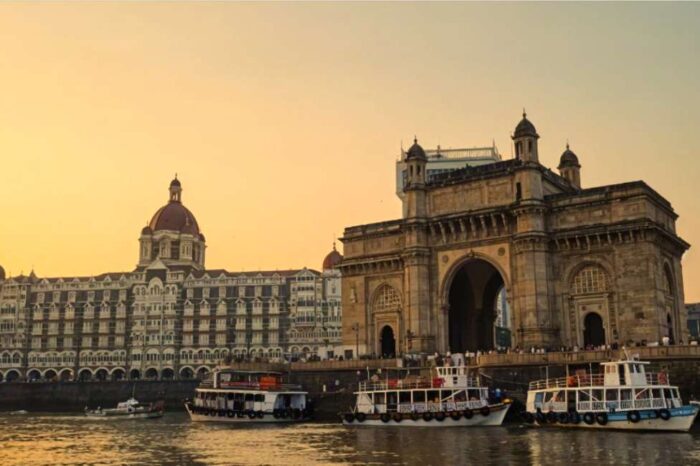
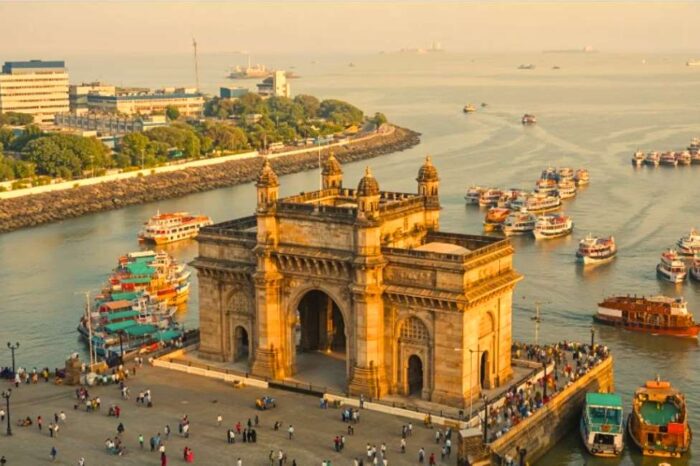
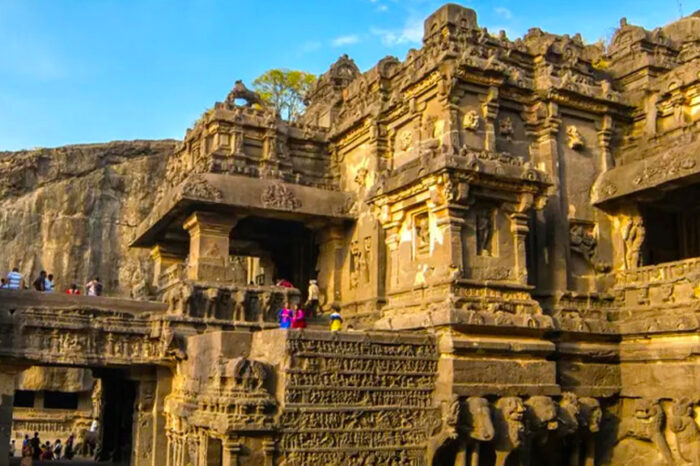
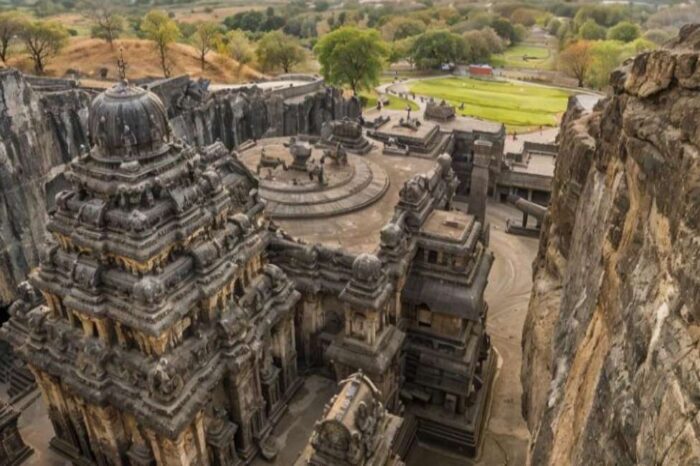
Maharashtra’s architecture spans 2,000 years — from Buddhist rock-cut caves to Indo-Saracenic colonial buildings. The Ellora Caves are a jaw-dropping UNESCO World Heritage Site where 34 caves represent Hindu, Buddhist, and Jain faiths, carved side by side into a single mountain — a rare monument to religious coexistence. The Kailasa Temple inside Ellora, carved top-down from a single rock, is considered one of the greatest feats of human engineering in history. In Aurangabad, Bibi Ka Maqbara — often called the “Taj of the Deccan” — is a stunning 17th-century white marble mausoleum built by Mughal prince Azam Shah for his mother. In Mumbai, the Chhatrapati Shivaji Maharaj Terminus (CSMT), a UNESCO Heritage Site, blends Victorian Gothic with Indian architecture in a way that stops you mid-step. The Gateway of India, built in 1924 to commemorate King George V’s visit, is Maharashtra’s postcard landmark.
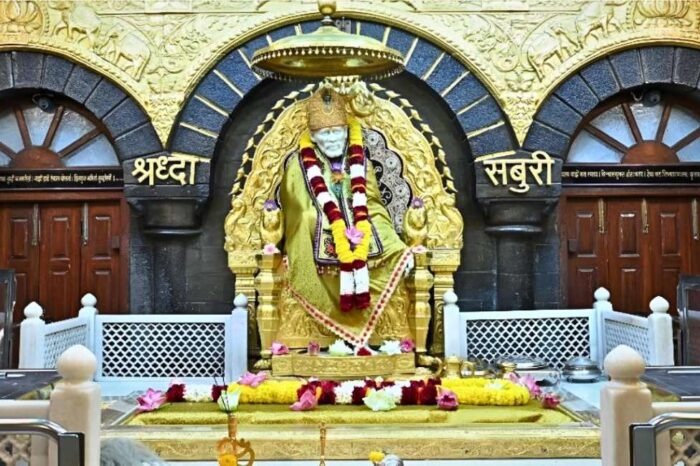
Maharashtra is one of India’s most sacred states. Shirdi, the home of Sai Baba, draws millions of devotees every year — a spiritual equaliser that transcends religion and caste. The Trimbakeshwar temple near Nashik is one of the 12 Jyotirlingas of Lord Shiva — among the holiest pilgrimage sites in Hinduism. Pandharpur, on the banks of the Bhima River, is the spiritual heart of the Varkari sect, where the deity Vitthal is worshipped through a tradition of walking pilgrimages called Waris. Ganpatipule on the Konkan coast is a beautiful seaside temple dedicated to Lord Ganesha — where the deity is said to be swayambhu (self-manifested). The Haji Ali Dargah in Mumbai, sitting on an islet in the Arabian Sea, is a symbol of communal harmony, drawing Hindus and Muslims alike. Religion in Maharashtra is not a quiet affair — it is procession, devotion, and celebration rolled into one.
Maharashtra’s culture is as layered as its geography. The Lavani — a high-energy, expressive folk dance performed by women in nine-yard sarees — is the state’s most iconic cultural export. The Powada is a ballad tradition, oral storytelling through song that narrates the valor of Shivaji and other heroes. Warli art — the tribal dot-and-line painting from the Sahyadri region — has found global acclaim and now graces galleries worldwide. The Koli fishermen of Mumbai have their own distinct culture, music, and festivals. Maharashtrian cuisine is a masterclass in bold flavours: Misal Pav, Vada Pav, Puran Poli, Sol Kadhi, Kolhapuri Chicken, and Modak (Lord Ganesha’s favourite) are just the beginning. The state’s literary and theatrical tradition — particularly Marathi theatre — is one of the oldest and most respected in India.
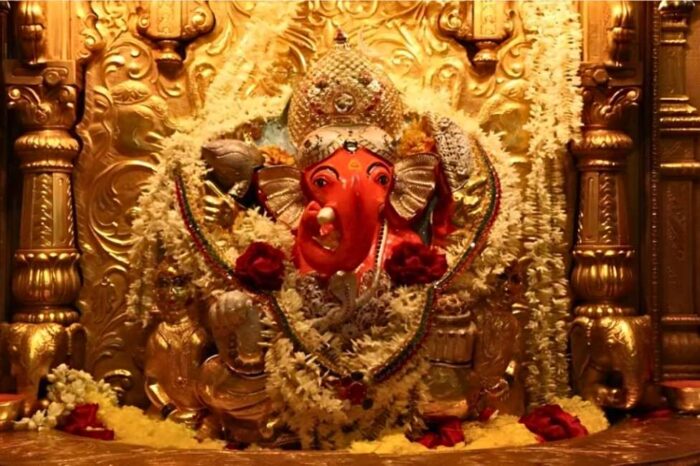
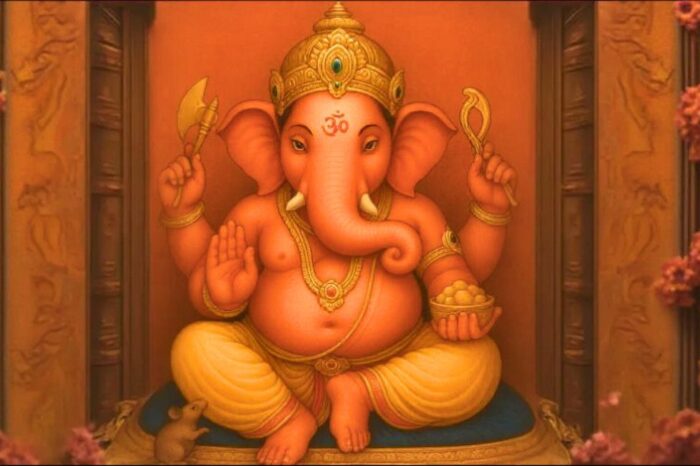
No festival in India compares to Ganesh Chaturthi in Maharashtra. For 10 days, the entire state transforms into a living, breathing celebration — with massive Ganesha idols, processions, music, dance, and community feasts. Mumbai’s Lalbaugcha Raja attracts over 1.5 million devotees in a single day. The Kala Ghoda Arts Festival in Mumbai is a 9-day celebration of art, music, theatre, and food that draws artists and performers from across the world. Nashik’s Kumbh Mela — held every 12 years — is the world’s largest human gathering, where millions bathe in the Godavari River for spiritual cleansing. Diwali in Pune is lit in a way that makes the city shimmer. Narali Purnima marks the Koli community’s offering to the sea — a festival of colour, coconuts, and courage. Maharashtra’s festive calendar is a year-round spectacle.
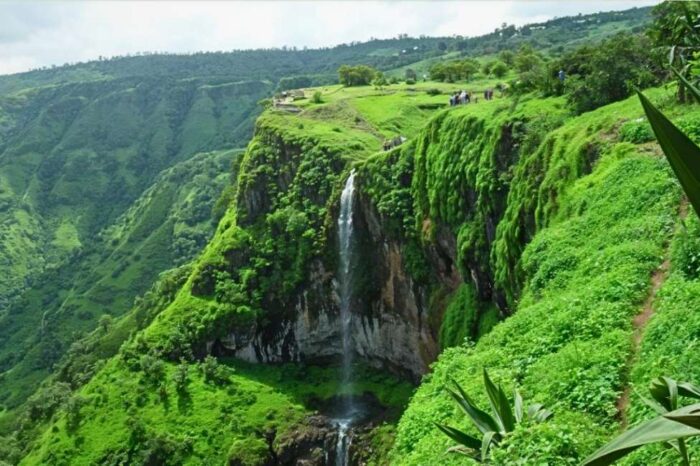
Maharashtra’s nature is as diverse as its culture. The Sahyadri mountain range (Western Ghats) is a UNESCO World Heritage Biodiversity Hotspot — home to leopards, sloth bears, Indian giant squirrels, and over 450 species of birds. Tadoba-Andhari Tiger Reserve in Chandrapur is Maharashtra’s largest and oldest national park and one of India’s best for tiger sightings. The Konkan coastline stretches for 720 km — a chain of pristine beaches, mangroves, and coconut groves that remain largely untouched. Lonavala and Mahabaleshwar, perched in the Sahyadri, offer sweeping valley views, waterfalls, and strawberry farms. Bhimashankar Wildlife Sanctuary is a cloud forest, dripping green and alive with the endangered Indian Giant Squirrel. Nature in Maharashtra doesn’t whisper — it pours.
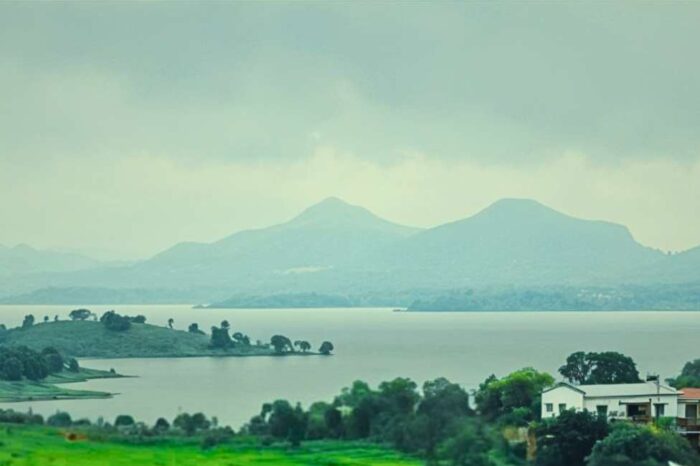
Maharashtra is located on the western and central part of India, bordered by the Arabian Sea to the west. It shares borders with Gujarat and Madhya Pradesh to the north, Chhattisgarh and Telangana to the east, Karnataka to the south, and Goa to the southwest. The state is bisected by the Western Ghats — a mountain spine that separates the lush Konkan coast from the drier Deccan plateau. This geographical diversity has shaped Maharashtra into a state of sharp contrasts: urban megacities and tribal forest villages, crashing ocean waves and still mountain lakes, all within a few hours of each other.
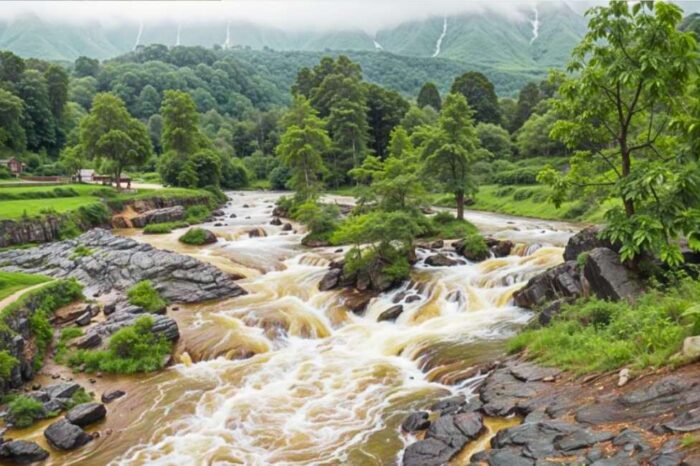
Maharashtra is a year-round destination, but the best time to visit is from October to March. Post-monsoon (October–November), the Sahyadri mountains and the Konkan coast turn impossibly green and lush — ideal for trekking and waterfalls. Winter (December–March) brings cool, pleasant weather perfect for city exploration, heritage tours, and wildlife safaris. Monsoon (June–September) is spectacular in the Ghats — waterfalls are in full roar and the landscape turns emerald — but travel can be disrupted. Summers (April–May) are hot on the Deccan plateau, though Mahabaleshwar and other hill stations offer a cool escape.
By Road: Maharashtra has one of India’s most extensive road networks, with national and state highways connecting all major cities. The Mumbai–Pune Expressway is one of India’s finest highways. Self-drives through the Sahyadri, Konkan, and Vidarbha regions are a favourite among road-trippers for their scenic beauty and accessibility.
By Rail: Maharashtra is superbly connected by rail. Mumbai’s Chhatrapati Shivaji Maharaj Terminus (CSMT) is one of India’s busiest railway hubs, with trains to every major city in the country. Pune, Nagpur, Aurangabad, Nashik Road, and Kolhapur are all well-served by the Indian Railways network, making train travel a comfortable and iconic way to explore the state.
By Flight: Maharashtra has three international airports — Mumbai (Chhatrapati Shivaji Maharaj International Airport), Pune, and Nagpur. Mumbai is India’s busiest airport and the primary gateway for international travellers. Domestic airports in Aurangabad, Kolhapur, and Shirdi serve the interior regions. From Mumbai, every major destination in Maharashtra is within a 4–6 hour drive.
Maharashtra’s history is as epic as its landscape. The region was once part of the Satavahana Empire, which ruled from the 1st century BCE and left behind the remarkable Ajanta and Ellora cave temples. Later, the Rashtrakuta, Chalukya, and Yadava dynasties shaped the cultural and religious identity of the Deccan. The Bahmani Sultanate and then the Adil Shahi and Nizam Shahi kingdoms of Ahmednagar brought Islamic influence into the region. But the most defining chapter of Maharashtra’s history is the rise of Chhatrapati Shivaji Maharaj in the 17th century — who founded the Maratha Empire, one of the largest empires in Indian history, stretching from present-day Pakistan to Odisha at its peak. The Peshwas of Pune then expanded the empire further before British colonial rule absorbed the region into the Bombay Presidency in the 19th century. After independence, the Samyukta Maharashtra Movement of 1956 led to the formation of Maharashtra as a linguistically unified state on 1 May 1960 — a date celebrated annually as Maharashtra Day. Today, with Mumbai as its nerve centre, Maharashtra is India’s most economically productive state — a place where ancient heritage and modern ambition walk shoulder to shoulder.
Mumbai is not just a city — it is a feeling. The financial capital of India and the home of Bollywood, Mumbai is a city of relentless energy, impossible contrasts, and unshakeable dreams. From the iconic Gateway of India facing the Arabian Sea, to the heritage grandeur of CSMT and the Chhatrapati Shivaji Maharaj Vastu Sangrahalaya (formerly Prince of Wales Museum), every corner of Mumbai tells a story. The Marine Drive promenade — the “Queen’s Necklace” — glitters at night with an elegance that never gets old. Dharavi, one of the world’s most densely populated urban settlements, is home to a thriving economy of artisans and entrepreneurs. Bollywood studio tours, street food trails through Mohammed Ali Road and Juhu Beach, the ancient Elephanta Caves on a nearby island (UNESCO World Heritage Site), and the hipster buzz of Bandra make Mumbai an experience that takes lifetimes to fully absorb. Mumbai doesn’t just welcome you — it consumes you, in the best way possible.
Pune is Mumbai’s younger, calmer, smarter sibling. The cultural and educational capital of Maharashtra, Pune is home to some of India’s finest universities, a thriving IT sector, and a café culture that feels like a blend of Oxford and Bengaluru. The Shaniwar Wada — ruins of the once-magnificent Peshwa palace — is the city’s historical soul. The Aga Khan Palace, where Mahatma Gandhi was imprisoned during the Quit India Movement, is a place of quiet national significance. The Osho International Meditation Resort draws global seekers year-round. Sinhagad Fort, perched on a steep hilltop 30 km from Pune, is a favourite weekend trek for Punekars. Pune is also the gateway to Lonavala, Khandala, and Mahabaleshwar, all within a two-hour drive. For food lovers, Pune’s street food — Misal Pav, Bhakri, and Mastani (a thick milkshake) — is legendary.
Aurangabad — officially now renamed Chhatrapati Sambhajinagar — is the gateway to Maharashtra’s greatest archaeological treasures: the Ajanta and Ellora Caves. Ajanta (29 rock-cut Buddhist cave temples, dating back to 2nd century BCE) holds some of the finest ancient paintings and sculptures in the world. Ellora (34 caves representing Hindu, Buddhist, and Jain faiths) features the jaw-dropping Kailasa Temple — a single-rock monolith carved from the top down, without a single structural seam. In the city itself, Bibi Ka Maqbara — a 17th-century white marble mausoleum modelled on the Taj Mahal — stands as a tribute to Mughal architecture. Daulatabad Fort, a medieval hill fortress 13 km from the city, was once the capital of an empire. Aurangabad is also known for Paithani silk sarees and Himroo weaving — luxurious textiles with a 2,000-year-old tradition. This city is where India’s past speaks the loudest.
Nashik is a city of three identities — holy city, wine capital, and gateway to adventure. As one of the four hosts of the Kumbh Mela (the world’s largest human gathering), Nashik’s Ramkund on the Godavari River is one of India’s most sacred bathing ghats. The Trimbakeshwar Jyotirlinga temple, 30 km from Nashik, is among the holiest Shiva temples in India. And yet, just 20 km further, the Sula Vineyards and Soma Vineyards offer wine-tasting sessions in a landscape of rolling hills and grape orchards that wouldn’t look out of place in Tuscany. Nashik is surrounded by ancient forts — Anjaneri (believed to be the birthplace of Lord Hanuman), Harihar, and Alang among them — that attract trekkers from across the country. The Pandavleni Caves, 24 Buddhist rock-cut caves from the 1st century BCE, sit quietly on a hillside just outside the city. Nashik is the kind of place where a saint and a sommelier would both feel at home.
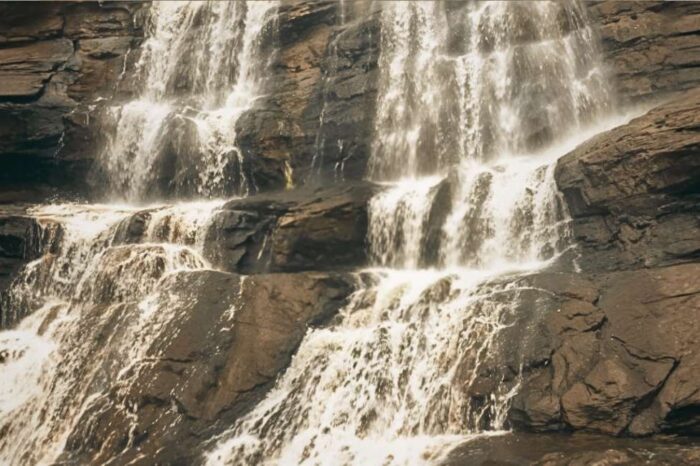
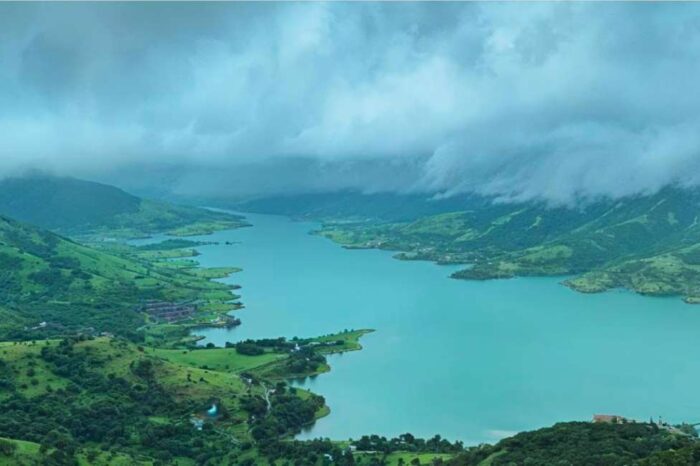
Mahabaleshwar is Maharashtra’s queen of hill stations — and it earns that title every monsoon when waterfalls cascade down every cliff and the valleys below disappear into green mist. Sitting at 1,353 metres in the Sahyadri, it is the source of the Krishna River, and the Panchganga temple at its source is a sacred site. Arthur’s Seat viewpoint gives you a panoramic view of the Konkan plateau far below — a view so vast it humbles you. Venna Lake, at the heart of town, is perfect for a quiet boat ride. The Pratapgad Fort, a 20-minute drive, is where Shivaji famously killed Afzal Khan in 1659 — a turning point in Maratha history. Mahabaleshwar is also India’s strawberry capital — fresh strawberries with cream, sold roadside in season, are a ritual in themselves. Every year, the monsoon transforms this hill station into a watercolour painting come to life.
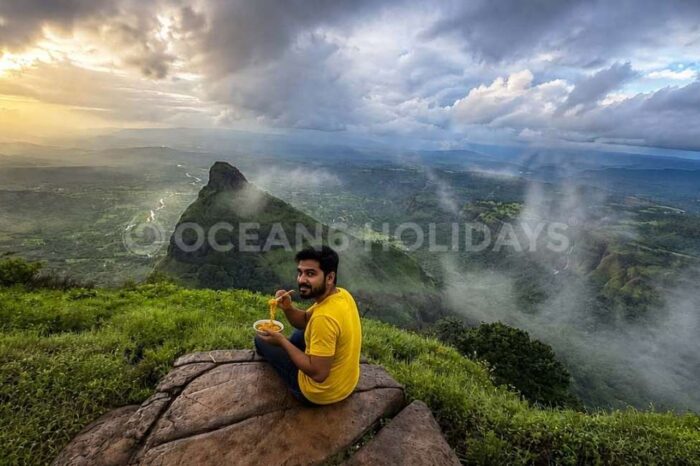
Lonavala and Khandala are Maharashtra’s weekend escapes — twin hill stations straddling the Sahyadri that fill up every Saturday with Mumbaikars and Punekars seeking green air and chikki (a local sweet). The Bhushi Dam, overflowing in monsoon, is a chaos of joy — families wading in cascading water, completely undeterred by the crowds. Tiger’s Leap viewpoint, named for the shape of the cliff that juts out over the valley, is one of the most photographed spots in the Western Ghats. The ancient Karla and Bhaja Buddhist Caves — some of the oldest rock-cut caves in India, dating to the 2nd century BCE — sit serenely on hillsides just outside the towns. Rajmachi Fort, reachable by a full-day trek, rewards you with stunning views across the Sahyadri range. For those who want easy beauty without too much effort, Lonavala delivers every time.
Kolhapur is Maharashtra’s royal south — a city that takes pride in its wrestler champions, its fiery red cuisine, its silver-crafted chappal (footwear), and its magnificent Mahalakshmi Temple. The New Palace of Kolhapur is a stunning 19th-century monument designed by the British architect Charles Mant, housing a fascinating museum of the royal Bhosle family’s treasures. The Rankala Lake at sunset is one of the most peaceful scenes in any Maharashtrian city. Kolhapur’s cuisine — particularly Kolhapuri Mutton Curry and Tambda Rassa — is legendary across India for its heat and depth of flavour. The Panhala Fort, 20 km from the city, is one of the largest forts in the Deccan and holds deep historical significance in the story of Chhatrapati Shivaji. Kolhapur is where culture and cuisine collide in the most satisfying way.
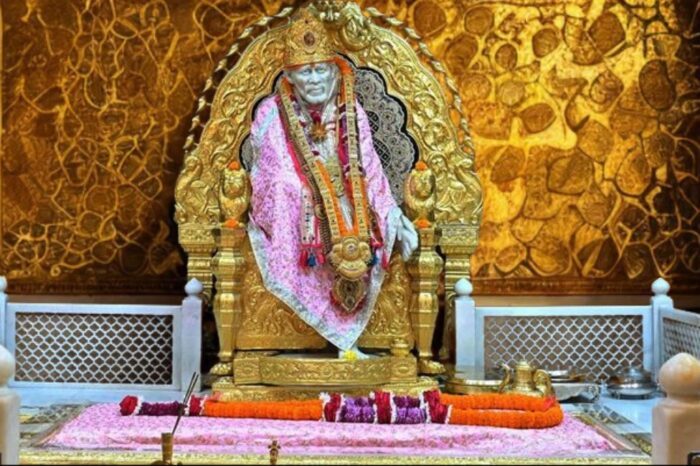
Shirdi is one of the most visited religious destinations in India — and for good reason. The town is the home of Sai Baba, a 19th-century saint revered equally by Hindus and Muslims, whose teachings of love, forgiveness, and universal brotherhood continue to draw over 25,000 pilgrims a day. The Shirdi Sai Baba temple complex is a model of crowd management and spiritual inclusivity — a rare combination. The Dwarkamai Mosque, where Sai Baba lived and performed miracles, and the Chavadi, where he slept on alternate nights, are both key sites within the complex. Shirdi is a 4-hour drive from Mumbai and well connected by rail and air. It is a place where faith is not a performance — it is a quiet, overwhelming presence felt the moment you enter.
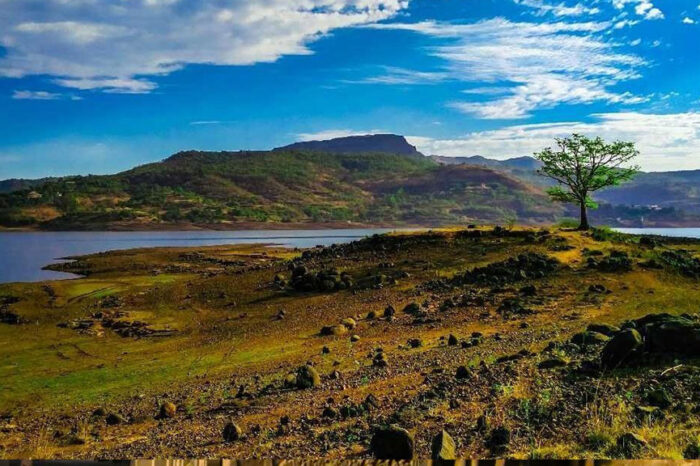
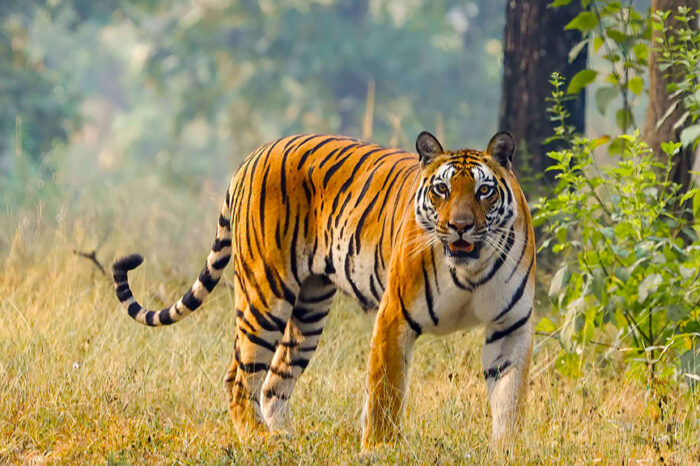
Tadoba is Maharashtra’s wild secret — and India’s tiger-watching crown jewel. Located in the Chandrapur district, this is the state’s largest and oldest national park, covering 625 sq km of dry deciduous forest. Tadoba consistently records some of India’s highest tiger sighting rates — making it the favourite destination for wildlife photographers and safari enthusiasts who want near-certainty rather than hopeful searching. Beyond tigers, the park is home to leopards, sloth bears, wild dogs, gaurs (Indian bison), and over 195 species of birds. The iconic Tadoba Lake inside the reserve is a gathering point for wildlife at dusk — a scene that has appeared in National Geographic more than once. Tadoba is best visited between February and May, when receding water forces wildlife to congregate near water bodies. One morning game drive here and you understand why Maharashtra’s wild side deserves as much attention as its cities.
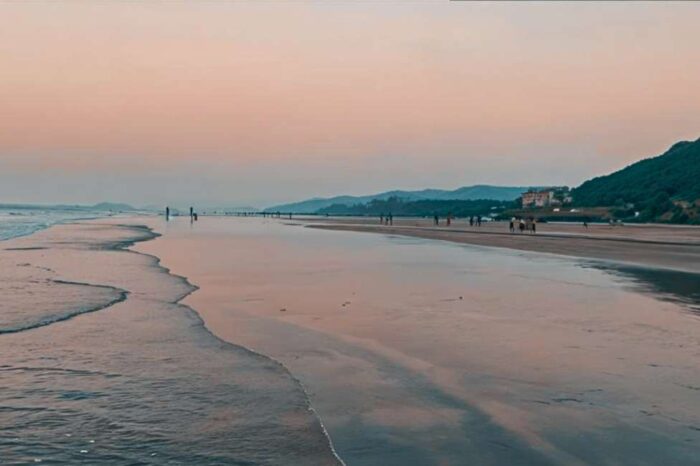
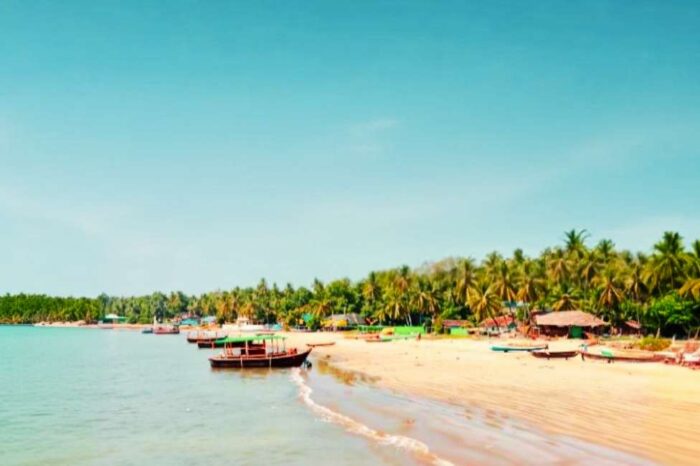
The Konkan — Maharashtra’s 720-km coastal strip between the Western Ghats and the Arabian Sea — is India’s best-kept beach secret. Unlike Goa, its neighbour to the south, Konkan has not yet been overrun by mass tourism, which is exactly its charm. Ganpatipule has a self-manifested Ganesha temple right on its beach — one of the most unique spiritual-plus-scenic experiences in India. Tarkarli and Malvan offer crystal-clear waters and some of the best snorkelling and scuba diving on India’s west coast. Alibaug, just 95 km from Mumbai by ferry, is the weekend retreat of choice for South Mumbai’s elite — with colonial-era forts, boutique stays, and empty beaches. Vengurla, Vijaydurg, and Ratnagiri (the birthplace of Bal Gangadhar Tilak) add history, mangoes, and cashew feni to the mix. The Konkan coast is where time slows down, coconut trees lean into the sea breeze, and life feels like it was designed for peace.
Nagpur is the geographical heart of India — and one of Maharashtra’s most underrated cities. Known as the Orange Capital, it produces some of the finest oranges in the country and the sweetness here is literal and cultural. Nagpur is an important Buddhist pilgrimage destination: Dr. B.R. Ambedkar chose Nagpur’s Deekshabhoomi as the site of his historic conversion to Buddhism in 1956, along with half a million followers — now a global Buddhist pilgrimage site. Ramtek Fort temple, 40 km from the city, is an ancient site associated with Lord Ram and offers a spectacular hilltop view. Tadoba is just 3 hours away, making Nagpur the base camp for many safari trips. The city is also home to the RSS headquarters — a landmark of Indian political history. Nagpur’s zero milestone, marking India’s geographical centre, is worth a quiet visit just for the metaphor it carries.
98742 84569
98743 61951
Mon-Sat 11.00AM-07.30PM