Temple, Glass Technique, Bronze Collection, Art Gallery, Painting, Stone Inlay, Hereditary Artisans
Ghat, Trail, Giant Squirrel, Birding, Dam, Tiger Reserve, Hills, Forest
Temple, Bell Tower, Library, Art Gallery, Bronze Collection, Painting Workshop, Church
Lake, Trail, Hills, Backwaters, Dam, Tea Slopes, Tea Estate, Grassland, Forest
Ghat, Giant Squirrel, Birding, Dam, Tiger Reserve Fringe, Coffee Estate, Falls, Hills
Bell Tower, Library, Art Gallery, Bronze Collection, Painting Workshop, Church, Beach
Tiger Jeep Safari, Elephant Camp, River Viewpoint, Forest, Nature Walk
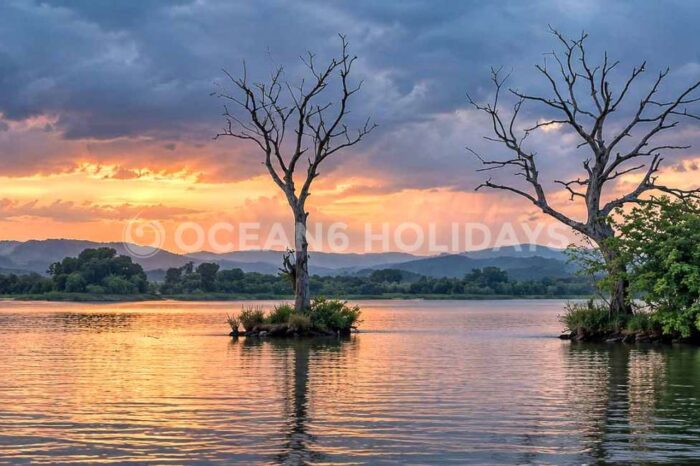
Elephant Camp, Tiger Jeep Safari, River, Tea Estate, Falls, Coffee Country
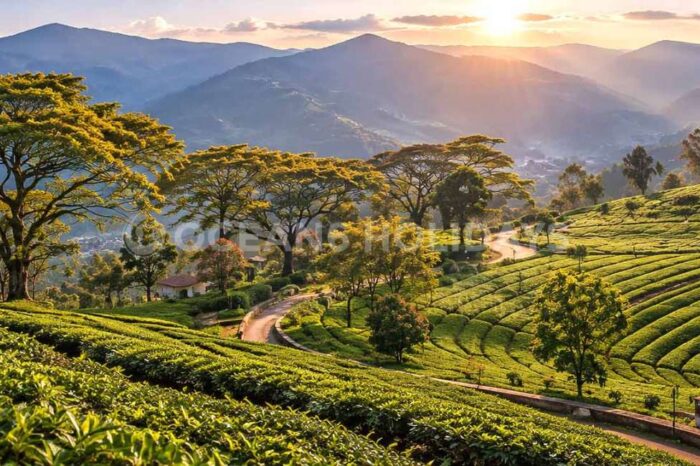
Dolphin Viewpoint, Forest, Caves, Dolmens, River, Valley, Church, Waterfall, Grassland
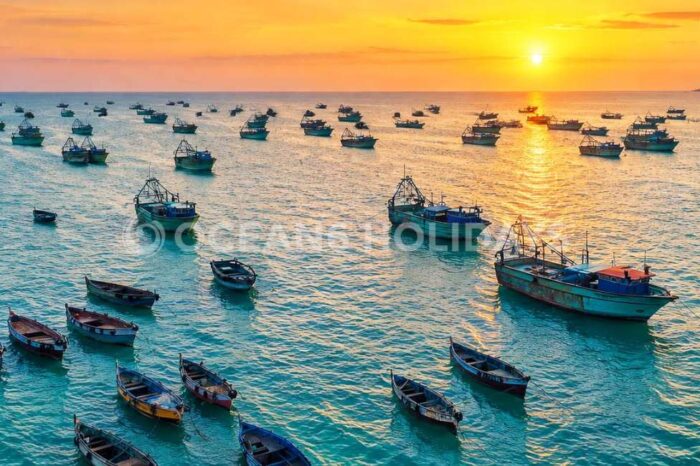
Temple, Bell Tower, Library, Painting Workshop, Church, Museum, Beach, Heritage
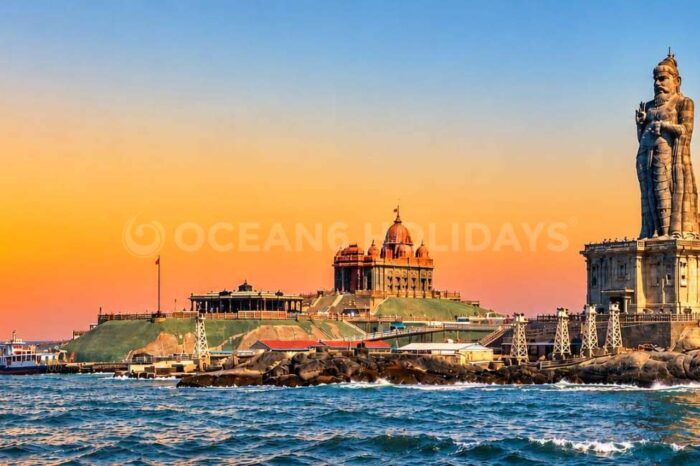
Temple, Museum, Statue, Sea Beaches, Ocean, Sunrise & Sunset

Boat Safari, Tiger Jeep Safari, Elephant Camp, Forest, Nature
Forest Corridor, Tiger Jeep Safari, Elephant Camp, River Viewpoint, Waterfall, Grassland, Tea Estate
Library, Art Gallery, Bronze Collection, Painting Workshop, Church, Alangaram Ritual
Offbeat Tamil Nadu Tour: A Traveller’s Guide to the State Beyond Its Postcards
Most people arrive in Tamil Nadu with a fixed picture: gopurams, temple towns, the beach at Mahabalipuram, a night in Ooty. That picture is accurate. It is also about one-fifth of the state.
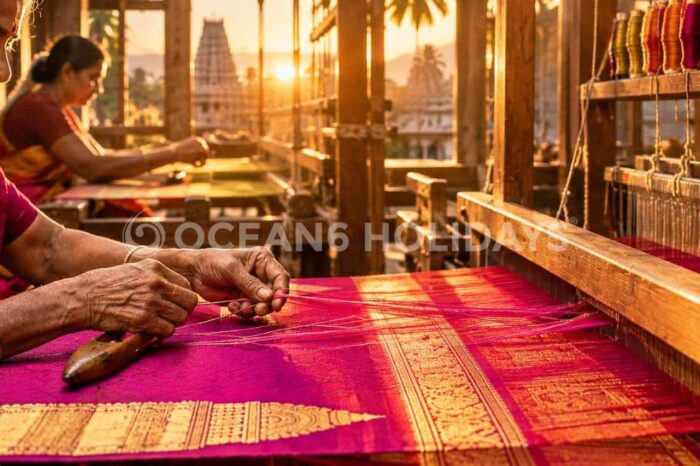
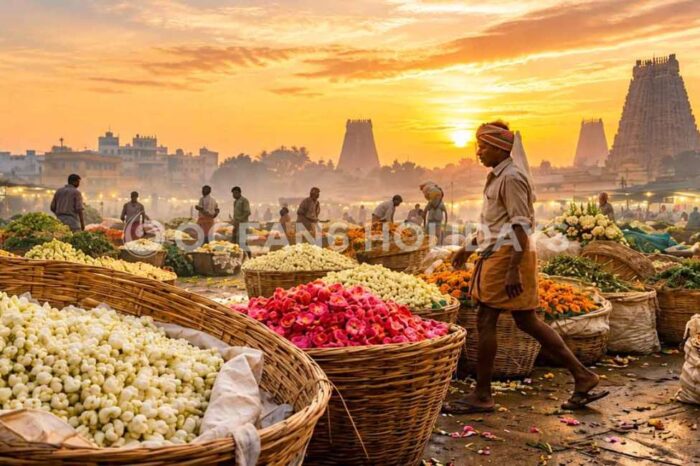
The Tamil Nadu in this guide is the other four-fifths. Silk woven on a pit loom in a Kanchipuram back street. A jasmine market that wakes at four in the morning so the flowers reach the temple before the heat does. A tea slope in the Nilgiris that sees fewer tourists in a week than Ooty sees before breakfast. A tiger reserve where the forest department, not your driver, decides how you enter.
Think of Tamil Nadu as a house with a grand front room everyone photographs, and a working kitchen behind it where the real life happens. This guide is about the kitchen.
At Ocean6 Holidays we build these tours as an advisor would, not as a brochure would. That means for every destination below you will read who it genuinely suits, who it does not, and the trade-off that decides the difference. A hill station that is a poor choice for a family with a restless eight-year-old can be the right choice for a couple who want three quiet mornings. The destination does not change. The fit does.
Here is how to read the state, region by region, followed by the specific Ocean6 Holidays tours that cover each one.
Tamil Nadu is one of the last places in India where you can watch a luxury object being made by hand, by a family that has made it for four generations, in the street where they live. This is craft tourism in its truest form, and it suits a specific traveller: someone who would rather understand one thing deeply than photograph ten things quickly.
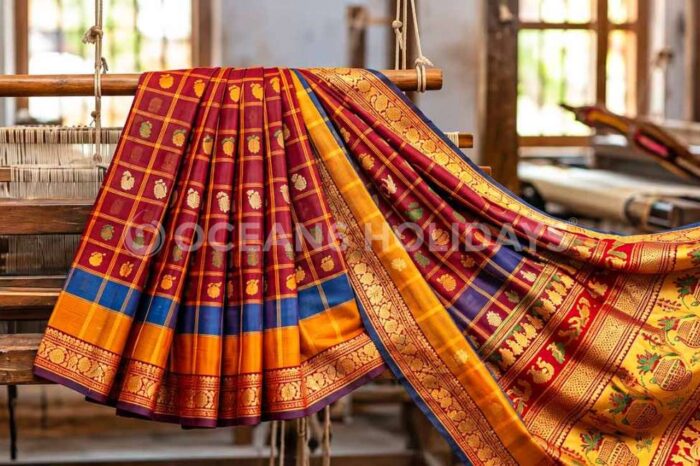
Kanchipuram is a temple city first and a silk city second, and the two are connected. The weaving tradition grew up to clothe deities and the people who served them. A genuine Kanchipuram silk saree is woven on a pit loom, the body and the border and the pallu often woven separately and then joined by a technique called korvai, which is why the borders survive decades of wear. When you watch this on a loom, you understand why the price is what it is. You are not paying for a saree. You are paying for roughly ten to fifteen days of two people’s skilled labour, and thread that is real mulberry silk with real zari.
Why it fits: For the traveller who wants to buy silk and actually know what they bought, a weaver-street tour changes the transaction entirely. You learn to tell handloom from powerloom, pure zari from tested zari, before anyone tries to sell you either.
The trade-off: Kanchipuram is a working town, not a resort. The pleasure here is intellectual and tactile, not scenic. Come for the craft and the temples; do not come expecting hill views or beaches.
Who it suits: First-time buyers of serious silk, textile enthusiasts, culturally curious couples, and anyone who finds a workshop more interesting than a monument.
Who it may not suit: Travellers who want a relaxed leisure holiday, or families needing constant variety for young children.
Arni and Salem are the working engines of Tamil Nadu’s silk trade, less famous than Kanchipuram and, for exactly that reason, often a better place to actually watch technique. Salem in particular is a major silk-weaving centre where the emphasis falls on the loom process itself: the dyeing, the warping, the weave.
Why it fits: If your interest is the making more than the buying, this route puts you closer to the loom and further from the retail pressure.
The trade-off: These are industrial-scale weaving towns without Kanchipuram’s temple-town atmosphere. You gain access and authenticity; you lose the postcard backdrop.
Who it suits: Return visitors to Tamil Nadu, textile students, and travellers who prefer process over polish.
Who it may not suit: First-timers who want the famous name attached to their trip.
Negamam (near Pollachi) is cotton country, and cotton tells a different, quieter story than silk. Negamam cotton sarees are known for their soft handle and fine count, woven in villages where cotton, not silk, is the local expertise. This is the tour for someone who finds the everyday craft more moving than the ceremonial one.
Why it fits: Cotton weaving is more approachable, more affordable, and closer to daily rural life. The village setting is genuinely rural in a way the silk towns are not.
The trade-off: The output is less dramatic than a gold-bordered silk saree. This is a tour about texture and village life, not spectacle.
Who it suits: Slow travellers, sustainability-minded buyers, and those drawn to rural India rather than town India.
Who it may not suit: Anyone whose main goal is a statement-piece silk purchase.
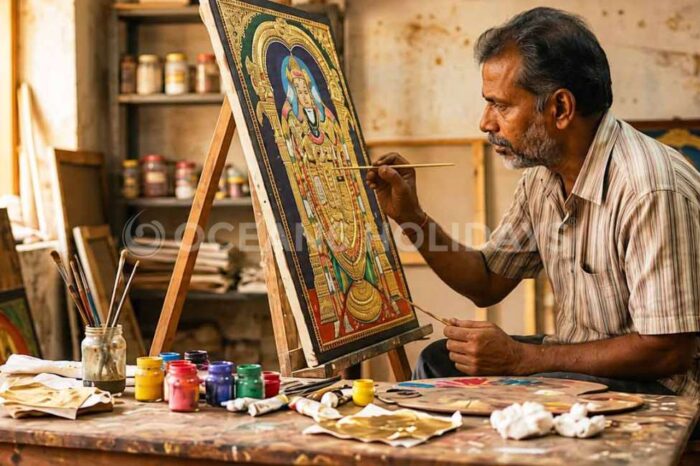
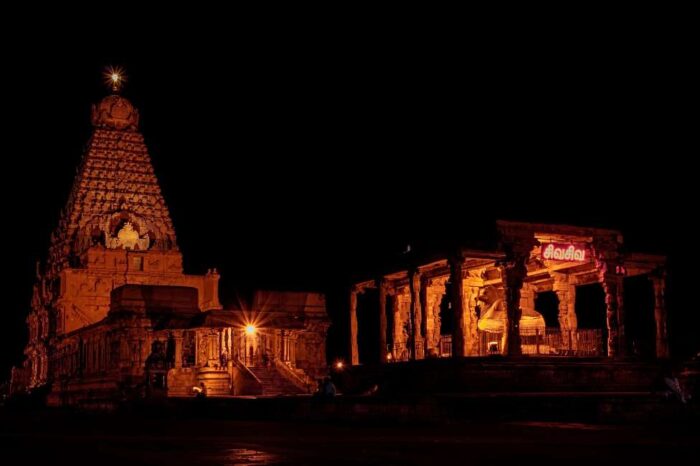
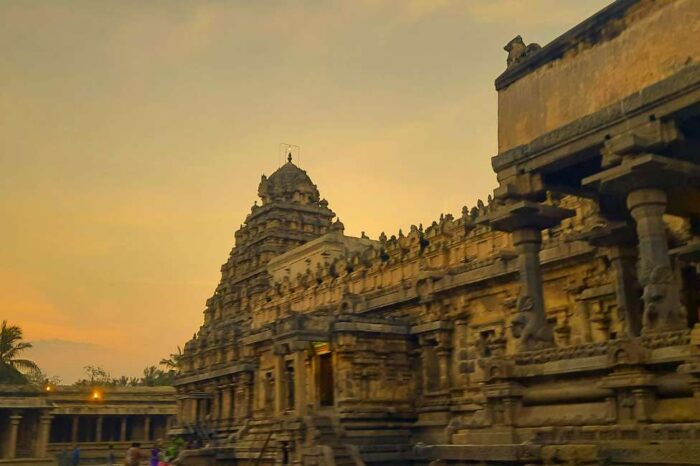
If you visit one craft destination in Tamil Nadu, and you want range rather than a single discipline, Thanjavur is the answer. This is the old Chola capital, and the crafts here are royal-workshop crafts: Thanjavur painting with its raised gesso and gold foil, bronze casting by the lost-wax method that has not fundamentally changed in a thousand years, stone inlay, and the famous Thanjavur “dancing dolls.” The Brihadeeswarar Temple, a UNESCO World Heritage Site, anchors the city and is itself a masterclass in Chola engineering.
Why it fits: No other single Tamil Nadu town packs this many living crafts into walking distance, alongside a genuinely world-significant temple.
The trade-off: There is a lot to absorb. Two nights is comfortable for the highlights; rushing it in a single day does the place a disservice.
Who it suits: Culture-first travellers, art buyers, history readers, and anyone building a serious understanding of South Indian heritage.
Who it may not suit: Travellers wanting nature or downtime; this is an urban, immersive, museum-heavy experience.
A short drive from Thanjavur, Kumbakonam is temple-dense even by Tamil Nadu standards, and it remains a working centre for bronze casting. It pairs naturally with Thanjavur, and the two together make one of the most rewarding short heritage circuits in the state.
Why it fits: It deepens the Thanjavur experience with more temples and a closer look at bronze casting, without a long transfer.
The trade-off: On its own, two nights in Kumbakonam is temple-heavy; most travellers enjoy it more combined with Thanjavur.
Some of Tamil Nadu’s most memorable experiences are not objects you can buy but rituals you can witness. These tours suit travellers who want to feel the rhythm of a place rather than tick off its sights.
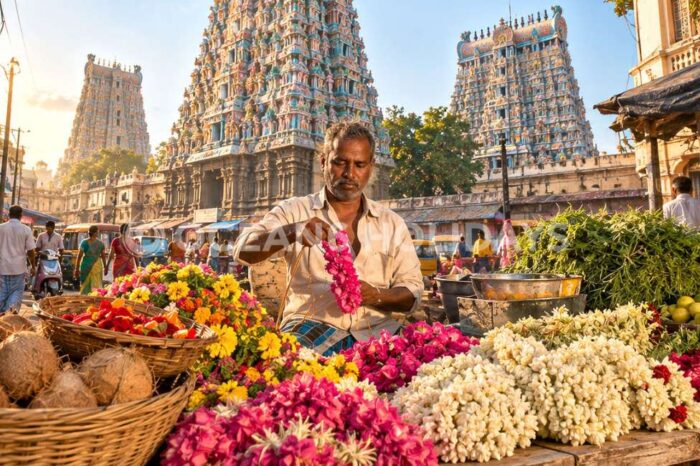
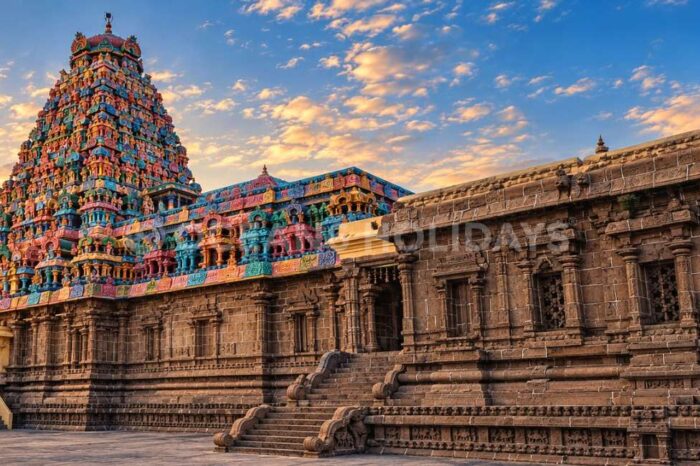
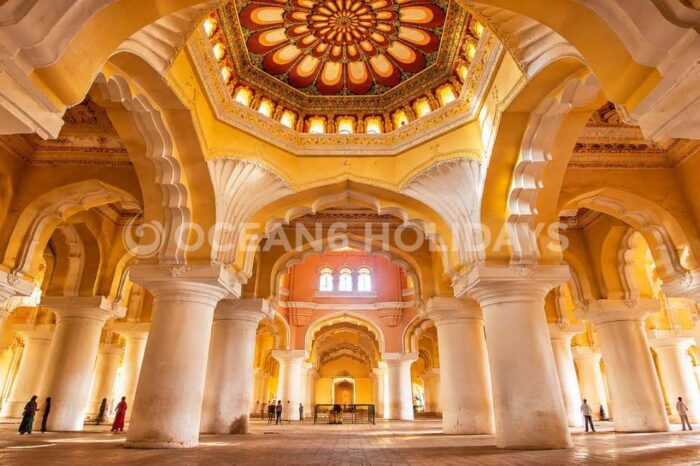
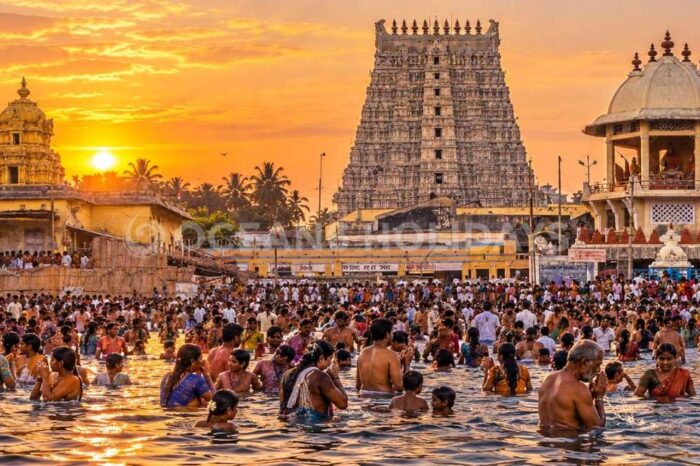
Madurai is one of the oldest continuously inhabited cities in the world, and its heart is the Meenakshi Amman Temple, a riot of thousands of painted sculptures. But the Ocean6 Holidays malli tour goes somewhere most visitors never see: the flower economy. Madurai Malli jasmine carries a Geographical Indication tag, the same legal protection that guards Champagne or Darjeeling tea. The flowers are harvested before dawn, sold by weight at a frenetic early-morning market, and woven into garlands. The alangaram ritual, the daily decoration of the temple deity, is where the flowers, the faith, and the craft meet.
Why it fits: This is Madurai below the surface: the working economy of devotion, seen at the hour when it actually happens.
The trade-off: The best of it requires an early start. The jasmine market and the harvest are dawn activities, not mid-morning ones. If you are not willing to be up before sunrise, you will see a lesser version of this tour.
Who it suits: Early risers, photographers, travellers drawn to living culture and sensory experience.
Who it may not suit: Late sleepers, and anyone sensitive to crowds and intense scents in tight spaces.
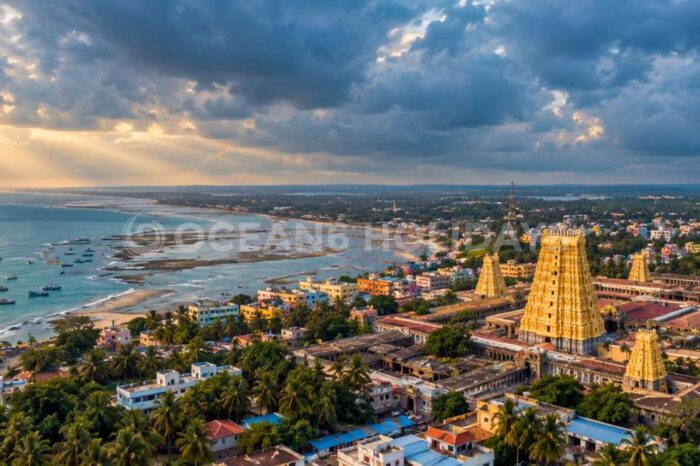
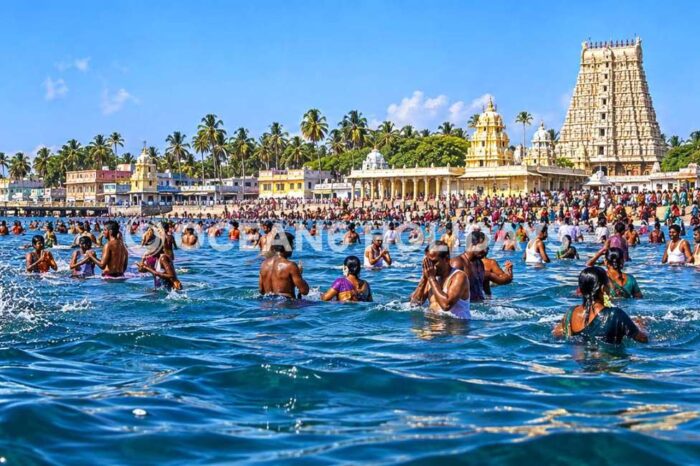
Rameswaram is an island in the Gulf of Mannar, joined to the mainland by the Pamban rail and road bridges, and it holds a particular place in the Indian imagination: one of the twelve Jyotirlinga shrines and a corner of the Char Dham pilgrimage. The Ramanathaswamy Temple has the longest temple corridor in India. It is also the hometown of former President Dr APJ Abdul Kalam, and his memorial and house are part of the visit. Dhanushkodi, the ghost town at the island’s tip washed away in the 1964 cyclone, is one of the most atmospheric places in South India.
Why it fits: Few destinations combine deep pilgrimage significance, dramatic coastal geography, an engineering marvel (the Pamban bridge), and a national-hero memorial in one compact island.
The trade-off: Rameswaram is remote. It is a long journey from most Tamil Nadu hubs, and the town’s infrastructure is pilgrim-focused rather than leisure-focused. Set expectations on accommodation accordingly.
Who it suits: Pilgrims, history and engineering enthusiasts, and travellers who value atmosphere and significance over comfort and polish.
Who it may not suit: Travellers wanting resort-standard stays or a short, easy hop.
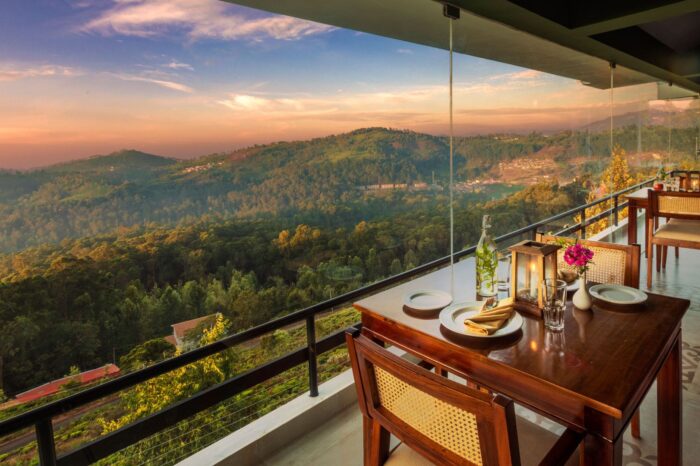
This is where Ocean6 Holidays does its most careful advising, because “the Nilgiris” is not one experience. It is a spectrum from Ooty, which can feel like a hill-station theme park in season, to genuinely quiet estates where you may not see another traveller all day. Choosing wrong here is the difference between a restorative holiday and a traffic jam at altitude.
A note that applies to this entire region: the Nilgiris district has, in recent years, required an e-pass for vehicles registered outside the district during peak periods under a Madras High Court directive. Rules and dates shift year to year. This is exactly the kind of thing Ocean6 Holidays verifies before you travel, and exactly the kind of thing a package seller forgets to mention until you are turned back at a checkpost.
Ooty’s reputation is earned and also outdated. The town centre, the botanical gardens, and the lake in high season can be genuinely crowded. But Ooty’s edges remain lovely. The Ocean6 Holidays Ooty tours are built deliberately around the quieter water bodies, Emerald Lake and Avalanche, rather than the town-centre lake, precisely to give you the Nilgiris you came for.
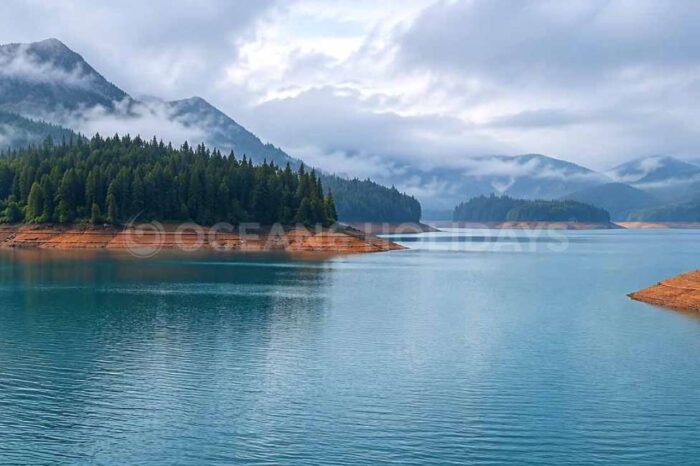
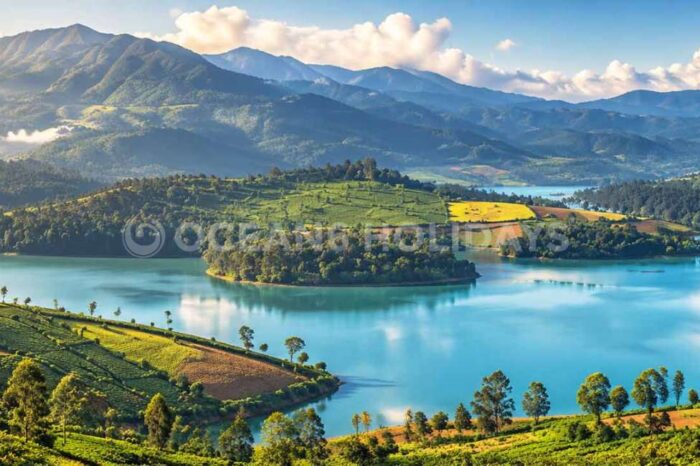
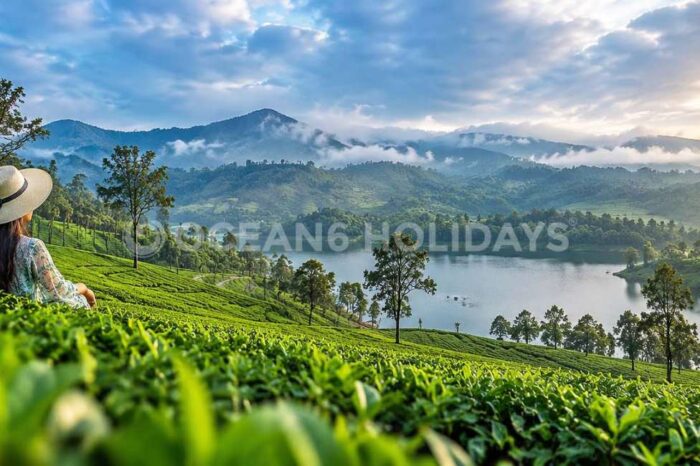
Why the edges fit: Emerald and Avalanche sit past the reservoirs in the Kundah range, an hour or so from the town, through tea slopes and shola forest. This is the Ooty of the imagination: still water, mist, grassland, very few people.
The trade-off: You spend more time driving to reach the quiet. If you insist on staying central and walking everywhere, you get the crowded Ooty, not this one.
Who it suits: Couples, photographers, and anyone who wants the hill station without the hill-station crowds.
Who it may not suit: Travellers on a very tight schedule who cannot spare the transfer time to the lakes, or those who specifically want town-centre bustle and shopping.
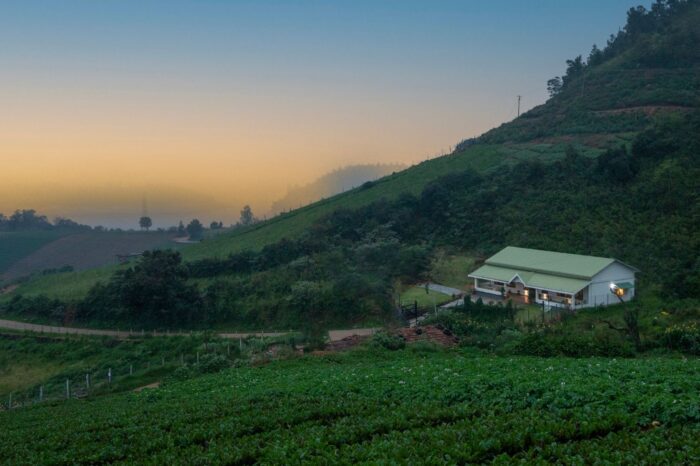
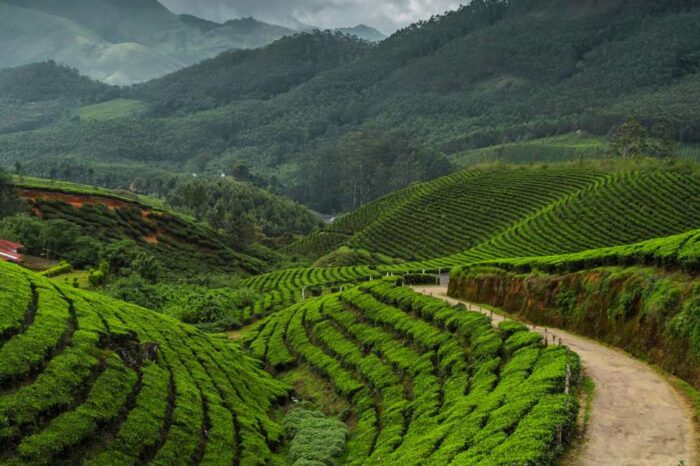
If your single priority is quiet, skip Ooty town and go to Kotagiri. It is the oldest and highest of the three main Nilgiri hill stations, and the least developed. Aruvankadu, between Coonoor and Ooty, offers tea estates, a waterfall, and stone-house character with almost no tourist footfall.
Why it fits: These are the Nilgiris for travellers who find Ooty too busy and Coonoor increasingly busy too. Real tea-country calm.
The trade-off: Fewer facilities, fewer dining choices, less to “do” in the conventional sense. The point here is to slow down, not to sightsee hard.
Who it suits: Repeat Nilgiris visitors, writers and readers, couples wanting genuine quiet, tea enthusiasts.
Who it may not suit: First-time hill-station visitors who want the classic Ooty checklist, or groups needing lots of activity options.
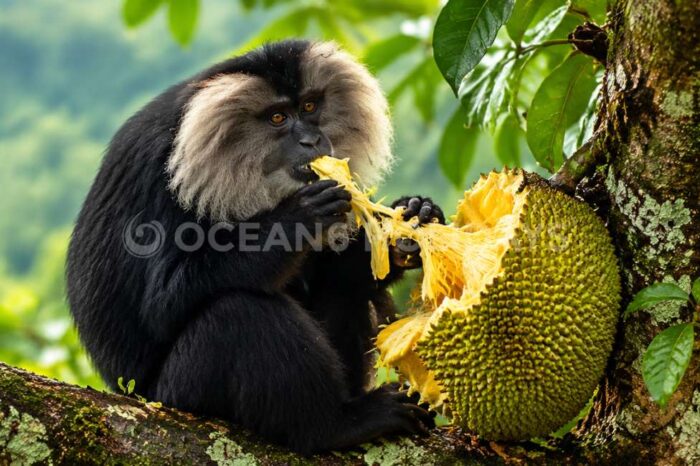
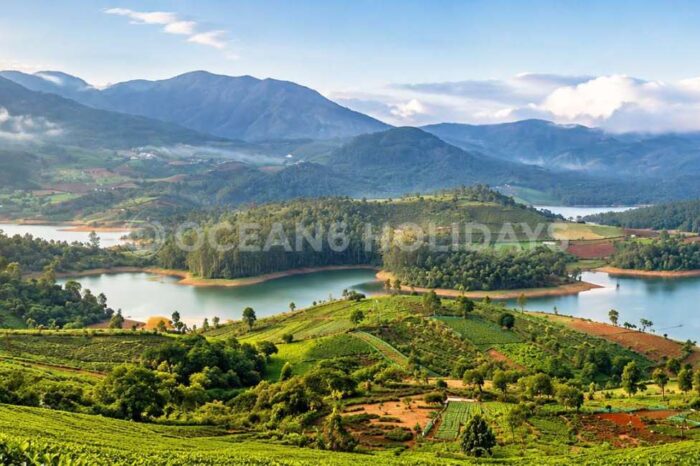
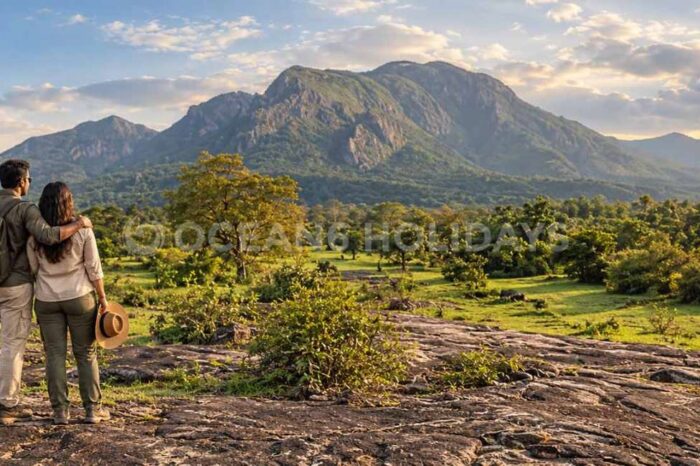
Valparai is, for a certain traveller, the finest hill destination in Tamil Nadu, and it needs the most honest briefing. You reach it by climbing 40 numbered hairpin bends from Aliyar Dam, gaining roughly 1,100 metres. The town sits amid tea estates within the buffer of the Anamalai Tiger Reserve, and the road up passes elephant corridors and canopy rope-bridges built for the endangered lion-tailed macaque. Wildlife here is not confined to a park; it moves through the estates.
Why it fits: Valparai gives you tea-country scenery, genuine Western Ghats biodiversity, and an off-radar feel that Ooty lost decades ago.
The trade-off, stated plainly: The formal, ticketed safaris of the Anamalai reserve run from Topslip, which is a separate sector and a considerable drive from Valparai town, not something you step out of your hotel into. In the monsoon (roughly June to September, and Valparai gets very heavy rain) the road can close for landslides and reserve safaris are suspended without notice. What Valparai offers reliably is the landscape and incidental wildlife; what it cannot guarantee is a booked-in safari on a fixed date.
Who it suits: Independent-minded travellers, keen wildlife and bird watchers, tea lovers, and those who accept that the mountains set the schedule.
Who it may not suit: Travellers who need a guaranteed safari slot, anyone uneasy on long hairpin drives, and monsoon-window visitors who want certainty.
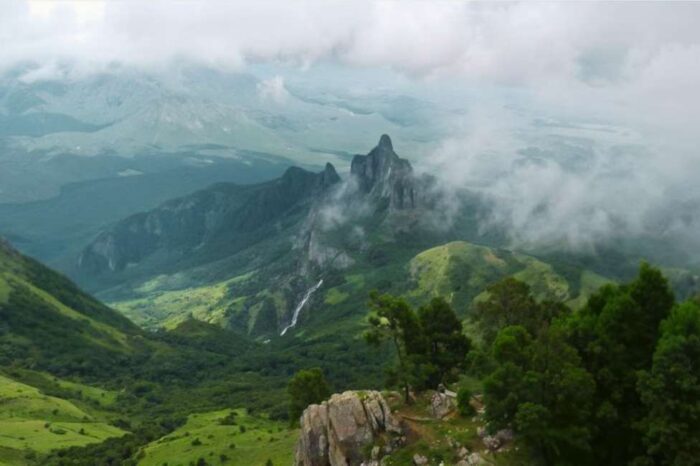
Vattakanal (“Vatta Kanal”) sits just below Kodaikanal and offers the Kodai scenery, dolphin’s-nose viewpoints, shola forest, waterfalls, without Kodaikanal’s tour-bus volume. Yelagiri is a small, relaxed hill station between Chennai and Bangalore, ideal for a genuine do-nothing break.
Why they fit: Both are chosen precisely for what they lack: crowds. Vattakanal for scenery-with-solitude, Yelagiri for pure leisure.
The trade-off: Limited infrastructure and few “attractions.” These are stay-and-breathe destinations, not itinerary-packed ones.
Who they suit: Couples, solo travellers, and anyone whose idea of a hill holiday is a book and a view.
Who they may not suit: Families needing activities, or travellers who feel restless without a daily sightseeing list.
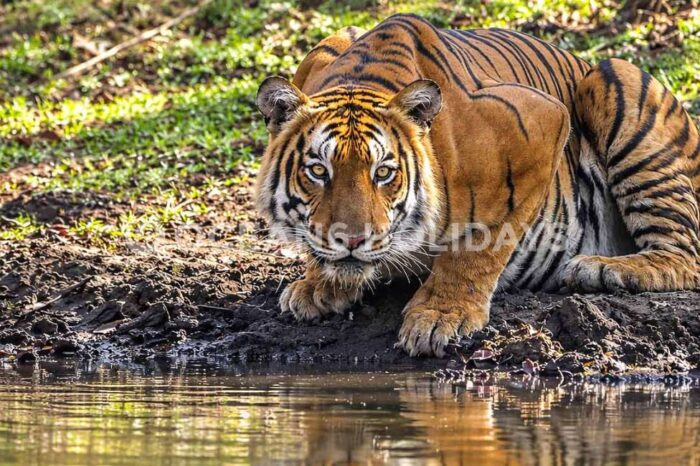
Tamil Nadu’s slice of the Nilgiri Biosphere is one of the most important wildlife landscapes in India: Mudumalai, Masinagudi, and the corridor that continues into Bandipur (Karnataka) and Nagarhole. This is serious tiger and elephant country. It is also where Ocean6 Holidays is most insistent on managing expectations, because the rules here are not ours to bend.
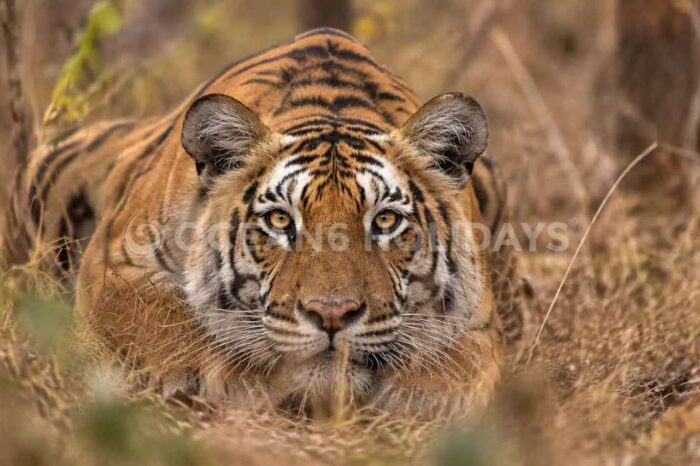
The single most important thing to understand: Inside Mudumalai Tiger Reserve, private and taxi vehicles are not allowed on safari. The safari is conducted only in forest-department vehicles (jeep/gypsy and van/bus), booked through the official reception, on fixed morning and evening slots. Your tour cab drops you at the boarding point and waits outside. Anyone promising you a “private jeep inside the core” is either misinformed or misleading you. Sightings, as the forest department itself states, are a matter of chance. We will never guarantee you a tiger, and you should distrust anyone who does.
Masinagudi is the fringe town; Mudumalai (Theppakadu) is where the official safari and the elephant camp sit. This is the most accessible serious wildlife experience in Tamil Nadu, reachable within about an hour and a half of Ooty (via the Masinagudi or Gudalur descent, noting that the Kalhatty ghat is one-way for the descent and has hairpin restrictions).
Why it fits: Real Nilgiri Biosphere wildlife, the Theppakadu elephant camp (one of India’s oldest), and easy pairing with the Ooty hill stations for a mountains-and-jungle combination.
The trade-off: Forest-department safari only, fixed slots, no sighting guarantees, and seasonal access rules including the possible Nilgiris e-pass. Book flexible; travel humble.
Who it suits: Wildlife enthusiasts, families with children who love the elephant camp, and travellers combining the Nilgiris hills with the jungle.
Who it may not suit: Anyone who expects a private, on-demand safari or a guaranteed big-cat sighting.
A word on the longer wildlife circuits: The 6N/7D and 8N/9D tours that string together Nagarhole, Bandipur, Masinagudi and the Nilgiri hills are the strongest wildlife value in this collection, because your odds improve with the number of drives, and different reserves show different animals. If wildlife is your primary reason to come, choose length over a single reserve. One morning safari is a lottery ticket; six is a strategy.
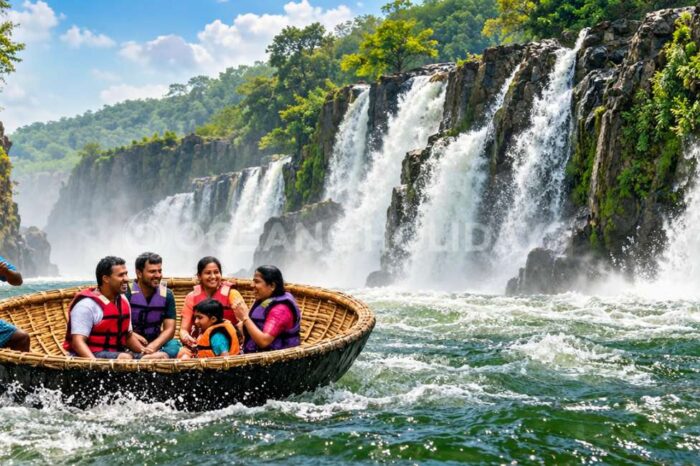
Hogenakkal, on the Tamil Nadu-Karnataka border, is where the Cauvery river drops through a carbonatite gorge into a set of falls, and the signature experience is the round parisal (coracle) ride among them. It is often called the “Niagara of India,” which oversells the scale and undersells the character. The character is the point: the black rock, the fish market, the oil massages on the bank, the coracle spinning in the current.
Why it fits: A genuinely distinctive river experience, strong in the post-monsoon months when the falls are full.
The trade-off: It is seasonal and safety-sensitive. When the river is in spate, coracle rides are suspended for good reason. In the dry season the falls shrink. Timing is everything, and it must be verified close to travel.
Who it suits: Travellers wanting something active and unusual, day-trippers from Salem or Bangalore.
Who it may not suit: Anyone expecting a manicured, all-weather attraction, or nervous non-swimmers during high flow.
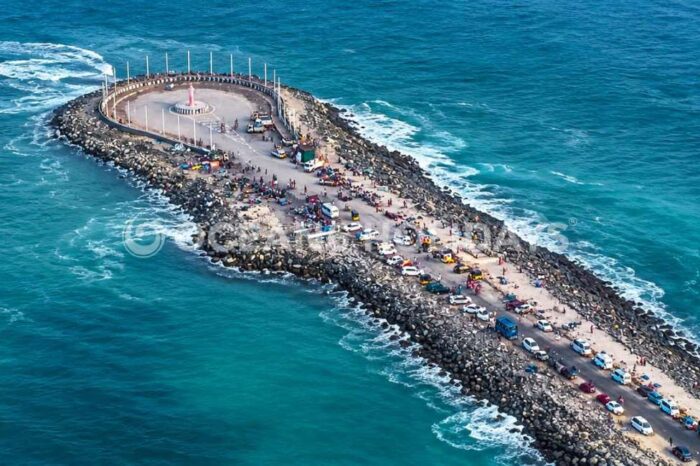
Kanyakumari is the southern tip of the Indian mainland, where the Bay of Bengal, the Arabian Sea and the Indian Ocean meet, and it is one of the very few places in India where you can watch both sunrise and sunset over the sea. The Vivekananda Rock Memorial and the Thiruvalluvar statue sit offshore. It pairs naturally with Rameswaram to form a proper deep-south pilgrimage-and-coast circuit.
Why it fits: The geography is genuinely singular, and combined with Rameswaram it delivers the far south in one considered loop.
The trade-off: It is a long way south, and the town itself is busy and functional. The magic is at the water’s edge at dawn and dusk, not in the streets between.
The longer Ocean6 Holidays itineraries exist because some destinations are stronger together than apart. Here is the honest logic:
If you take nothing else from this guide, take this. Match your reason for travelling to the region, not the other way around.
You want to buy or understand craft → Kanchipuram, Arni & Salem, Negamam, Thanjavur, Kumbakonam. Choose Thanjavur if you want range in one place; Kanchipuram if you want the famous silk with real knowledge behind the purchase.
You want living ritual and sensory culture → Madurai Malli, Rameswaram. Choose Madurai if you can rise before dawn; the tour is far weaker if you cannot.
You want hill-country calm → Kotagiri, Aruvankadu, Vattakanal, Yelagiri, and the quieter edges of Ooty (Emerald, Avalanche). Choose Kotagiri or Vattakanal over central Ooty if quiet is your first priority.
You want serious wildlife → Masinagudi/Mudumalai, and the multi-reserve circuits. Choose length over a single reserve; more drives mean better odds, never a guarantee.
You want something distinctive and active → Hogenakkal for the river, Valparai for the tea-and-forest drama. Both are weather-dependent; verify timing before you commit.
You want the deep south, faith and coast → Rameswaram, Kanyakumari, and their pairings with Madurai. Choose the 4N/5D and longer versions; the far south punishes a rushed schedule.
This is the part a brochure leaves out, and the part that most affects whether your holiday goes well.
On seasons. Broadly, October to March is the comfortable window for most of Tamil Nadu, including the plains temple towns and the coast. The hill stations are pleasant much of the year but cold and wet in monsoon. The Western Ghats hills, Valparai especially, take very heavy southwest monsoon rain from roughly June to September, when roads close and reserve safaris are suspended. We will match your dates to the right destinations, and tell you plainly if your chosen dates fight your chosen destination.
On wildlife honesty. No reputable operator can promise a tiger, and inside Mudumalai you travel by forest-department vehicle on fixed slots, not a private jeep. We build your odds through timing and multiple drives; we do not sell you a sighting.
On the Nilgiris e-pass and access rules. The Nilgiris district has enforced vehicle e-pass requirements and ghat-road timing restrictions in recent seasons. These change. We verify the current rule for your travel dates rather than discovering it at the checkpost.
On accommodation reality. The offbeat destinations in this guide, by definition, have thinner accommodation stock than the mainstream ones. Rameswaram and the smaller hill towns are pilgrim- and budget-led in places. We will be straight with you about the gap between comfort tiers and the lead time you need to secure the better options.
On pace. Several of these are three-day tours to real destinations. Some genuinely work in three days; some, particularly the far-south and multi-reserve routes, do not, and we would rather tell you to add a night than sell you a rushed trip you will not enjoy. When a duration is too tight for the destination, we say so.
On what to verify before you finalise: live safari slot availability and rules for your dates; current Nilgiris e-pass status; Hogenakkal coracle operation (flow-dependent); Valparai and ghat-road conditions in or near monsoon; and festival dates if you want, or want to avoid, the temple towns at their busiest.
Tamil Nadu rewards the traveller who chooses well and punishes the one who chooses by reputation alone. The state is large, its regions are genuinely different, and the offbeat routes reward preparation more than the mainstream ones do.
Our job is not to sell you the tour with the best photographs. It is to tell you which of these fits the trip you actually want, which does not, and why, so the decision is yours and it is a confident one.
Tell us who is travelling, when, and what you most want from Tamil Nadu. We will tell you where to go, where not to, and where the extra night or the different month changes everything.
Ask Ocean6 Holidays Before You Book.
Talk to a Travel Advisor · Help Me Choose · Compare My Options · Find My Right Fit
98742 84569
98743 61951
Mon-Sat 11.00AM-07.30PM