2N Kargil, 1N Shyam Valley, 2N Leh, 1N Nubra Nubra Valley, 1N Pangong, 1N Leh
2N Leh, 1N Kargil, 2N Nubra Valley, 1N Pangong, 1N Tso Moriri, 1N Leh
1N Srinagar, 1N Kargil, 2N Leh, 2N Hunder, 1N Pangong, 1N Sakti, 1N Jispa, 1N Manali
Nubra Valley, Pangong Lake, Sham Valley, Magnetic Hill, Sangam, Diskit Village, Leh city
Ladakh Tour
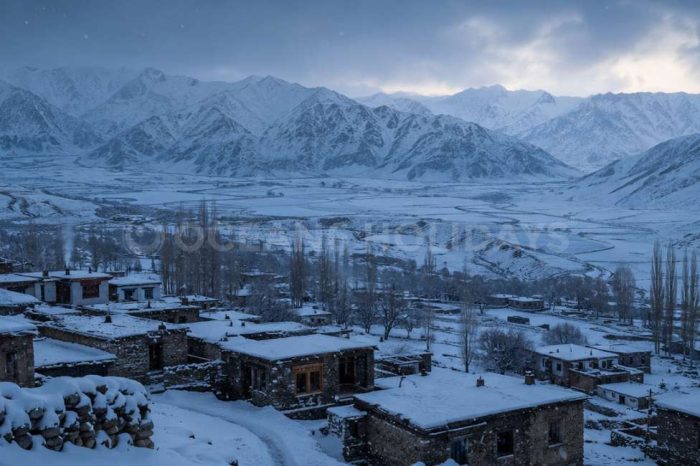
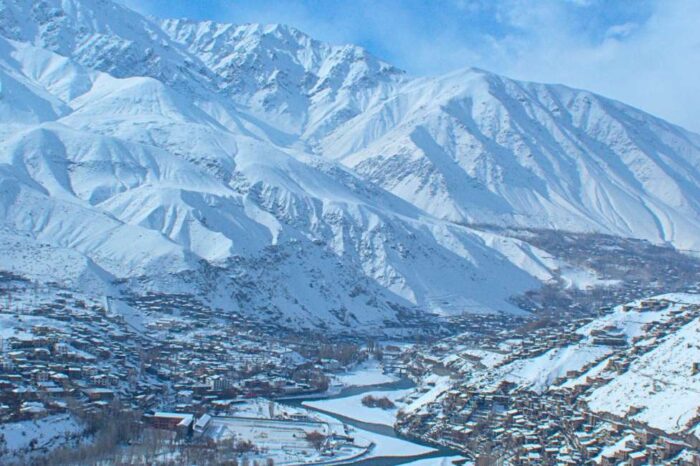
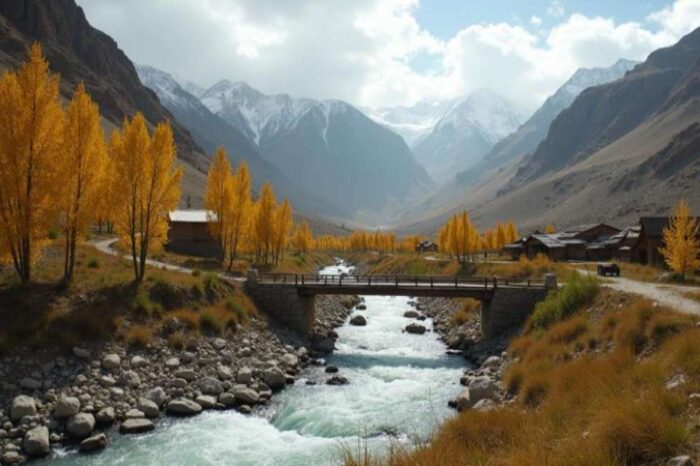
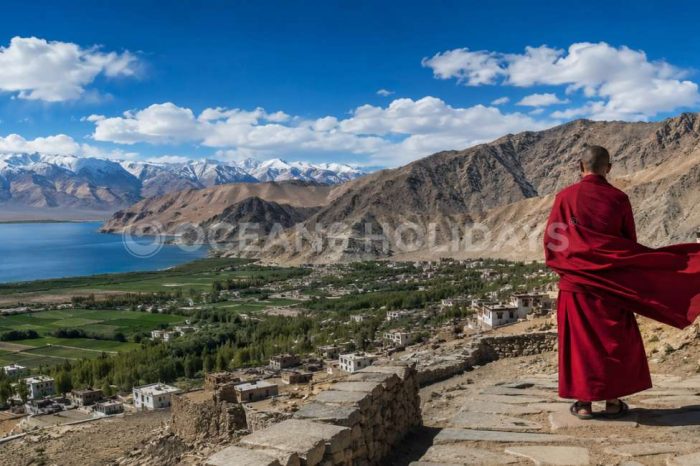
Ladakh, or La-dvags as it is known in Tibetan, is the ‘land of high passes’ and that has always been its biggest draw for tourists. A land known for its monasteries, mountain peaks, adventure, and thrills, it calls out to the adrenaline seeker within us and becomes a destination that deserves a pilgrimage at least once in a lifetime. Come summer or winter, Ladakh tourism is a magnet all year round. Give heed to its untouched beauty and fulfill your call to the pristine land with your visit to these majestic heights.
State: Jammu and Kashmir
Official Language: Hindi, English, and Ladakhi (also called Bhoti or Bhodi)
Dial Code: 01982
Population: 274,289
Currency: Indian Rupee (INR)
Time Zone: GMT +5:30 (IST)
Area: 59,196 square kilometers
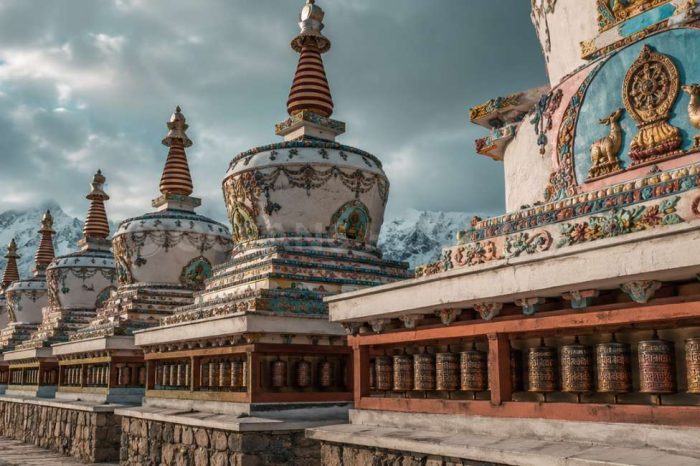
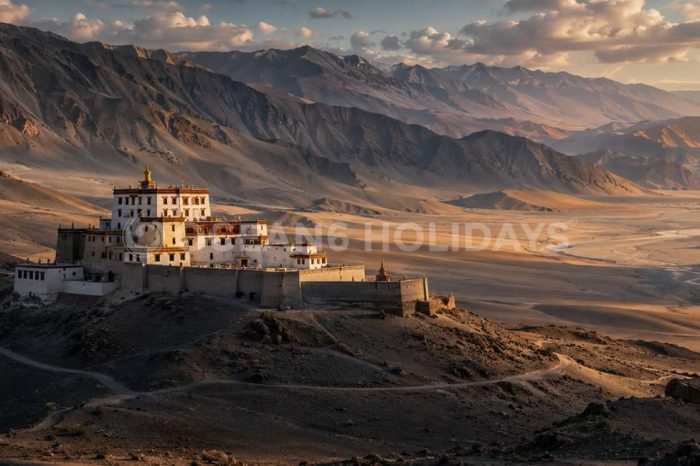
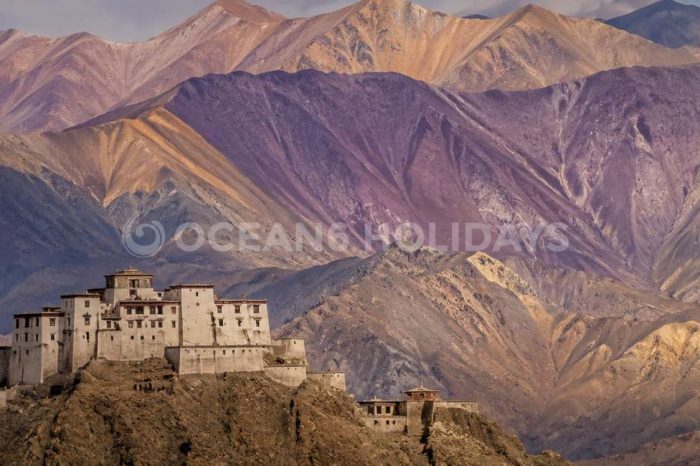
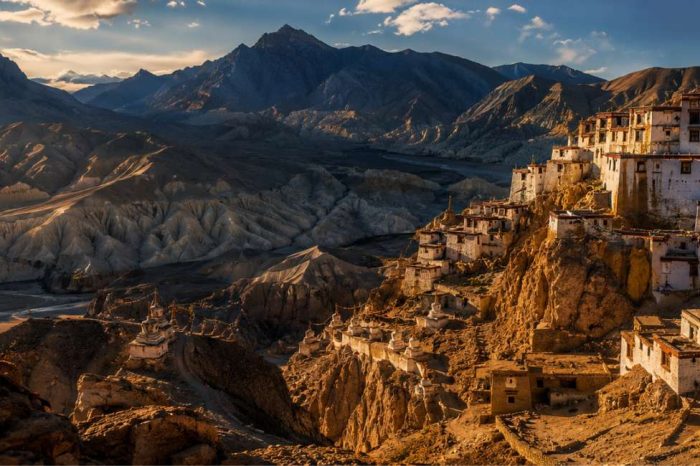
Buddhism is the most followed religion, and the numerous monasteries stand testimony to that. The rugged terrain did nothing to stop the monks and nomads from traveling the landscape and building their dwellings that have stood the test of time. Among the world-renowned places to visit in Ladakh are Hemis Monastery, Karma Dupgyud, Matho Monastery, Rangdum Gompa, Lamayuru Monastery, Phyang Gompa, and the Likir Monastery.
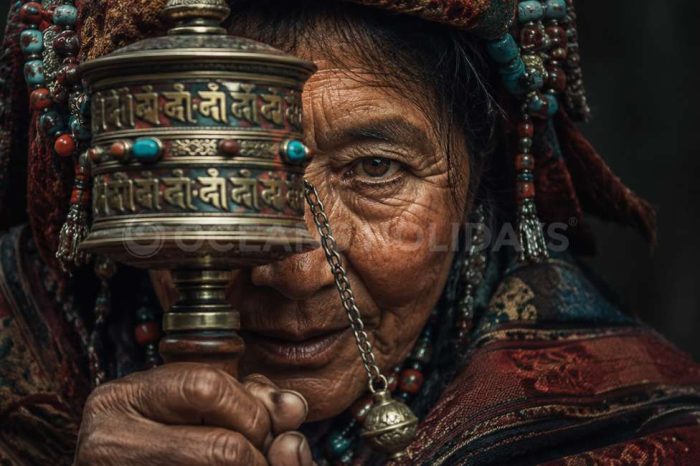
Once you have had your fill of spirituality, allow the bazaars to pull you in. The sheer range of artifacts and skills will leave you mesmerized. Explore Ladakh as you drift from stall to stall, talking to the owners and taking in the beauty of the myriad creations of the people of this land. If you are looking for a keepsake, perhaps consider a pashmina shawl or dress. Hand-woven caps, sweaters, gloves, and carpets are also popular, with stunning colors and intricate designs. Silver and turquoise jewelry, Thangka paintings, prayer wheels, and Buddhist masks are all excellent reminders of your time spent here.
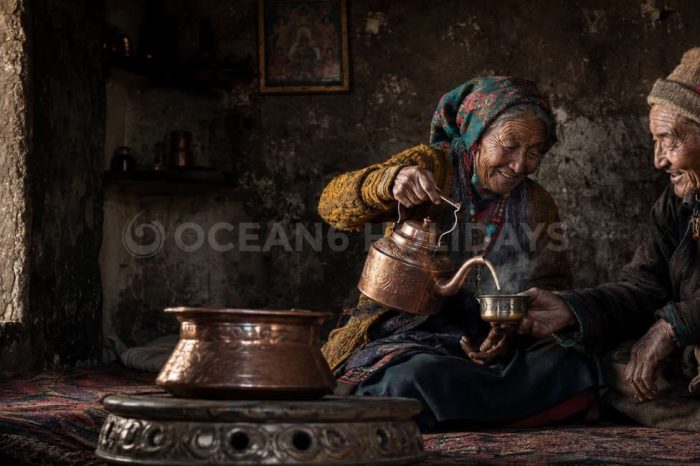
Ladakh’s cuisine, while greatly influenced by Tibetan culture, still has a voice of its own. You must absolutely taste Thupka, a delicious noodle-soup made using boiled vegetables, chunks of chicken, pork, and meat. People here are friendly, and when they invite you for a cup of tea, don’t refuse, but also don’t expect a typical cup of steaming brew. Ladakh is famous for its butter tea – a pink colored, fragranced liquid made from tea leaves, butter, salt, and water. Quite unexpected, right? Momos, popular across India today, originated here, and you must sample them. Simple daily fare, these are made from flour and water and come stuffed with minced meat, vegetables, or cheese.
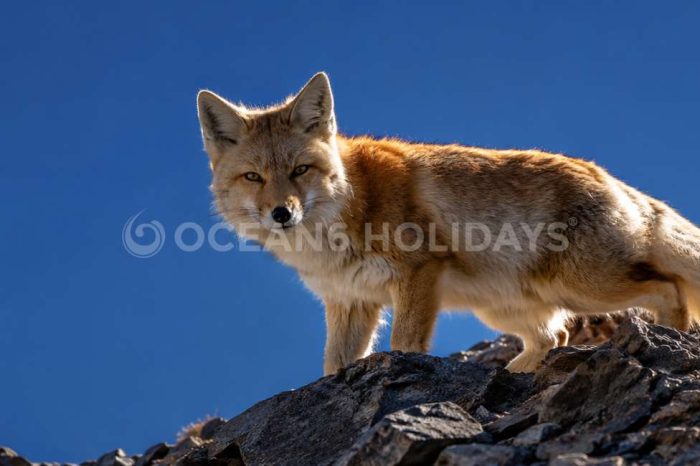
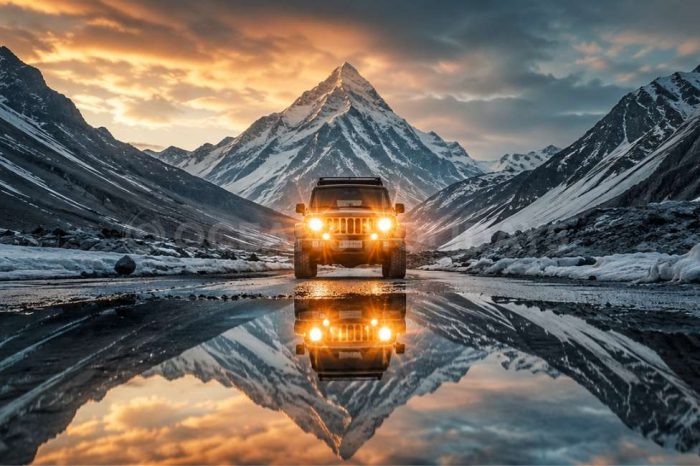
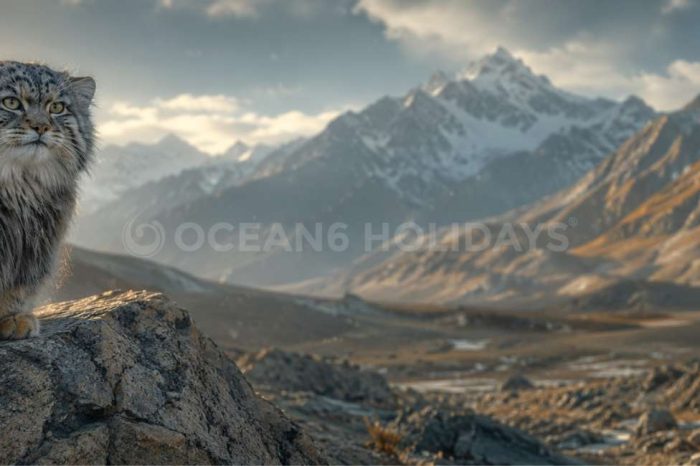
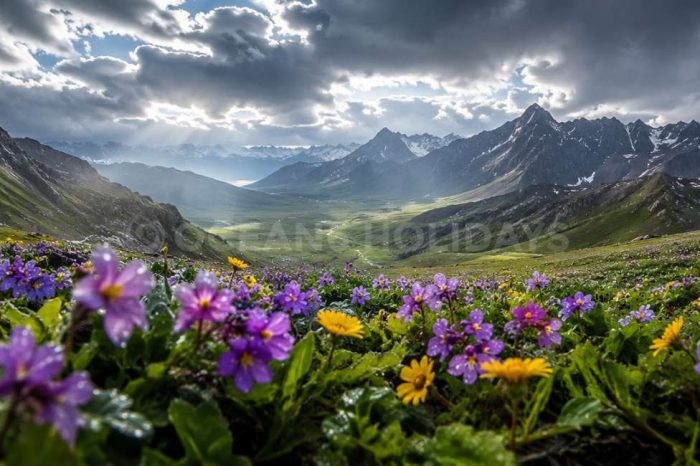
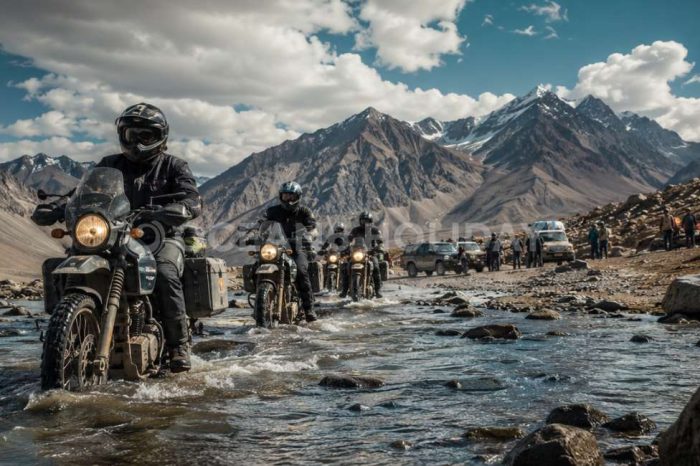
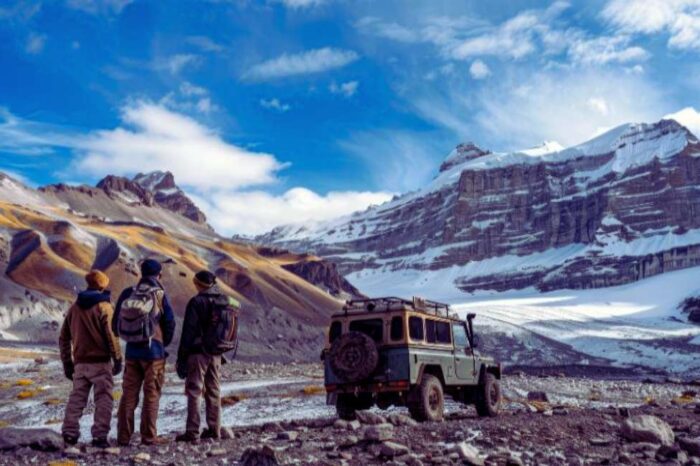
Wildlife enthusiasts are drawn to Ladakh like bees to honey. The land is home to many exotic species of flora and fauna. Adventure enthusiasts can trek along the steep slopes to catch a glimpse of the wildlife of the land. Adrenaline junkies can explore the unexplored corners that call out to thrill-seekers and amateur explorers. Whether it’s trekking, mountaineering, white water rafting, motor biking, jeep safaris, camping, or sports like archery and polo, Ladakh is adventure brought to life.
Ladakh is a land of festivals that includes traditional dancing, singing, and colorful masks. Buddhism heavily influences the many fairs and festivals celebrated by its people. Most Ladakhi festivals take place in winters, with the land replete with various expressions of dance and drama. The most famous festivals include the Losar festival, Hemis Tsechu festival, Sindhu Ladakh festival, and Darshan festival. Planning a trip in winter is a great way to understand Ladakh’s rich and unique culture.
Ladakh is the highest residential point in India and is situated along the banks of the Indus River.
It is also the least populated area in India.
Despite being a dry place, Ladakh is home to more than 200 species of birds.
It is home to the world’s highest optical, infra-red, and gamma-ray telescopes.
The twin-humped camel can only be found in India in Ladakh.
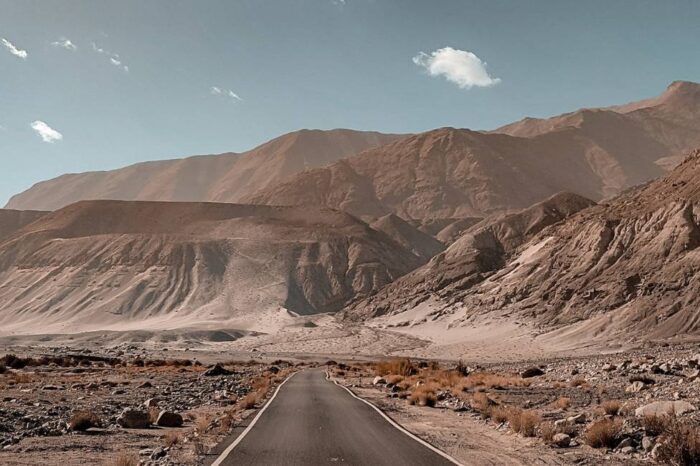
Magnet Hill, located near Leh, creates an optical illusion where the downhill road appears to be going uphill.
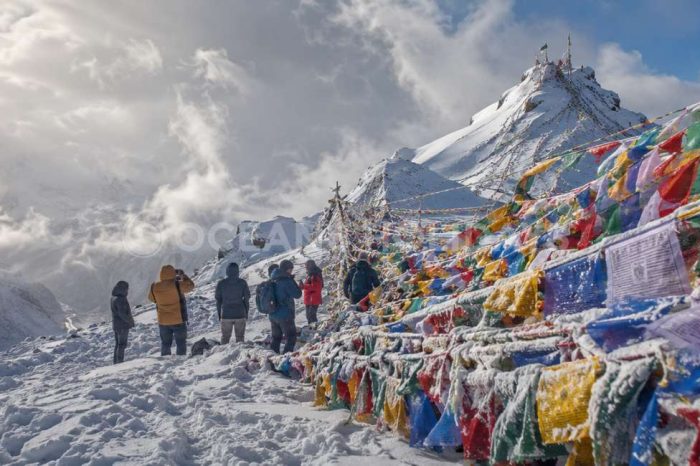
The Khardung La Pass at 5,359 meters is the world’s highest motorable road.
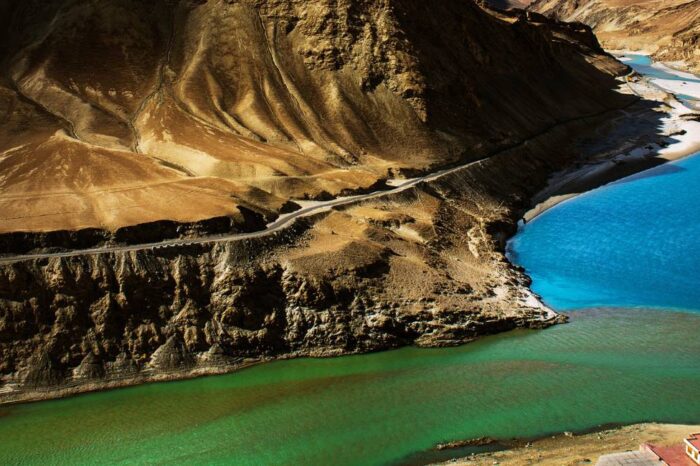
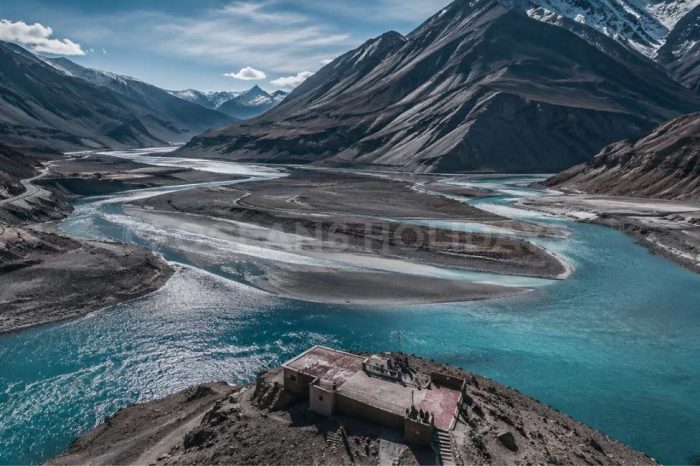
Ladakh is a mountainous region in India, covering land from the Siachen Glacier in the majestic Karakoram Range to the main Great Himalayas further south. The highest plateau in Jammu & Kashmir dates back nearly 45 million years when the Indian plate collided with the Eurasia plate to form these ranges. The Indus River flowing through the ranges forms a backdrop for most historical and current towns that make up the inhabited parts of this region.
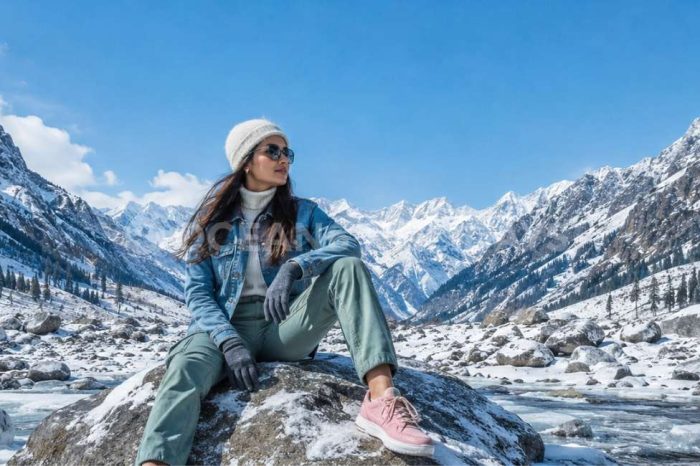
Ladakh offers unprecedented beauty and thrilling experiences year-round. While winters are harsh, they bring to life unique adventures. Winter is also less crowded, allowing you to enjoy the hills and valleys at your pace. Summer, from April to July, is the peak tourist season when the district explodes with colors and warmth. You can also visit from mid-September to mid-October to experience the true beauty of Ladakh.
By Road: Ladakh is 434 km from Srinagar and 494 km from Manali. Hire a cab or a jeep, or book a seat on a JKSRTC bus. For the adventurous, biking to Leh from Srinagar, Manali, or Chandigarh is an option. Avoid winter as the highways are shut due to heavy snowfalls. May to September is the ideal time.
By Rail: Take a train to Jammu Tawi (700 km from Ladakh) from major stations like Delhi, Kolkata, or Mumbai. Hire a cab or board a JKSRTC bus to reach Ladakh.
By Air: Leh is the nearest airport with good connectivity to Delhi, Jammu, Srinagar, Chandigarh, and other major cities. From Leh, book a cab to your destination.
The walls of caves in Ladakh tell stories from Neolithic times. Ladakh has always been predominantly Buddhist, later giving way to Islam after repeated invasions. Despite many rulers and invaders, Ladakh has always maintained its sovereignty and established itself as an independent kingdom. Post-independence, with China and Pakistan nearby, the region sees a heavy Indian army presence to manage stand-offs and skirmishes along the border.
Indian Rupee (Rs.) is the only currency accepted in Ladakh.
Carry cash as transactions are mostly in cash, and cards are not widely accepted. ATMs are available in Ladakh’s main markets and on the Leh-Manali Highway, but only a few are in other regions.
Travel Months | Min/Max Temperature | Season
April to July | 15° C to 30° C | Summer
July to Sep | 3° C to 17° C | Monsoon
Oct to March | 0° C to 15° C | Winter
Summers are beautiful with moderate temperatures and a hospitable environment. During the rest of the year, the Manali-Leh highway is non-functional. The Srinagar-Leh highway can also be affected by landslides. Summers offer the best experience of Ladakh’s landscapes, snow-covered mountains, valleys, and lakes.
Temperature: 10-20 Degrees
Weather: Monsoons in Ladakh are short-lived and characterized by heavy but short-lived downpours.
Why You Should Visit Now: The weather is refreshing and perfect for outings. It is a great time for adventure activities like white water rafting and trekking.
Significance: Monsoon is the time for festivals like Karsha Gustor, Pheyang Tsedup, and Korzok Gustor.
Know Before You Visit: Be aware of occasional landslides and cloudbursts. The Manali-Leh highway can be challenging to traverse.
Tips: Pack lightweight, quick-drying clothes, waterproof shoes, raincoat or umbrella, and sunscreen. Check the weather report before your journey.
Temperature: Below 0 Degree (minimum recorded temperature is -23 Degrees)
Weather: Steady drop in temperature, pleasant at the early phase, extremely cold later.
Why to Visit Now: Experience the beauty and adventure of the Chadar Trek and Zanskar River trek.
Significance: Winter festivals include Spituk Gustor, Stok Monastery Festival, Dosmoche, Thiksay Gustor, Matho Monastery Festival, and Ladakhi Losar.
Know Before You Visit: Sparse tourist crowds, many trekking routes may be closed, frequent power cuts.
Tips: Prepare for extremely low temperatures and high altitude with warm clothing, necessary medicines, and plenty of fluids. Carry spare batteries and a power bank as the cold drains batteries quickly
Ladakh’s recorded history begins in the 1st century CE with the Kushana Empire, whose influence spread Buddhism across the region. The Tibetan Empire absorbed Ladakh in the 7th century, leaving a deep cultural imprint that remains the bedrock of Ladakhi identity. In the 10th century, the collapse of the Tibetan Empire gave rise to independent Ladakhi kingdoms under the Namgyal dynasty – rulers who built many of the palaces and monasteries still standing today. The 17th century brought the invasions of the Mughal Empire and Tibetan-Mongol forces, resulting in a period of political flux before Ladakh came under the Dogra rulers of Jammu in 1834. Following India’s independence in 1947, Ladakh became part of the state of Jammu & Kashmir. The 1962 Sino-Indian War and subsequent decades of strategic importance transformed Ladakh into one of India’s most closely watched border territories. In August 2019, Ladakh was declared a Union Territory of India, directly administered by the central government. Throughout centuries of conquest and change, Ladakh’s monasteries stood – outlasting every empire that passed through.
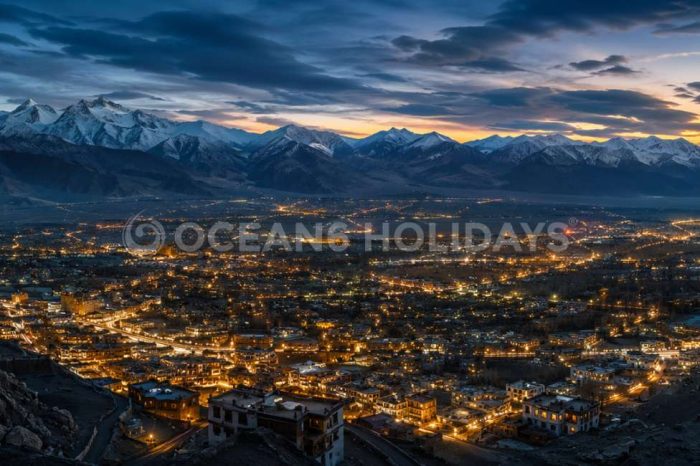
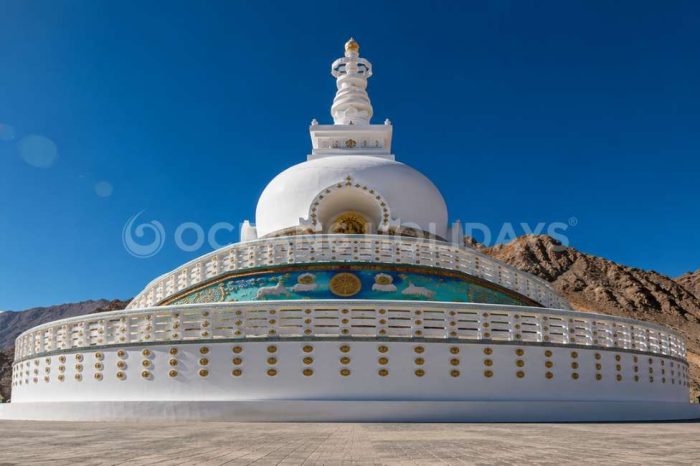
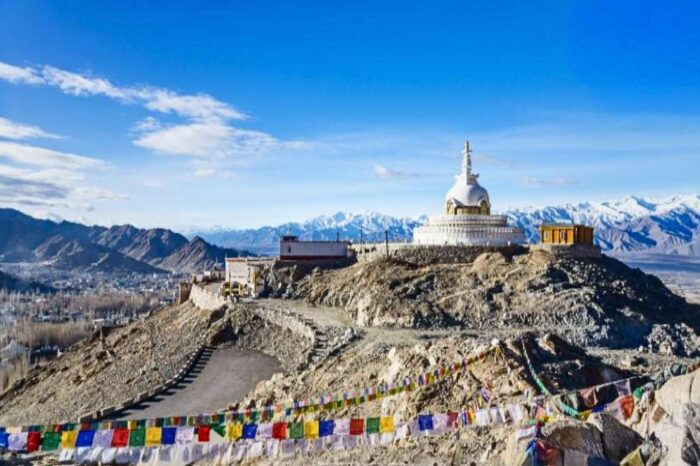
The capital city of Ladakh, Leh sits at 3,524 metres and hits you like a fist of beauty the moment you step off the plane – or, better, the moment your car crests the last mountain pass on the road from Manali or Srinagar. Leh is a high-altitude bazaar town wrapped in history. The Leh Palace on the ridge above the city mirrors the Potala Palace in Lhasa in its nine-storey grandeur. The Leh Market is a vivid tangle of pashmina shawls, Tibetan prayer wheels, dried apricots, and turquoise jewellery. The nearby Shanti Stupa, gleaming white above the city, offers sunsets that make grown travellers cry. Leh is your base, your launch pad, and often your favourite stop – a place where acclimatisation becomes an excuse to linger longer.
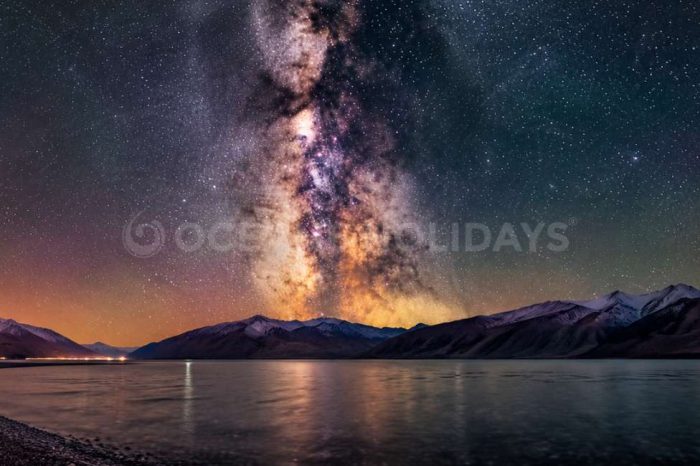
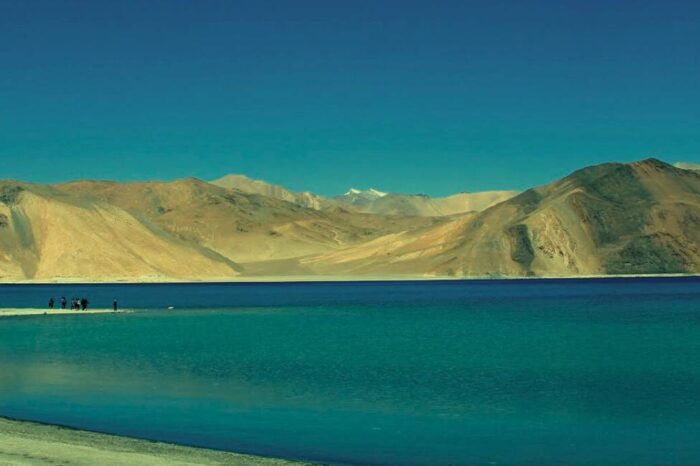
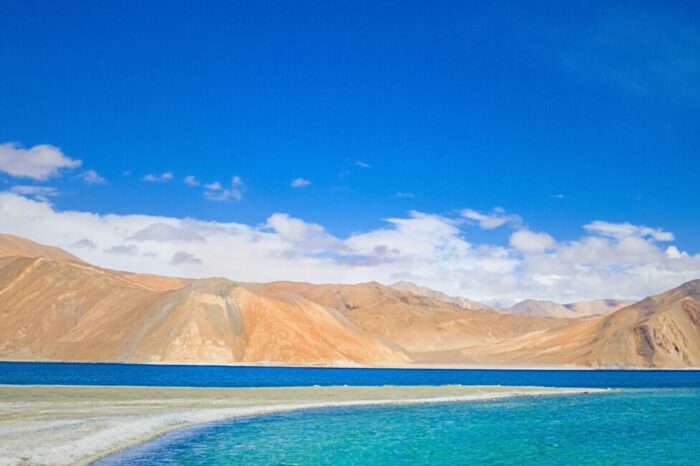
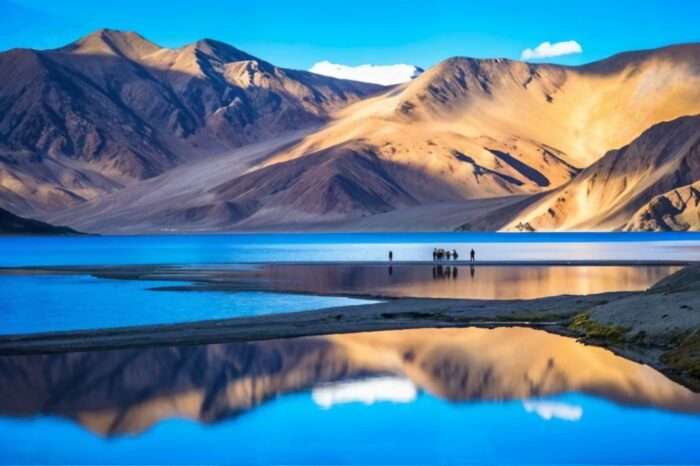
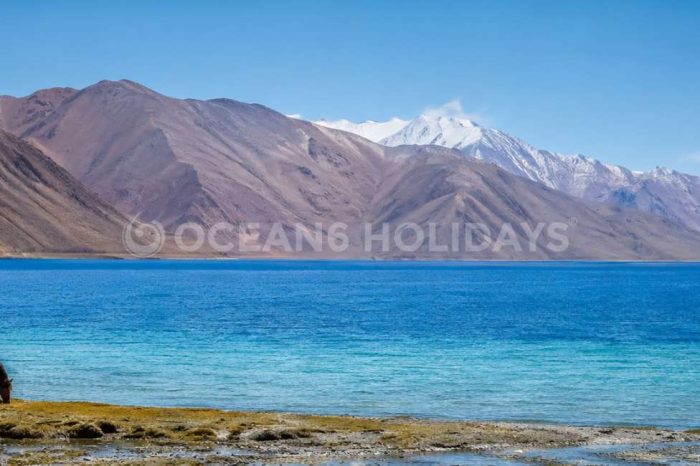
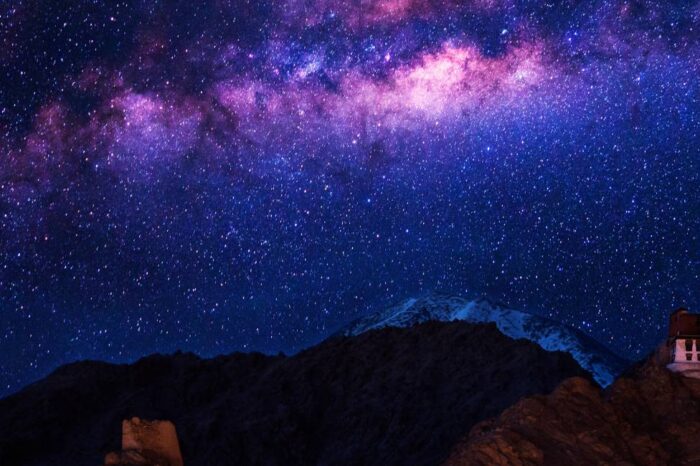
There is no photograph that truly prepares you for Pangong Lake. At 4,350 metres above sea level, this 134-km-long saline lake stretches from the Ladakhi highlands deep into Tibet, and its colour shifts across the day from steel blue to teal to emerald to sapphire, depending on the light. The surrounding landscape is stripped bare – no trees, no grass, just rust-red mountains plunging into this impossible blue. The lakeside camping experience – waking up at 4 AM to silence and stars before the light hits the water – is one of the defining memories of any India journey. Pangong is also where several scenes from the Bollywood blockbuster 3 Idiots were filmed, drawing fans who discover, upon arrival, that reality far exceeds cinema.
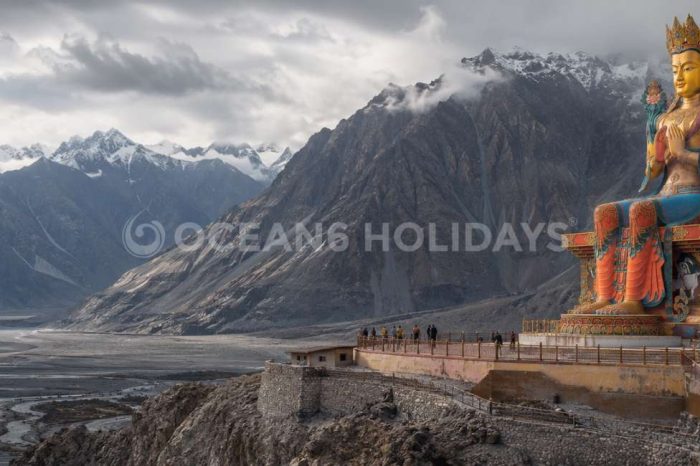
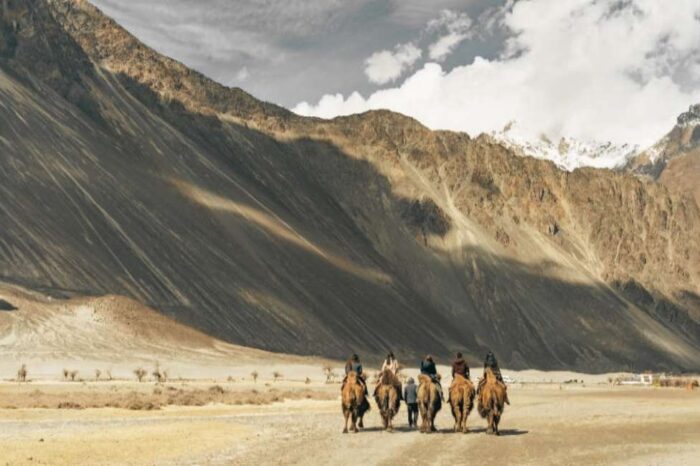
Cross the Khardung La – at 5,359 metres, one of the world’s highest motorable passes – and descend into a world you could not have imagined. Nubra Valley is Ladakh’s great secret: a desert river valley sandwiched between glaciated Himalayan peaks, where double-humped Bactrian camels (survivors of the ancient Silk Route trade) still roam the sand dunes of Hunder, where the Diskit Monastery watches over the valley from a dramatic spur, and where the Shyok and Siachen Rivers merge in a braided, glacial fan of grey and silver. The Maitreya Buddha statue at Diskit – 32 metres tall, golden, gazing serenely across the dunes – is one of the most striking images in all of Indian travel. Nubra is worth every extra kilometre.
Zanskar is Ladakh for people who thought Ladakh wasn’t remote enough. Tucked between the Great Himalayan Range and the Zanskar Range, this valley is accessible by road only from June to October. The rest of the year, the only way in or out is the Chadar Trek – a 105-km journey across the frozen surface of the Zanskar River, undertaken in temperatures as low as -30°C. The Rangdum Monastery, isolated on a volcanic hillock in the middle of the valley, is one of the most otherworldly religious sites in India. The Padum market town serves as the gateway to trekking routes toward Spiti, Kargil, and the Pensi La. Zanskar rewards the committed with solitude, silence, and scenery that has no equal.
Hemis is Ladakh’s holiest and most celebrated monastery – a destination for pilgrims, art historians, and adventurers in equal measure. Hidden in a narrow gorge 45 km southeast of Leh, Hemis Monastery was founded in the 17th century and is associated with the Drukpa Kagyu school of Tibetan Buddhism. Its annual Hemis Festival (June/July) draws visitors from across the world to witness the spectacular Cham mask dance performed by monks in costumes of gold, crimson, and peacock blue. The monastery’s museum houses ancient thangkas, bronze statues, and religious artefacts of extraordinary quality. Hemis National Park, surrounding the monastery, is India’s largest national park and the best place in the world to spot the snow leopard in its natural habitat.
Less visited than Pangong but equally breathtaking – perhaps more so – Tso Moriri is a high-altitude lake sitting at 4,522 metres in the Changthang Plateau near the Tibetan border. Stretching 28 km in length and flanked by the snow-capped Chamser and Lungser peaks, Tso Moriri is a designated Ramsar Wetland of International Importance. It is the only breeding ground in the world for the bar-headed goose and the black-necked crane outside of Tibet. The surrounding Changthang Wildlife Sanctuary is home to kiangs (Tibetan wild ass), Tibetan gazelles, wolves, and the occasional snow leopard. The nomadic Changpa herders, who live in this area and raise the prized Pashmina-producing Changthangi goats, add a living cultural dimension to an already extraordinary landscape. Tso Moriri is proof that Ladakh always has one more wonder waiting.
Often treated as a transit town on the Srinagar-Leh Highway, Kargil deserves more credit than it receives. The second-largest town in Ladakh, Kargil sits at the confluence of the Suru and Wakha rivers at 2,704 metres. It is the gateway to the Suru Valley and to Zanskar beyond. Kargil’s identity in modern Indian consciousness is dominated by the 1999 Kargil War with Pakistan – a conflict fought on some of the world’s highest and most inhospitable battlefields. The Kargil War Memorial at Dras (the second-coldest inhabited place on earth) is a deeply moving monument to the soldiers who fought and fell in temperatures of -60°C. The Mulbekh Chamba, a 9-metre rock-carved statue of the standing Maitreya Buddha dating to the 8th century, is one of Ladakh’s most important and underappreciated historical monuments. Kargil is where history and geography collide at altitude.
Alchi is Ladakh’s quiet miracle. This small village on the banks of the Indus River, 70 km west of Leh, contains the Alchi Monastery Complex – a cluster of temples built between the 10th and 12th centuries that survived the iconoclasm that destroyed Buddhist art across much of Central Asia. The murals inside the Sumtsek and Dukhang temples – intricate, multi-coloured, and covering every surface – are among the finest examples of Kashmiri Buddhist art anywhere in the world. Art historians have called Alchi one of the most important artistic sites in Asia. Despite this, Alchi remains refreshingly uncrowded – a village of apricot orchards and mud-brick houses where the monastery’s caretaker monks still chant at dawn. Alchi is what Ladakh looks like when tourism hasn’t found it yet.
98742 84569
98743 61951
Mon-Sat 11.00AM-07.30PM