This tour guide gives all the insights about everyone’s ‘Kaleidoscopic Kalimpong’
Serene, Spiritual, Spectacular – Kalimpong.
A magical hill town cradled in the folds of the eastern Himalayas, where golden monasteries glow against snow-dusted peaks and orchids bloom wild on terraced hillsides. A land where Tibetan prayer flags flutter in the mountain breeze and Buddhist monks walk ancient cobblestone paths alongside flower vendors and spice traders. Kalimpong embodies the perfect fusion of cultures – Lepcha, Tibetan, Nepali, and Bengali – creating a mystical highland retreat that has witnessed colonial history, held countless secrets of the Silk Route, and nurtured stories waiting to be discovered.
Capital / HQ: Kalimpong (District Headquarters)
Official Language: Nepali, Bengali, English
Dial Code: 03552
Population: 42,981 (Kalimpong town, as of 2011)
Currency: Indian Rupee (INR)
Time Zone: UTC+05:30 (IST)
Area: 1,056 square km (Kalimpong district)
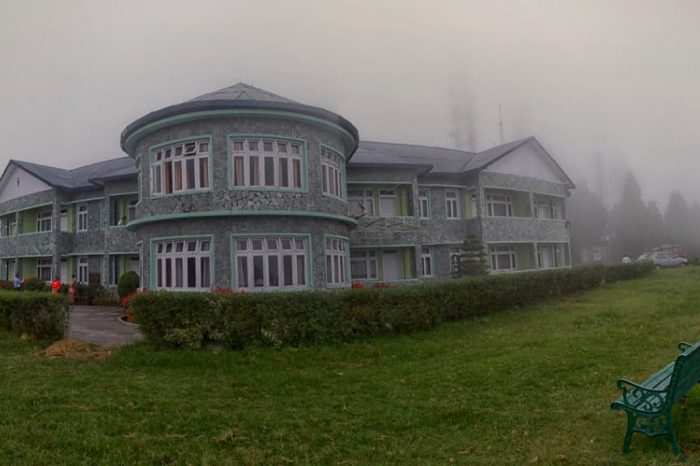
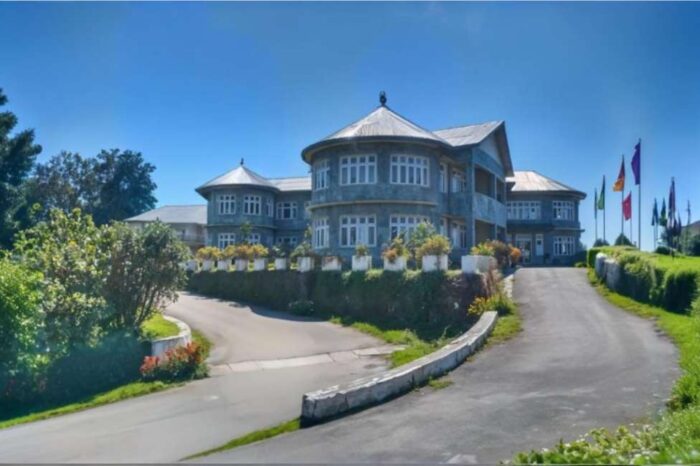
To truly experience the essence of Kalimpong, one must first walk through its layered past. Once a trading hub on the Silk Route between India and Tibet, Kalimpong was a strategic jewel fought over by Bhutan, Sikkim, and the British. The Kalimpong Science Centre at Rinchenpong offers a fascinating window into the town’s intellectual and colonial heritage. The Dr. Graham’s Homes – founded in 1900 by Scottish missionary Dr. John Anderson Graham – is one of the most celebrated educational institutions in the Himalayas and stands as a living monument to Kalimpong’s cosmopolitan history. Morgan House, a colonial bungalow built by a British jute merchant, whispers tales of the Raj with its tudor architecture and panoramic Himalayan views.
Kalimpong is a quiet gallery of architectural diversity – Buddhist monasteries, Christian churches, colonial bungalows, and Tibetan-style dzongs coexist in extraordinary harmony. The Zang Dhok Palri Phodang Monastery, gifted by the King of Bhutan, is a masterpiece of Tibetan Buddhist architecture and houses rare scriptures and thangkas. The Tharpa Choling Monastery, built in 1937 by a Tibetan lama, is one of Kalimpong’s most important centres of Buddhist learning. St. Teresa’s Church, perched on a hillside, is a graceful example of colonial ecclesiastical architecture. Every structure in Kalimpong tells a story of the many hands – Tibetan, British, and Bhutanese – that shaped this mountain town.
Kalimpong’s spiritual landscape is as layered as its mountain terrain. The town is dotted with Buddhist monasteries, Hindu temples, and Christian mission churches, all coexisting in peaceful harmony – a living metaphor of India’s plural heritage. The Mangal Dham Temple, dedicated to Lord Krishna, is an important Hindu pilgrimage site and draws devotees year-round. The Thongsa Gumba (Bhutanese Monastery), established in 1692, is the oldest monastery in Kalimpong and a revered spiritual anchor for the local Bhutanese community. For those seeking quiet contemplation, a visit to the Durpin Dara Hill – site of the Zang Dhok Palri Phodang Monastery – offers unmatched spiritual serenity along with sweeping views of Kanchenjunga.
Kalimpong is a rich cultural crossroads – the meeting point of the Lepcha, Bhutia, Nepali, and Bengali worlds. Its weekly Haat Bazaar (market) is a vibrant mosaic of mountain produce, handwoven woolens, and Tibetan curios that has been running for over a century. Traditional Nepali music, Lepcha folk tales, and Tibetan thangka painting all find their home here. The town is also India’s largest producer of gladiolus and anthurium flowers – an unlikely claim to fame that makes its flower nurseries a must-visit. Don’t leave without tasting the local cuisine: sel roti (crispy Nepali rice donuts), gundruk soup (fermented leafy greens), phagshapa (Bhutanese pork with dried chillies), and the world-famous Darjeeling tea grown on nearby estates.
Kalimpong’s festivals are a joyful collision of cultures, each season bringing its own celebration. Losar (Tibetan New Year), celebrated in February/March, fills the monasteries with masked Cham dances and butter lamp ceremonies. The Kalimpong Flower Festival, held in March-April, is a breathtaking showcase of the town’s floral abundance – orchids, dahlias, and gladioli on full display. During Dasain and Tihar (Nepali festivals equivalent to Dussehra and Diwali), the town erupts in colour, lights, and the sound of dhol drums. Christmas is celebrated with surprising warmth in this hill town, a legacy of its Scottish missionary past.
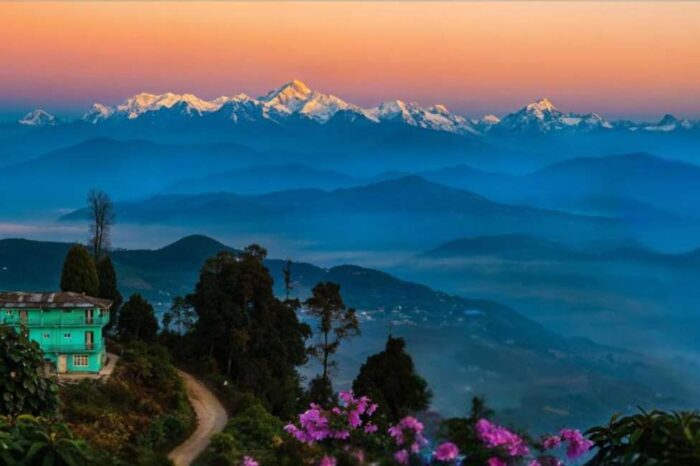
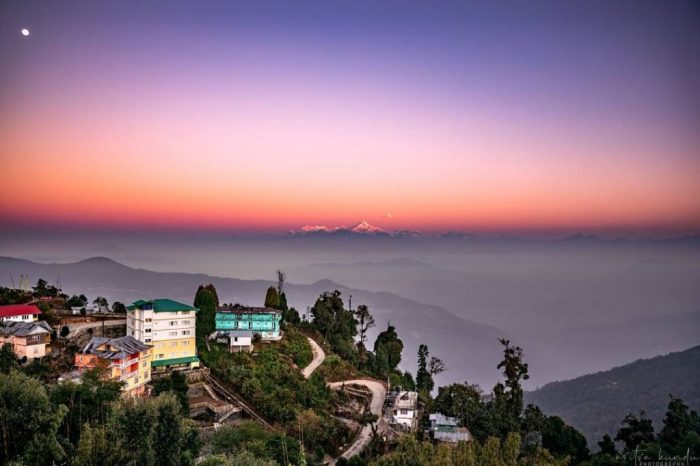
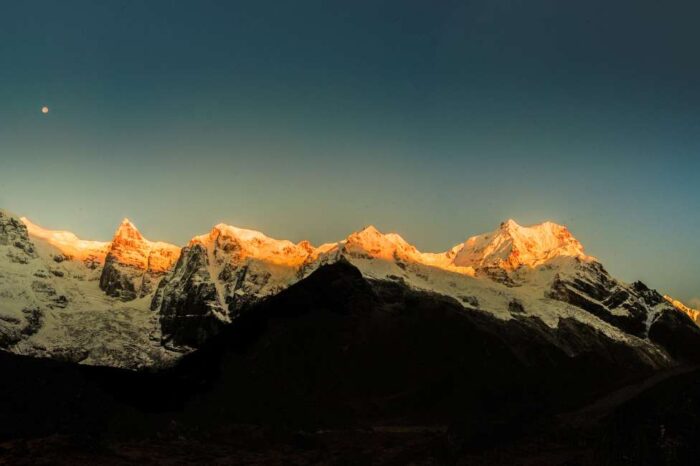
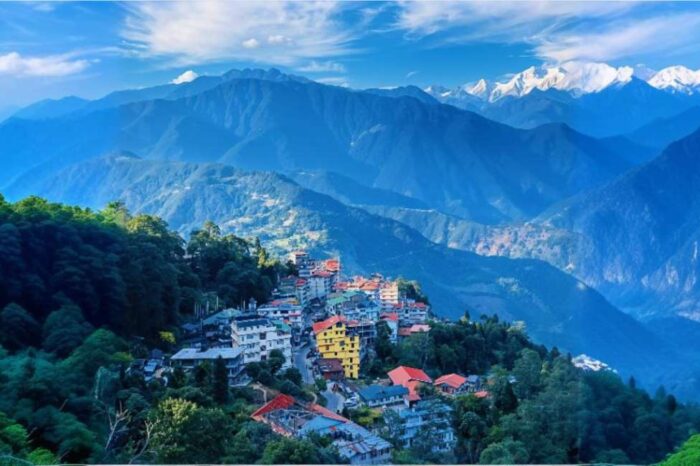
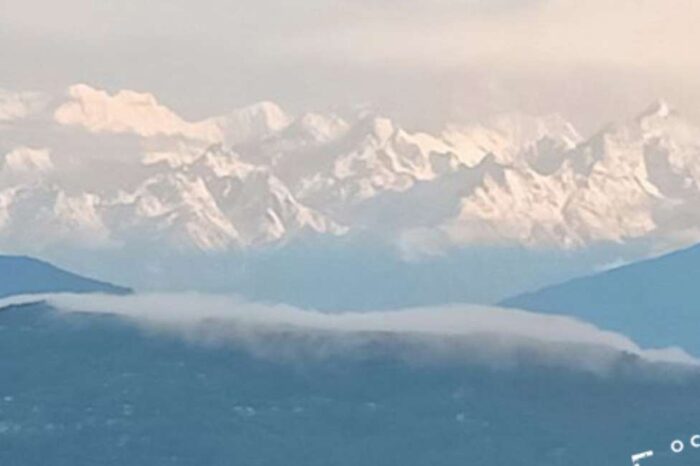
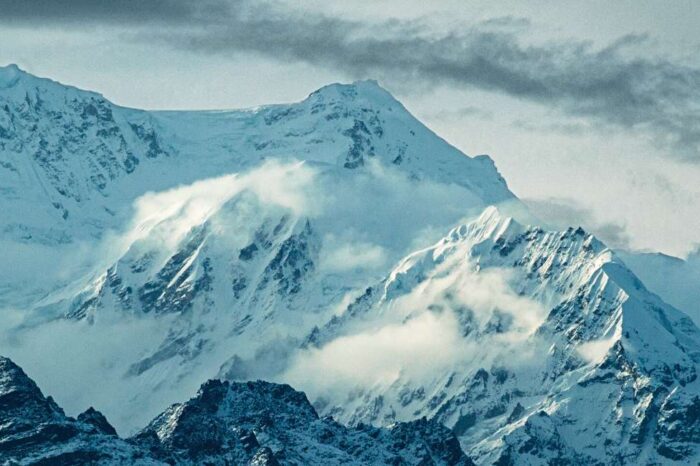
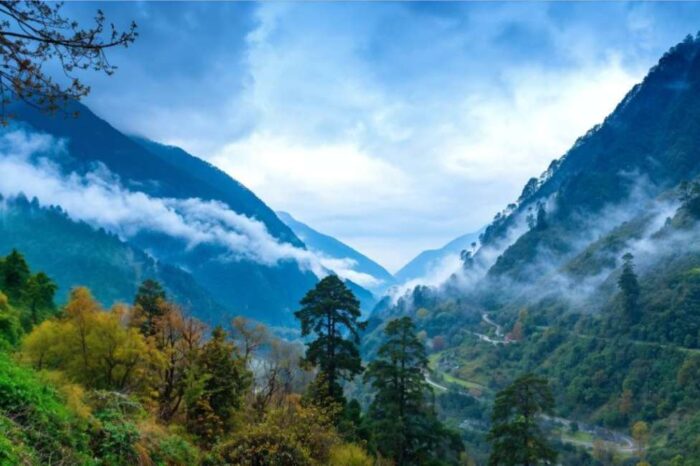
Kalimpong sits at an elevation of 1,250 metres and is embraced by pristine Himalayan forests, river valleys, and mist-draped ridges. The Neora Valley National Park – one of the last remaining habitats of the red panda – is a paradise for wildlife enthusiasts and trekkers. On a clear morning, the Kanchenjunga massif reveals itself in full glory – a sight that stops every first-time visitor dead in their tracks. The Teesta and Relli rivers carve through the valleys below, offering opportunities for river rafting and riverside camping. Birdwatchers flock here for sightings of rare Himalayan species including the Satyr Tragopan, Blood Pheasant, and Rufous-necked Hornbill.
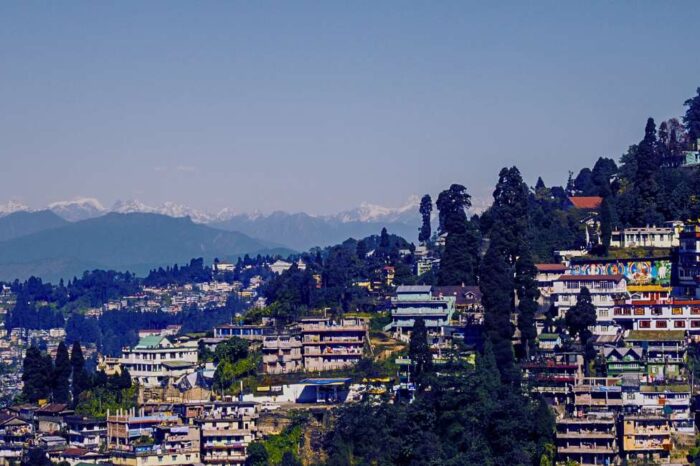
Kalimpong is located in the northeastern state of West Bengal, India, perched in the lower Himalayan ranges at an average elevation of 1,250 metres above sea level. It is nestled between the Relli and Teesta rivers in a valley that opens dramatically toward the Sikkim border. The town is approximately 75 km from Darjeeling, 67 km from Gangtok (Sikkim), and 80 km from Bagdogra Airport – the nearest air hub. It shares borders with Sikkim to the north and east, Bhutan to the northeast, and the Darjeeling district to the west. This strategic Himalayan crossroads has shaped its multicultural identity for centuries, making Kalimpong a destination unlike any other in India.
Kalimpong enjoys a moderate Himalayan climate throughout the year, but each season offers a different personality. Spring (March to May) is the finest time to visit – the hills are draped in blooming rhododendrons, orchids, and cherry blossoms, and the skies are clear enough to see Kanchenjunga in all its glory. Autumn (October to December) is equally spectacular, with crisp mountain air, golden light, and the festive energy of Dasain and Tihar. Monsoon (June to September) is heavy, with landslides possible, but the valley turns an extraordinary shade of green. Winter (December to February) is cold but magical – Kanchenjunga wears a fresh white coat and the monasteries glow with Losar celebrations.
By Road: Kalimpong is well connected by road to all major hill stations and plains cities. National Highway 717A connects it to Siliguri (80 km), which is the major road hub of North Bengal. Shared jeeps, private taxis, and state buses operate regularly between Siliguri, Darjeeling, Gangtok, and Kalimpong. The scenic drive along the Teesta River is one of the most beautiful road journeys in the eastern Himalayas.
By Rail: The nearest major railway station is New Jalpaiguri (NJP), approximately 80 km from Kalimpong. NJP is one of the busiest rail junctions in eastern India, with trains connecting to Kolkata, Delhi, Mumbai, Chennai, and all major Indian cities. From NJP, taxis and shared jeeps cover the remaining mountain road to Kalimpong in approximately 3 hours.
By Flight: Bagdogra Airport (IXB), located about 80 km from Kalimpong, is the nearest airport. It has regular direct flights to Kolkata, Delhi, Mumbai, Bangalore, Hyderabad, and Guwahati. From Bagdogra, pre-paid taxis and shared jeeps reach Kalimpong in approximately 3 hours via a scenic Himalayan highway.
Kalimpong has a rich and complex history shaped by geography, trade, and empire. The town originally belonged to the Kingdom of Sikkim and later came under the control of Bhutan in the 18th century after a series of wars. The British East India Company seized Kalimpong from Bhutan in 1865 following the Duar War, incorporating it into British India as part of the Bengal Presidency. Under British rule, Kalimpong flourished as the principal trading post on the Silk Route between India and Tibet – mules laden with wool, salt, and borax from Tibet would descend through Nathu La and Jelep La passes into Kalimpong’s bustling markets. Scottish missionaries established some of the subcontinent’s finest educational institutions here, including Dr. Graham’s Homes, giving the town an intellectual reputation far beyond its size. After Indian independence in 1947, and especially after the closure of the Indo-Tibetan trade route following the 1962 Sino-Indian war, Kalimpong’s role as a commercial hub diminished. But its natural beauty, cultural depth, and laid-back mountain charm transformed it into one of Northeast India’s most beloved hill retreats.
With its deep-rooted multicultural history, spectacular Himalayan scenery, and the unhurried pace of mountain life, Kalimpong offers travellers a rare blend of peace, culture, and natural wonder. Whether you are exploring its ancient monasteries, trekking through rhododendron forests, or simply sitting on a hillside watching Kanchenjunga turn pink at dawn, Kalimpong promises an experience that stays with you long after you’ve descended back to the plains.
If you want to escape the noise of modern India and reconnect with something ancient and beautiful, Kalimpong is the place to be. The mist-wrapped hills, the smell of cardamom and pine, the sound of monastery bells at dawn, and the warmth of mountain people who carry multiple cultures in their hearts – all of this makes Kalimpong a quietly extraordinary destination. This is not a place that shouts for attention like Shimla or Manali. Kalimpong whispers. And those who listen, never forget what they hear.
The town sits on a ridge like a patient sage – unhurried, layered, and full of surprises. Every turn reveals a nursery of exotic flowers, a crumbling colonial bungalow, a monastery draped in prayer flags, or a bakery selling Tibetan bread beside a shop selling handwoven Lepcha shawls. The sheer cultural density of this small town can leave you wonderfully overwhelmed. The key is to slow down, walk the old lanes, talk to the locals, and let Kalimpong reveal itself to you at its own pace.
The highest point within the Kalimpong municipal area, Delo Hill rises to 1,704 metres and is Kalimpong’s most popular viewpoint. The West Bengal Tourism Development Corporation runs a tourist lodge and eco-park here, making it an accessible yet spectacular escape. On clear mornings, the panoramic view from Delo stretches from the Teesta valley far below to the entire Kanchenjunga range above – a canvas so vast and so crisp that it borders on the unreal. The forests around Delo are thick with oak, rhododendron, and ferns, making it a perfect nature walk. A sunrise visit to Delo is the single most recommended activity in all of Kalimpong.
Neora Valley is Kalimpong district’s crown jewel of biodiversity – and one of the least-visited national parks in India, which is precisely why it is so extraordinary. Spread across 88 square kilometres of dense subtropical and temperate forests, Neora Valley is a refuge for the endangered red panda, clouded leopard, black bear, barking deer, and hundreds of bird species. The park’s dense bamboo forests and rhododendron canopy give it an almost primordial atmosphere. Trekkers can explore trails from Lava to Neora and onward to the Rachela Pass, where on clear days, the Bhutan Himalayas come into view. This is Kalimpong’s answer to Rajasthan’s Ranthambore – wild, raw, and utterly magnificent.
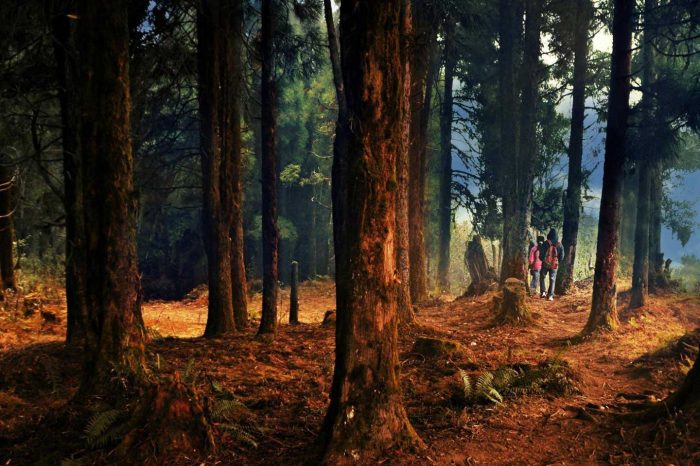
Durpin Dara Hill, at 1,372 metres, is one of the most scenic spots in Kalimpong and home to the celebrated Zang Dhok Palri Phodang Monastery. The monastery was consecrated in 1972 by the Dalai Lama himself and is considered one of the most important repositories of Tibetan Buddhist literature outside of Tibet. The surrounding Durpin forest is quiet, cool, and thick with birdsong. A short walk through the trees leads to a view of the Teesta valley on one side and the full sweep of Kanchenjunga on the other – like standing between two worlds. This is Kalimpong’s most spiritual address.
Located approximately 32 km from Kalimpong, the twin hamlets of Lava and Rishop are where travellers come to disappear. Lava sits at 2,350 metres in the shadow of thick conifer forests and is home to the Kagyu Thekchen Ling Monastery. Rishop, just 4 km further and even quieter, is famous for its unobstructed views of the Kanchenjunga range from the valley floor. These are not places with tourist attractions in the traditional sense – they are places where you sit on a wooden porch with a cup of tea and watch clouds roll over the mountains. If Kalimpong is the whisper, Lava and Rishop are the silence.
Zuluk is not in Kalimpong district but lies in East Sikkim, accessible via Kalimpong as a natural gateway. This remote outpost on the Old Silk Route sits at over 3,000 metres and is one of India’s most dramatic and least-visited destinations. The road to Zuluk winds through 32 hairpin bends on a single mountain face – a spectacle in itself. At the top, the views of the Himalayan range, the valleys of Sikkim, and the distant plains of Bengal stretch to infinity. The ruins of the Old Silk Route trading posts and the Indian Army heritage sites along the route add layers of history to an already extraordinary landscape.
No visit to Kalimpong is complete without spending a morning at the Haat Bazaar – the weekly market that has been the heartbeat of this hill town for over a century. Every Wednesday and Saturday, farmers, traders, monks, schoolchildren, and visitors converge on the market square to buy and sell everything from fresh vegetables and mountain herbs to Tibetan thangkas, handwoven shawls, and smuggled Bhutanese arka. The air smells of dried fish, fresh ginger, cardamom pods, and wood smoke. This is where Kalimpong’s multicultural soul is most visible, most raw, and most alive. Budget a full morning, eat a plate of sel roti with aloo dum from a roadside stall, and simply absorb.
Kalimpong’s identity as the flower capital of the eastern Himalayas is no tourist gimmick – this small hill town supplies over 60% of India’s commercial gladiolus and anthurium flowers. The nurseries of Kalimpong are open to visitors year-round, and a walk through any of the major ones – like Udai Vilas Nursery or Universal Nursery – is a quietly joyful experience. Hundreds of species of orchids, cacti, succulents, ferns, and exotic blooms are nurtured here with extraordinary care. If you are travelling in March or April during the Flower Festival, the entire town transforms into a garden show. This is Kalimpong’s most fragrant secret – and once you’ve seen it, you’ll understand why the locals are so proud.
98742 84569
98743 61951
Mon-Sat 11.00AM-07.30PM