

- Home
- INDIA
- Offbeat India
- International
- Theme Tours
- Handpicked
- Plan Your Trip
Jhargram
Jhargram Tour Packages
3N/4D Jhargram Tour
Forests, Lakes, Waterfalls, Temples, Art & Craft, Heritage Forts & Tribal Villages
Jhargram – A Journey to Bengal’s Forest Kingdom Wild, Whispering, Wonderful – Jhargram. A magical universe of emerald canopies and ancient tribal beats, where vermilion-draped women dance at forest shrines and elephants quietly roam through silver-barked Sal groves. A land […]
Jhargram – A Journey to Bengal’s Forest Kingdom
Wild, Whispering, Wonderful – Jhargram.
A magical universe of emerald canopies and ancient tribal beats, where vermilion-draped women dance at forest shrines and elephants quietly roam through silver-barked Sal groves. A land where crumbling royal palaces stand dignified amid dense jungles, surrounded by sacred ponds and the quiet hum of tribal life. Jhargram embodies the perfect fusion of forests, folklore, and forgotten royalty – a green sanctuary that has witnessed tribal uprisings, heard the whispers of ancient kings, and held countless stories waiting to be discovered beneath its leafy canopy.
Jhargram Tourism: A Quick View of the District
Headquarters: Jhargram Town
Official Language: Bengali
Dial Code: 03221
Population: 1,136,548 (as of 2011)
Currency: Indian Rupee (INR)
Time Zone: UTC+05:30 (IST)
Area: 3,037 square km
Highlights of Jhargram Tourism: Through the Looking Glass
Historical Lens
To truly experience the essence of Jhargram, you must walk through its layered past – a land once known as Jungle Mahal, the “Forest Estate” of Bengal’s frontier. Jhargram’s history is not locked in grand museums but written into its crumbling palaces and age-old tribal settlements. The Jhargram Raj Palace, built by the Malla kings, stands as the district’s most eloquent narrator – its terracotta facades whispering stories of dynasties that ruled these forests for centuries. The Chilkigarh Raj Palace, set amid dense woods beside a tranquil lake, is another unmissable relic – once the hunting lodge of royals, now a haunting reminder of a gilded past. The Dalmadal Cannon, a celebrated piece of artillery history, has its legend rooted in Jhargram’s defiant spirit.
Architectural Lens
Jhargram is not a land of soaring forts or marble minarets – it is subtler, more intimate. Its architecture speaks in terracotta, mud plaster, and carved wood. The Jhargram Raj Palace is the crown jewel – a colonial-meets-Bengali-royal structure housing a heritage hotel today, where guests sleep where kings once reigned. Think of it as a palace that chose the forest as its courtyard. The Chilkigarh Palace, partially in ruins, is perhaps even more dramatic – wrapped in jungle, reflected in its lake, achingly photogenic. Scattered across the district are traditional tribal villages with their distinctive earthen homes decorated with Sohrai and Paitkar art – a living gallery painted on mud walls. The ancient Jhargram Raj Bari temple complex adds a spiritual architectural layer to this green canvas.
Religious Lens
Jhargram’s religious landscape is as diverse as its forests. The Kanak Durga Temple at Chilkigarh is among the most revered shrines in this region – a fierce manifestation of the goddess, worshipped fervently by both tribals and Bengalis alike. The Jhargram Raj Bari Thakur Dalan hosts elaborate Durga Puja celebrations that draw visitors from across the state. At the Jhilimili forest, small tribal shrines to Dharmaraj and Bonbibi – the forest goddess – sit quietly beneath ancient trees, reminding you that here, nature and divinity are one and the same. The Goaltore Shiva temple and various sacred ponds (pukhur) near tribal settlements add to the spiritual tapestry of this land.
Cultural Lens
Jhargram is a patchwork of rich tribal and folk cultures, seamlessly woven together across its forests and villages. The Santhal, Lodha, Munda, Bhumij, and Kora tribes each bring their own music, dance, and traditions to this shared land. The Chhau dance – a UNESCO-recognised masked martial dance form – originates from this very region, where dancers in elaborate painted masks re-enact tales from the Mahabharata and Ramayana with extraordinary athleticism. Paitkar painting, the oldest scroll art tradition in India, is practised by Chitrakars living in nearby villages. Don’t leave without tasting the tribal cuisine – mahua flower preparations, handia (rice beer), pitha (rice cakes), and wild forest produce that define the authentic flavour of Jhargram’s culinary soul.
Festive Lens
Jhargram’s festivals are raw, vibrant, and deeply rooted in nature worship – unlike anything you will witness in urban Bengal. The Tusu Parab, celebrated at the end of the harvest season in Makar Sankranti (January), sees young tribal women float beautifully decorated bamboo boats (tusu) on rivers and ponds at dawn – a sight of breathtaking simplicity. The Bhadu festival celebrates a folk heroine through song and ritual over an entire month. The Sohrai festival, celebrated by Santhal and Munda communities, marks the new harvest with painted homes, cattle worship, and community feasting. For the artsy traveller, watching the Chhau dance performance under a forest canopy during local festivals is an experience that stays with you forever.
Nature’s Lens
Jhargram is where Bengal breathes. The district is covered in dense Sal (Shorea robusta) forests that form one of the largest contiguous Sal belts in India. The forests around Belpahari and Jhilimili are home to elephants, leopards, hyenas, Indian bison (gaur), and over 200 species of birds – making it a quiet paradise for wildlife photographers and naturalists. The Subarnarekha and Kangsabati rivers thread through the landscape, creating river valleys of extraordinary beauty. The Jhargram Eco Park and Kankrajhor forest areas are ideal for trekking, birdwatching, and simply losing yourself in the green silence that this land offers in abundance.
Interesting Facts about Jhargram – Forgotten Fables
- Jhargram was carved out as a separate district from Paschim Medinipur only in 2017, making it one of West Bengal’s newest districts – but its history stretches back over a thousand years.
- The Chhau dance of Jhargram’s neighbouring Purulia-Seraikella belt is recognised by UNESCO as an Intangible Cultural Heritage of Humanity.
- Paitkar painting – believed to be over 3,000 years old – is one of the oldest surviving folk art forms in the world and originates from the tribal communities of this very region.
- The Lodha tribe of Jhargram was once classified by the British as a “Criminal Tribe” – a colonial injustice that was formally repealed only in 1952 after India’s independence.
- The Jhargram Raj Palace is now a functioning heritage hotel run by the West Bengal Tourism Development Corporation – making it one of the rare places where you can sleep in a royal palace surrounded by forest.
- Wild elephants from Jharkhand regularly migrate into Jhargram’s forests – making elephant sightings a genuine (and occasionally dramatic) part of the local experience.
Location of Jhargram
Jhargram is located in the southwestern corner of West Bengal, India, bordering the states of Jharkhand to the north and west and Odisha to the south. The district sits on the eastern fringe of the Chota Nagpur Plateau, where the rocky uplands give way to the dense Sal forests of the Bengal plains. This frontier geography – straddling three states and two ecological zones – has shaped Jhargram’s unique cultural identity for centuries, making it a crossroads of tribal traditions, Bengali culture, and the ancient forest economies of the subcontinent.
Best Time to Visit Jhargram
Jhargram experiences a tropical climate with hot summers and moderate winters. Summers (April to June) can see temperatures climb to 42°C, making outdoor exploration challenging. The monsoon (July to September) transforms the forests into a lush, dramatic green – spectacular to witness but travel can be tricky with muddy forest roads. The best time to visit is from October to March, when the weather is cool and pleasant, forests are alive with wildlife activity, and festivals like Tusu Parab and Chhau performances are in full swing. Winter mornings in the Sal forest, wrapped in mist and birdsong, are genuinely unforgettable.
How to Get to Jhargram
By Road: Jhargram is well connected via NH-49 (formerly NH-6) – the Mumbai-Kolkata highway – passing directly through the district. State-run buses and private taxis run regularly from Kolkata (approx. 165 km), Kharagpur (40 km), and Medinipur. Driving through the forest roads of Jhargram is itself a scenic delight.
By Rail: Jhargram Railway Station is on the busy Howrah-Mumbai main line of South Eastern Railway, ensuring excellent connectivity to Kolkata (Howrah), Kharagpur, and beyond. Multiple express and mail trains stop here daily, making the train the most convenient and scenic way to arrive.
By Flight: The nearest airport is Netaji Subhas Chandra Bose International Airport, Kolkata – approximately 165 km away. From Kolkata, Jhargram is a comfortable 3-hour road or rail journey. For visitors flying from other Indian cities, Kolkata serves as the ideal gateway to Jhargram.
History of Jhargram
Jhargram’s history is ancient, layered, and fiercely independent. The region was historically known as Jungle Mahal – the “forest territories” – a vast frontier zone that resisted outside authority for centuries. Archaeological evidence points to human habitation in this area dating back to the pre-historic period, and the Malla kings of Jhargram ruled these forest territories with relative autonomy through much of the medieval era. The district witnessed the fierce Chuar Rebellion of the late 18th century – one of the earliest uprisings against British colonial expansion in India, led by tribal chiefs and dispossessed zamindars who refused to bow to East India Company authority. Under British rule, Jhargram became part of the Bengal Presidency, its forests exploited for timber while its tribal peoples were systematically marginalised. Post-independence, Jhargram was part of the larger Medinipur and later Paschim Medinipur district before finally being granted its own district identity in April 2017 – a recognition long overdue for this fiercely individual land. Today, Jhargram’s history lives not just in its palaces and textbooks but in the Chhau dances, the Paitkar scrolls, and the proud eyes of its tribal communities.
Jhargram
If you want to escape India’s crowded highways and find something genuinely raw and unhurried, Jhargram is the place to go. The dense Sal forests, the crumbling palaces draped in jungle silence, the tribal villages alive with ancient art forms, the rivers running clear through red-earth gorges – Jhargram is Bengal’s best-kept secret. It is the perfect blend of regal heritage and primal wilderness. When travelling in Jhargram, you will automatically get connected with its spirited tribal culture and the quiet dignity of a land that has always marched to its own drumbeat. The district may be compact, but it is layered – every village hides a story, every forest path leads somewhere unexpected. We hope to give you some substantial insights into the major places and sightseeing options that this remarkable district has to offer.
Places to Visit in Jhargram
Jhargram Town & Raj Palace
The heart of the district, Jhargram town, is a calm, tree-lined settlement that moves at its own unhurried pace. Its crown jewel is the Jhargram Raj Palace – a majestic structure built by the Malla kings that seamlessly blends Bengali royal architecture with colonial influences. The palace is now a functioning heritage hotel run by West Bengal Tourism, where you can actually stay the night and wake up to the sound of birdsong in the palace gardens. The Raj Bari temple complex within the palace grounds hosts spectacular Durga Puja celebrations every autumn. The town also has the Jhargram Museum, a small but evocative collection of tribal artefacts, royal memorabilia, and natural history exhibits that give you a solid grounding before you explore the district.
Belpahari
Indulge in the raw beauty of Bengal’s wildest landscape at Belpahari. If Jhargram is Bengal’s secret, Belpahari is the secret within the secret. This remote forested area in the southwestern corner of the district is where the Chota Nagpur Plateau meets the Bengal plains – a dramatic landscape of forested hills, red-earth paths, small waterfalls, and panoramic valley views. Belpahari is the gateway to some of Jhargram’s most pristine elephant habitat. Trekking through its forests, you will encounter majestic Sal trees hundreds of years old, a stunning variety of wild orchids and ferns, and if fortune favours you, a herd of wild elephants moving silently through the undergrowth. The sunsets over the Belpahari hills, painting the Sal forest in copper and gold, are one of Bengal’s most spectacular natural sights.
Chilkigarh
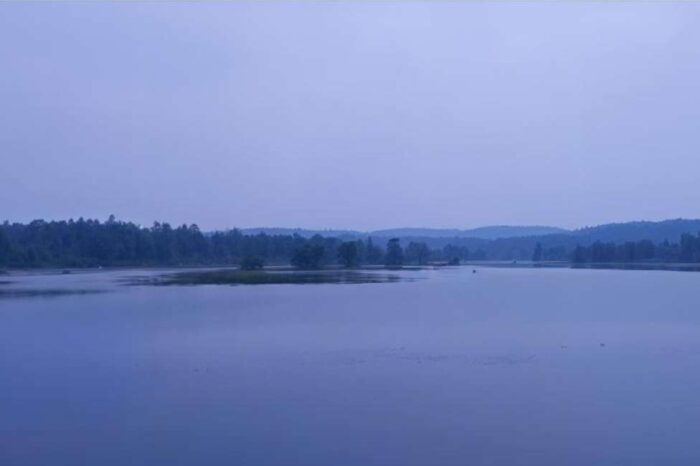
The beautiful and mysterious destination of Chilkigarh is the erstwhile estate of the Chilkigarh Raj family. Set deep within the forest, this is Jhargram’s most atmospheric spot. The Chilkigarh Palace – partially ruined, deeply romantic – sits beside a large, still lake fringed with forest, its reflection shimmering in the water like a mirage. The Kanak Durga Temple adjacent to the palace is one of the most powerful and revered shrines in the region, drawing thousands of devotees during Navratri. Think of Chilkigarh as Jhargram’s answer to a Gothic wilderness retreat – crumbling grandeur, sacred water, ancient trees, and utter silence broken only by the call of kingfishers. Getting here requires navigating narrow forest roads, which is itself half the adventure.
Jhilimili
Time for some green adventure! Jhilimili is Jhargram’s most beloved forest picnic destination and one of the loveliest spots in all of Bengal for nature lovers. Nestled within a dense Sal forest, Jhilimili offers a rare combination of accessible wilderness and quiet charm. The West Bengal Forest Department runs eco-tourism cottages here, making it an ideal overnight stop. Trails through the Sal forest lead to scenic viewpoints, small seasonal streams, and clearings where deer and peacocks are commonly sighted. Jhilimili is particularly magical in early morning – when the forest floor is carpeted with golden Sal leaves, mist lingers between the trunks, and the air smells of damp earth and wildflowers. Bonfires by the forest cottage in winter evenings, listening to tribal folk songs in the distance, complete an experience you will carry home in your heart.
Lodhasuli & Tribal Villages
Lodhasuli and the surrounding tribal villages are where Jhargram’s most authentic human story unfolds. This area is home to the Lodha and Kheria tribes – among the most marginalised indigenous communities in India, who have in recent decades begun reclaiming their dignity and cultural identity with remarkable resilience. A guided village walk here is a lesson in humility and wonder. You will see Paitkar scroll painters at work, creating intricate narrative paintings that are among the oldest living art traditions in the world. You will hear Santhal folk music played on the banam (a single-stringed violin) and the madal drum. Community-based tourism initiatives here allow visitors to eat with tribal families, participate in traditional cooking, and understand a way of life that is as ancient as the forest itself.
Goaltore
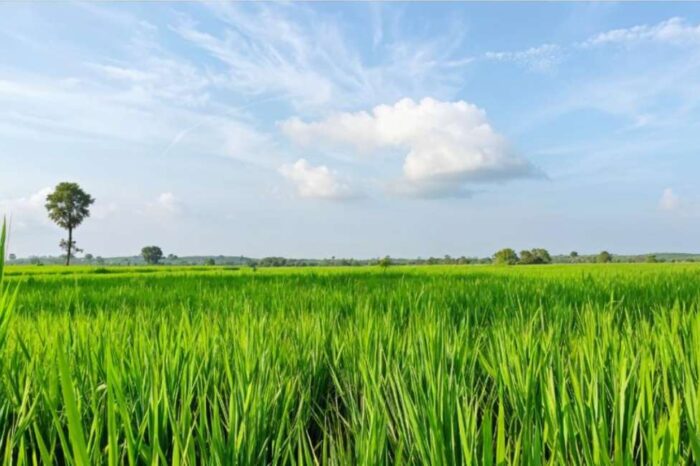
Goaltore is placed in the northern part of Jhargram district, near the confluence of the Silai and Kangsabati rivers. Goaltore is famous in the region for its Shiva temple and its role as a centre of the historic Chuar Rebellion – the late 18th-century tribal uprising against British rule that made these forests ring with resistance. The Kangsabati river at Goaltore is wide, clear, and peaceful – ideal for a quiet afternoon by the water. It is around 50 km from Jhargram town. The area is also known for its hand-woven textiles and traditional pottery. Goaltore is a perfect half-day excursion for those who want to understand the historical backbone of Jhargram beyond its palaces and forests. The fields around Goaltore, golden with paddy during the harvest season, are extraordinarily scenic.
Kankrajhor Forest
Kankrajhor is Jhargram’s answer to the classic jungle safari experience. This reserved forest area, bordering Jharkhand, is one of the most biodiverse patches in the entire Bengal-Jharkhand border zone. It is home to wild elephants, leopards, Indian bison (gaur), sloth bears, pangolins, and an extraordinary variety of reptiles and birds including the Indian Pitta, Crested Serpent Eagle, and various species of hornbill. The Kankrajhor forest beat office organises guided nature walks and jeep trails for wildlife enthusiasts. What makes Kankrajhor special is its complete lack of tourism infrastructure – this is raw, unhurried wilderness. As unbelievable as it sounds for a district just 165 km from Kolkata, here you can walk into a forest at dawn and not encounter another tourist for hours.
Discover Jhargram with Ocean6 Holidays | www.ocean6holidays.com
Experiences
- The 10 Best Japan Festivals for Indian Travellers
 August 24, 2026
 - The Ultimate Japan Travel Guide: 17 Must-Visit Destinations
 August 17, 2026
 - Wine Tourism in India
 June 8, 2026
 - Anini Tour
 June 5, 2026
 - Tamia Hills Tour
 June 4, 2026
Call
98742 84569
98743 61951
Mon-Sat 11.00AM-07.30PMNewsletter
Uncategorized
- Tours in BlogApril 6, 2026
- Tours in Blog
- Required plugin "Meks Easy Photo Feed Widget" is required. Please install the plugin here. or read more detailed instruction about How to setup the plugin here
Connect to Us
Recent Tours
Rate & Review Us
Contact Info
- +91 98742 84569
- experience@ocean6.in
- 16, Suren Tagore Rd, Ekdalia, Ballygunge, Kolkata, West Bengal 700019
- Mon - Sat : 11.00 AM - 7.30 PM
Sunday : CLOSED
Newsletter
Quick Links
