

- Home
- INDIA
- Offbeat India
- International
- Theme Tours
- Handpicked
- Plan Your Trip
Birbhum
Birbhum Tour Packages
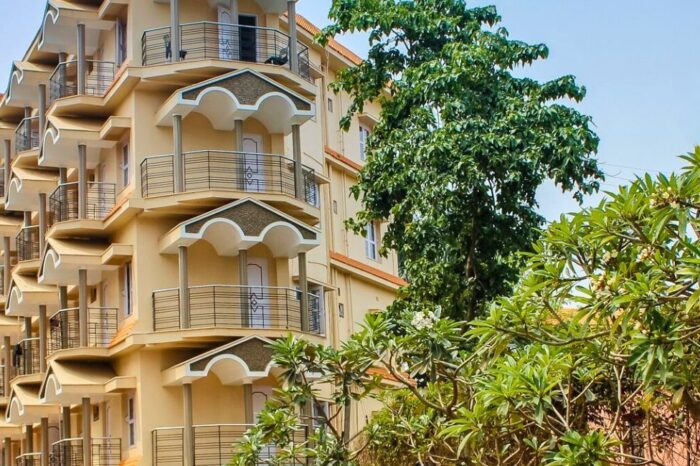
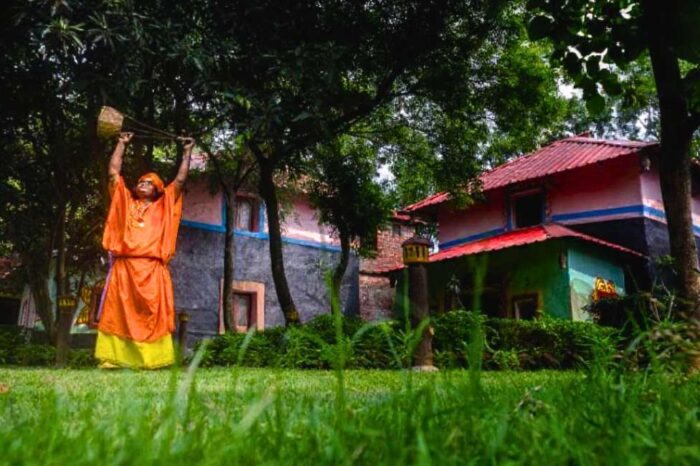
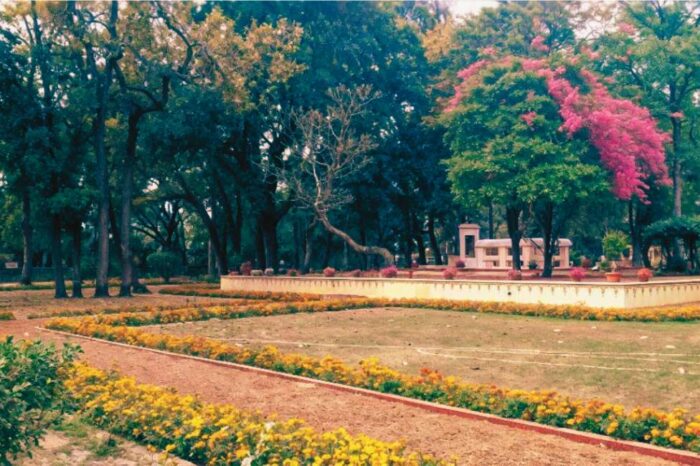
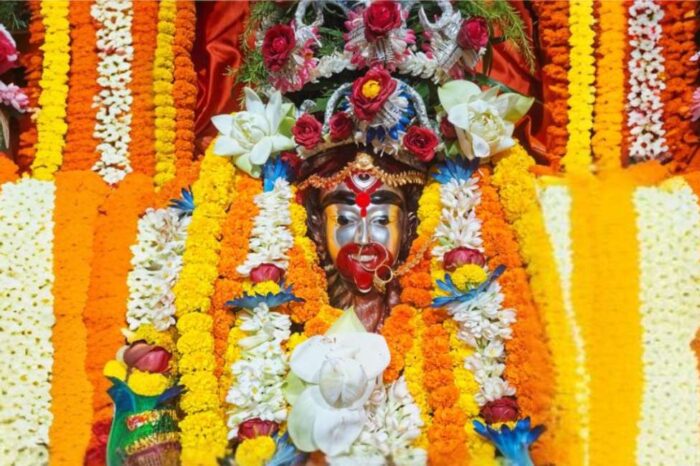
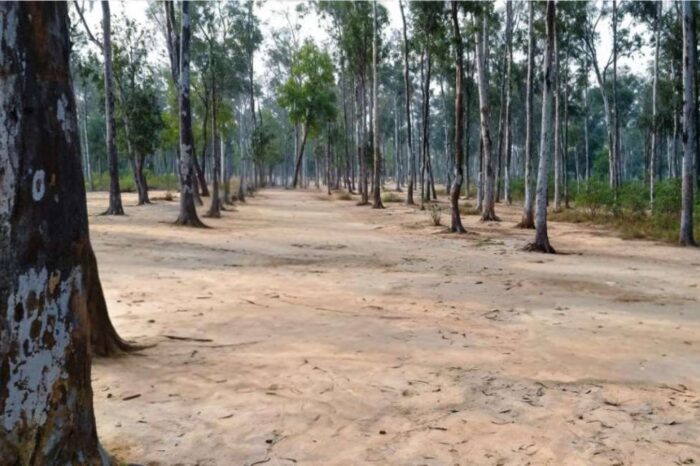
Birbhum – A Journey to the Land of Bauls & Bengal’s Soul Mystical, Musical, Magnificent – Birbhum. A soul that sings before it speaks. Birbhum is not just a district – it is a feeling, a frequency, a folk song […]
Birbhum – A Journey to the Land of Bauls & Bengal’s Soul
Mystical, Musical, Magnificent – Birbhum.
A soul that sings before it speaks. Birbhum is not just a district – it is a feeling, a frequency, a folk song that never ends. Here, on Bengal’s red laterite earth, Rabindranath Tagore built his dream of open-air education under a canopy of trees. Here, mystic Baul minstrels roam freely, strumming ektara strings and singing of the divine within. Birbhum is a land where ancient temples whisper sacred secrets, where hot springs bubble beside crumbling shrines, and where the soul of Bengal beats strongest. From the sanctified ghats of Tarapith to the artistic corridors of Shantiniketan, Birbhum is Bengal distilled – raw, real, and radiant.
Birbhum Tourism: A Quick View of the District
District Headquarters: Suri
Official Language: Bengali
Dial Code: 03462
Population: 3,502,404 (as of 2011)
Currency: Indian Rupee (INR)
Time Zone: UTC+05:30 (IST)
Area: 4,545 square km
Highlights of Birbhum Tourism: Through the Looking Glass
Historical Lens
To truly understand Birbhum, you must trace its footprints through time. The district carries layers of history – from the ancient tribal Santal presence to the Bengal Renaissance that bloomed at Shantiniketan. The Visva-Bharati University archives and Rabindra Bhavana in Bolpur preserve thousands of Tagore’s manuscripts, paintings, and correspondence, offering a window into one of the most creative minds of the 20th century. The Kenduli village in Birbhum is believed to be the birthplace of poet Jayadeva, the 12th-century composer of the immortal Gita Govinda, whose hymns still echo in temples across India. The district also witnessed the fierce Santal Hul Rebellion of 1855 – a landmark uprising of the Santal tribal community against colonial land exploitation – a story of courage etched into the identity of Birbhum forever.
Architectural Lens
Birbhum’s architecture is not loud with grandeur – it whispers in terracotta. The district’s temples are masterworks of Bengal’s terracotta temple tradition, with intricate panels depicting mythological scenes, village life, and hunting stories baked into their brick facades. The Nanur temples near Bolpur and the ancient shrines at Bakreshwar are fine examples of this heritage. Shantiniketan itself is an architectural marvel of a different kind – its open-sided classrooms, colourful mosaic walls, and Amar Kutir craftwork buildings reflect Tagore’s vision of a university that breathes with nature rather than against it. The Uttarayan complex within Shantiniketan – Tagore’s own homes – are museums today, showcasing his eclectic fusion of Bengali, Mughal, and South Asian design influences.
Religious Lens
Birbhum is sacred ground. The district is home to two of the 51 Shakti Peethas – the most revered pilgrimage sites in the Hindu world. Tarapith, on the banks of the Dwarka River, is one of the most powerful and deeply revered tantric shrines in India. Its presiding deity, Goddess Tara – depicted in a form unique to this temple – draws millions of devotees annually seeking her fierce, transformative grace. Bakreshwar is equally sacred – a cluster of hot springs and ancient Shiva temples believed to mark where the eyebrow of Goddess Sati fell, where pilgrims bathe in geothermal waters said to possess healing properties. At Nalhati, the Nalateswari temple draws enormous crowds, while Kenduli’s Radha-Binod temple marks the spiritual ground of Jayadeva. For a district of this size, Birbhum holds an extraordinary concentration of spiritual energy.
Cultural Lens
Birbhum is the heartland of Baul culture – and Baul is not just music, it is a way of life. These wandering mystic minstrels, dressed in patchwork robes and carrying their one-stringed ektara, sing of the divine within the human body (the “moner manush” – the man of the heart). Their philosophy blends Sufi Islam and Vaishnava Hinduism into something entirely their own. Beyond the Bauls, Birbhum thrives on Rabindra Sangeet – the musical legacy of Tagore – and the district’s folk art traditions: Kantha embroidery stitched on old saris, Dokra lost-wax metal casting, and vibrant Santali tribal art that tells stories of forests and rivers. The local cuisine – mustard fish curry, moa (puffed rice sweets with jaggery), patisapta, and the famous Suri mishti doi – completes the cultural portrait of this extraordinary district.
Festive Lens
Birbhum’s festivals are soul-stirring and unlike anything else in India. The Poush Mela at Shantiniketan, held every December around the winter solstice, is a multi-day cultural festival of Rabindra Sangeet, folk performances, crafts, and open-air theatre – a festival Tagore himself began in 1894. The Kenduli Mela, held on Makar Sankranti (mid-January), transforms the village into an open-air stage for thousands of Baul singers who gather on the banks of the Ajay River for days of music and mysticism. There are no stages, no tickets, no amplifiers – just human voices, stringed instruments, and the universe listening. Basanta Utsav, Shantiniketan’s legendary Holi celebration, sees students, faculty, and visitors dressed in white, smearing each other with colours of spring while singing Tagore’s songs – a scene of pure joy that has no parallel in India.
Nature’s Lens
Birbhum’s landscape is painted in red and green – the laterite red soil and the lush forests that punctuate the district. The Masanjore Dam on the Mayurakshi River is a scenic reservoir surrounded by forested hills, offering boating and a peaceful escape from the crowds. The Hinglo and Ajay rivers carve through the district, creating fertile floodplains and birding corridors. The district’s northern fringes edge towards the forests of Jharkhand, where tribal communities co-exist with wildlife. The date palm groves of Birbhum are particularly beautiful at dawn, their silhouettes dramatic against the red-sky mornings – Bengal in its unhurried, unfiltered form.
Interesting Facts about Birbhum – Forgotten Fables
- Rabindranath Tagore won the Nobel Prize for Literature in 1913 for Gitanjali – poems composed and refined at Shantiniketan in Birbhum. He was the first Asian to win the Nobel Prize.
- The Baul music tradition of Birbhum was inscribed on UNESCO’s Representative List of the Intangible Cultural Heritage of Humanity in 2008.
- Tarapith is one of only a handful of tantric temples in India where rituals involving the cremation ground are openly practised – considered among the most powerful of the 51 Shakti Peethas.
- Bakreshwar’s natural hot springs maintain a consistent temperature of over 65°C year-round, heated geothermally from deep below the earth – one of the few such sites in eastern India.
- Shantiniketan means “Abode of Peace” – the name was given by Maharshi Debendranath Tagore, Rabindranath’s father, who originally built a guest house for meditation here in 1863.
- The village of Kenduli is believed to be the birthplace of the 12th-century poet Jayadeva, whose Gita Govinda is one of the most celebrated Sanskrit literary works in history.
- Visva-Bharati University in Shantiniketan was declared a UNESCO World Heritage Site in 2023 – one of only a handful of living universities to receive this honour.
Location of Birbhum
Birbhum is located in the western part of West Bengal, India. It is bordered by Jharkhand to the west, Murshidabad to the north and east, Bardhaman to the east and south, and Bankura to the south. Its strategic position – sitting at the cultural crossroads between the tribal belt of Jharkhand and the fertile plains of the Ganges delta – has shaped its unique blend of tribal, rural, and intellectual cultures. The district headquarters, Suri, sits approximately 200 km north of Kolkata, making Birbhum a manageable yet deeply rewarding journey from the city.
Best Time to Visit Birbhum
Birbhum’s summers can be harsh, with temperatures climbing past 42°C between April and June, making outdoor exploration uncomfortable. The monsoon (July to September) brings lush green landscapes and is particularly beautiful around the Masanjore reservoir, but heavy rains can disrupt travel. The absolute best time to visit is October to March – when the air is cool, the skies are clear, and Birbhum’s most iconic festivals (Poush Mela in December and Kenduli Mela in January) make the experience truly extraordinary. If you can only visit once, plan for mid-December to mid-January to catch both festivals in a single trip.
How to Get to Birbhum
By Road: Birbhum is well connected by road via NH-60 and several state highways. From Kolkata, the drive to Bolpur (gateway to Shantiniketan) is approximately 3.5 to 4 hours via Bardhaman. State buses and private taxis make the journey comfortable. Local autos and cycle-rickshaws are the preferred mode within towns.
By Rail: This is the most popular and scenic way to reach Birbhum. Bolpur-Shantiniketan Railway Station is directly connected to Kolkata’s Howrah and Sealdah stations via multiple daily trains, including the convenient Shantiniketan Express. Suri, Rampurhat, and Nalhati also have railway stations with good connectivity to major cities including Delhi, Mumbai, and Patna.
By Air: Birbhum does not have its own airport. The nearest major airport is Netaji Subhas Chandra Bose International Airport in Kolkata, approximately 165 km from Bolpur. From Kolkata, travellers can take a train (most recommended) or hire a private cab to reach the district.
History of Birbhum
The history of Birbhum is as layered as its red soil. The name “Birbhum” is derived from “Bir” (brave) and “Bhum” (land) – the Land of the Brave – a testament to the fierce warrior clans, including the Bhumij and Bagdi, who once controlled this territory. Archaeological evidence suggests human habitation in the region since prehistoric times. The Santal tribal communities have lived here for millennia, and their culture forms an irreplaceable thread in the district’s social fabric. The region passed through the hands of the Pala dynasty, the Sena kings, the Delhi Sultanate, and finally the Mughals. Under British colonial rule, Birbhum was one of the epicentres of the 1855 Santal Hul Rebellion – a massive armed uprising that changed colonial land policy in Bengal. The Bengal Renaissance of the 19th century found its physical home here, when Debendranath Tagore established the Shantiniketan ashram, later transformed by his son Rabindranath into Visva-Bharati University – an institution that redefined Indian education and put Birbhum on the world map.
Birbhum
If you want to experience Bengal’s soul – untouched, undiluted, and unforgettable – Birbhum is the place to go. The red roads winding through terracotta villages, the sound of the ektara drifting at dusk from a Baul hermitage, the smell of marigolds and incense at Tarapith’s ghats, and the hum of Tagore’s songs at Shantiniketan – these are experiences that do not just visit your memory; they move into it permanently. Birbhum is not loud. It does not announce itself. It quietly rewires you. Unlike many destinations that dazzle on the surface, Birbhum reveals itself slowly, layer by layer, the way a Baul song unfolds – simple at first, then suddenly profound. Come with an open heart, and Birbhum will give you more than a holiday. It will give you a perspective.
Shantiniketan & Bolpur
The most iconic address in Birbhum – and perhaps in all of literary India. Shantiniketan was established by Rabindranath Tagore as a school in 1901 and later grew into Visva-Bharati University, a UNESCO World Heritage Site (2023). Tagore’s revolutionary idea was simple: educate children under the open sky, in harmony with nature, the arts, and community. Today, the campus of Visva-Bharati is a living museum of that vision – students sit under ancient trees for classes, the walls are adorned with mosaics designed by Tagore himself, and the air carries the scent of both books and bougainvillea. Rabindra Bhavana houses Tagore’s manuscripts, artworks, and personal belongings. The Uttarayan complex – five bungalows where Tagore lived and worked – is a pilgrimage site for literature lovers. The nearby Bolpur market is lively with Kantha-stitch textiles, Baul music recordings, and handmade crafts. Shantiniketan is the kind of place where you arrive as a tourist and leave as a student – of life.
Tarapith
Step into the sacred and the sublime. Tarapith, on the banks of the Dwarka River, is one of India’s most powerful and deeply revered tantric temples. The presiding deity, Goddess Tara – depicted in a unique form found nowhere else in the world – draws millions of devotees annually who come seeking her fierce, transformative grace. What sets Tarapith apart is its Maha Smasaan – the large cremation ground beside the temple, where the great tantric saint Bamakhepa (the “mad saint of Tarapith”) lived and practised. Even today, tantric sadhus meditate here through the night. The atmosphere is intense, electric, and unlike anything the average traveller will have experienced. The Dwarka River at dawn, with lamps floating on its surface and the chants of Tara rising in the mist, is a scene that belongs to no guidebook – only to lived memory. Come here with respect, an open mind, and be ready for transformation.
Bakreshwar
Bakreshwar is Birbhum’s hidden spiritual gem. This ancient pilgrimage town, located about 24 km from Suri, holds a double distinction: it is one of the 51 Shakti Peethas (believed to be where the eyebrow of Goddess Sati fell) and it sits above a network of geothermal hot springs that bubble at temperatures exceeding 65°C. The main Bakreshwar temple, dedicated to Lord Shiva as Bakranath, is flanked by smaller shrines and the miraculous Agnikund – a hot spring so powerful it can cook food. Pilgrims bathe in designated cool-water pools fed by the natural springs, believing the waters to have curative properties for skin ailments. The surrounding landscape of low hills and palm groves gives Bakreshwar a quiet, meditative atmosphere far removed from the chaos of larger pilgrimage towns. This is where geology and theology meet – and both demand reverence.
Kenduli
Small in size but enormous in cultural significance, Kenduli is the birthplace of Jayadeva – the 12th-century Sanskrit poet whose Gita Govinda became one of the most celebrated devotional texts in Vaishnava tradition. Every year on Makar Sankranti (mid-January), the village transforms for the Kenduli Mela – one of the most unique festivals in India. Thousands of Baul singers converge from across Bengal and beyond, setting up under the stars on the banks of the Ajay River, singing through the night in a spontaneous, spiralling celebration of mystical music. There are no stages, no tickets, no amplifiers – just human voices, stringed instruments, and the universe listening. The Radha-Binod temple at the heart of the village is the sacred anchor of the Mela. If you visit Birbhum in January, do not miss Kenduli – it is a pilgrimage for the ears and the heart.
Masanjore Dam
For those who seek nature’s company without the noise of crowds, Masanjore Dam – built across the Mayurakshi River – offers a serene escape. The vast reservoir stretches across the Birbhum-Dumka border, surrounded by forested hillocks and tribal villages that seem frozen in time. Boating on the reservoir at sunrise, with mist rising from the water and fishing eagles gliding overhead, is an experience of rare tranquility. Also known as the Canada Dam (named after the Canadian government’s contribution to its construction), it was completed in 1955 and still supplies irrigation and power to the region. The nearby forests are home to jackals, spotted deer, and an abundance of migratory birds during winter. Pack a picnic, rent a boat, and let Masanjore recalibrate your relationship with silence.
Suri
The administrative heart of Birbhum, Suri is a compact town with a colonial-era charm. Its wide streets, old government buildings with red-tile roofs, and the central marketplace give it the feel of a Bengal mofussil town from another era. The Suri Collectorate, built by the British, is an architectural relic worth noticing. The town’s main bazaar is a good place to find authentic local foods – moa (puffed rice balls with jaggery), sondesh, and Birbhum’s famed mishti doi. Suri also serves as the logistics hub for travel to Bakreshwar, Masanjore, and the district’s lesser-known terracotta temple clusters. Do not overlook it in your hurry to reach the famous sights – Suri rewards the curious traveller who lingers.
Nalhati
Nalhati is Birbhum’s northern gateway and home to the Nalateswari temple – another of the 51 Shakti Peethas, where the throat of Goddess Sati is believed to have fallen. The Nalateswari temple draws pilgrims from across Bengal, particularly during Navratri, when the town transforms into a sea of devotion. Nalhati is a busy railway junction, and the town has a vibrant market culture shaped by its geography – sitting at the meeting point of Birbhum, Murshidabad, and Bardhaman districts. For travellers, Nalhati is both a spiritual stopover and a practical transit point for exploring the northern reaches of Birbhum including the Hinglo River valley and its adjacent rural landscapes.
Rampurhat
Rampurhat is the second-largest town in Birbhum and a growing commercial hub. More importantly for travellers, it serves as the key base for visiting Tarapith, located just 10 km away. Rampurhat has the district’s best concentration of hotels and guesthouses, making it the logical overnight stop for devotees and tourists heading to the tantric temple. The town itself has a lively character – its markets, tea stalls, and roadside food vendors offer a window into workaday Bengal that is refreshingly unhurried. The road between Rampurhat and Tarapith passes through villages where clay idols are made, flowers are sold in mountains of saffron and red, and life moves at the rhythm of the Dwarka River. Rampurhat is the supporting actor that makes the Tarapith experience complete.
Ocean6 Holidays | Exploring India, One Soul at a Time
Website: https://ocean6holidays.com
Experiences
- The 10 Best Japan Festivals for Indian Travellers
 August 24, 2026
 - The Ultimate Japan Travel Guide: 17 Must-Visit Destinations
 August 17, 2026
 - Wine Tourism in India
 June 8, 2026
 - Anini Tour
 June 5, 2026
 - Tamia Hills Tour
 June 4, 2026
Call
98742 84569
98743 61951
Mon-Sat 11.00AM-07.30PMNewsletter
Uncategorized
- Tours in BlogApril 6, 2026
- Tours in Blog
- Required plugin "Meks Easy Photo Feed Widget" is required. Please install the plugin here. or read more detailed instruction about How to setup the plugin here
Connect to Us
Recent Tours
Rate & Review Us
Contact Info
- +91 98742 84569
- experience@ocean6.in
- 16, Suren Tagore Rd, Ekdalia, Ballygunge, Kolkata, West Bengal 700019
- Mon - Sat : 11.00 AM - 7.30 PM
Sunday : CLOSED
Newsletter
Quick Links
